Cardiology
Latest news
974 articles · 20 / page

Apolipoprotein C-III Inhibition and the Atherosclerosis Paradox: Lessons from the Essence-TIMI 73b Olezarsen Study
The Essence-TIMI 73b trial reveals that despite a 64% reduction in triglycerides and a 72% drop in remnant cholesterol via olezarsen, non-calcified coronary plaque volume remained unchanged over 12 months.

Timing of Atrial Fibrillation Diagnosis Does Not Alter Early Anticoagulation Benefits in Stroke Patients: Insights from the OPTIMAS Trial
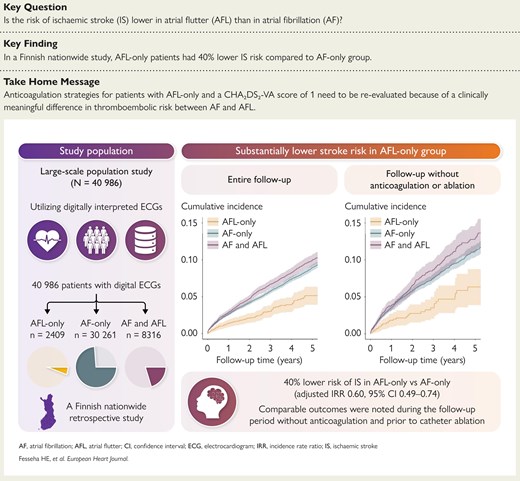
Subgroup analysis of the OPTIMAS trial reveals that neither the timing of atrial fibrillation diagnosis nor AF subtype modifies the treatment effect of early versus delayed direct oral anticoagulant initiation in acute ischemic stroke. Pers

Timing Extubation After Thrombectomy: Evidence from the EDESTROKE Trial and Advanced Post-Reperfusion Management
The EDESTROKE trial finds no significant difference in 90-day functional outcomes between early (

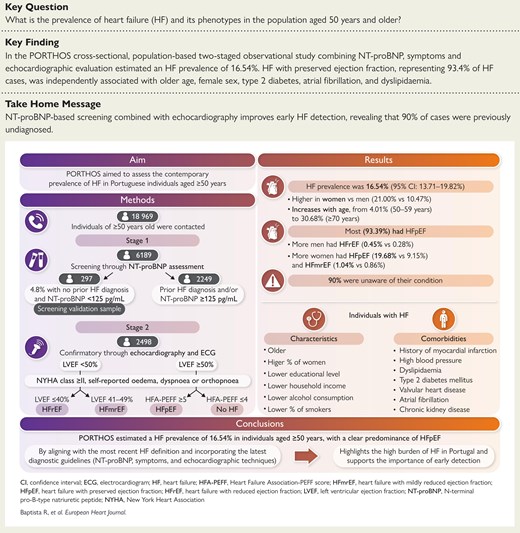
Decoding the Heart Failure Peptidome: A Cross-Sectional Study Uncovers Novel Biomarkers and Patient Clusters
A groundbreaking mass spectrometry study analyzing 486 heart failure patients and 98 controls identified over 21,000 unique peptides, revealing 1,924 differentially expressed peptides. The research highlights angiotensin-related peptides, n

Only 1 in 5 Veterans with Heart Failure Achieve Recommended Quadruple Therapy Within 3 Years—What This Means for Clinical Practice
A large retrospective study of 52,850 veterans reveals that just 21.2% achieve guideline-directed quadruple therapy for HFrEF, with a median time of 197 days. Socioeconomic barriers, including prescription copays, emerge as critical modifia

Pulsed Field Ablation Matches Radiofrequency in Efficacy but Shows Superior Safety Profile for Paroxysmal Atrial Fibrillation: BEAT PAROX-AF Trial
The BEAT PAROX-AF trial demonstrates equivalent single-procedure success rates between pulsed field ablation (77.2%) and radiofrequency ablation (77.6%) for paroxysmal atrial fibrillation, while showing a numerically lower safety event rate

Redefining the Renin-Aldosterone Axis: From Categorical Diagnosis to a Continuous Spectrum of Cardiorenal Risk
This article synthesizes evidence from a 2026 Danish nationwide cohort and supporting literature, illustrating that renin-independent aldosterone production represents a continuous risk gradient for kidney failure and MACE, even below tradi

Adaptive AI Transforms Cardiovascular Event Adjudication: New Algorithm Achieves Near-Human Accuracy Across Multiple Endpoints
Researchers developed and validated ADAPT-CEC, an artificial intelligence algorithm that can adjudicate cardiovascular events across different trial definitions. A hybrid approach combining AI with selective human review achieved 95.6% accu

Volume Matters: New Study Defines Minimum Annual Caseload for Safer Fenestrated and Branched Aortic Repair
Researchers identify critical hospital and surgeon volume thresholds for fenestrated/branched endovascular aortic repair (F/BEVAR). Patients treated at low-volume centers face up to 51% higher 30-day mortality, with inflection points at 9 h

Precision Phenotyping in Cardiometabolic Medicine: Genetic Susceptibility of Diabetes Subtypes and Coronary Artery Disease Risk
This review synthesizes evidence on the genetic architecture of adult-onset diabetes subtypes, highlighting that Moderate Obesity-related Diabetes (MOD) is uniquely and causally linked to coronary artery disease risk through polygenic and M

STEMI and NSTEMI Are Not the Same in Type 1 Diabetes: Finnish Cohort Reveals Distinct Risk Patterns
In Finnish adults with type 1 diabetes, STEMI and NSTEMI showed distinct incidence trends and risk profiles. NSTEMI was more common overall and linked to dyslipidemia and advanced microvascular disease, whereas impaired eGFR tracked more wi

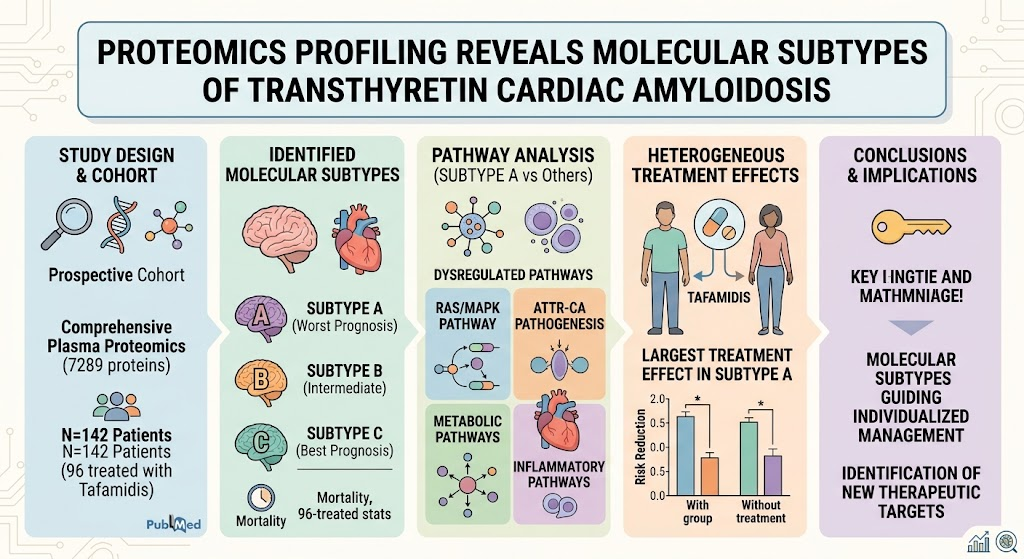
Long-Term Durability and Clinical Stability of Acoramidis in Transthyretin Amyloid Cardiomyopathy: A 54-Month Synthesis
This review synthesizes the 54-month results of the ATTRibute-CM open-label extension, demonstrating that early and continuous acoramidis treatment provides sustained reductions in mortality and cardiovascular hospitalizations while maintai

Cardiologist Evaluation After Postoperative Myocardial Injury Was Linked to Better 1-Year Outcomes
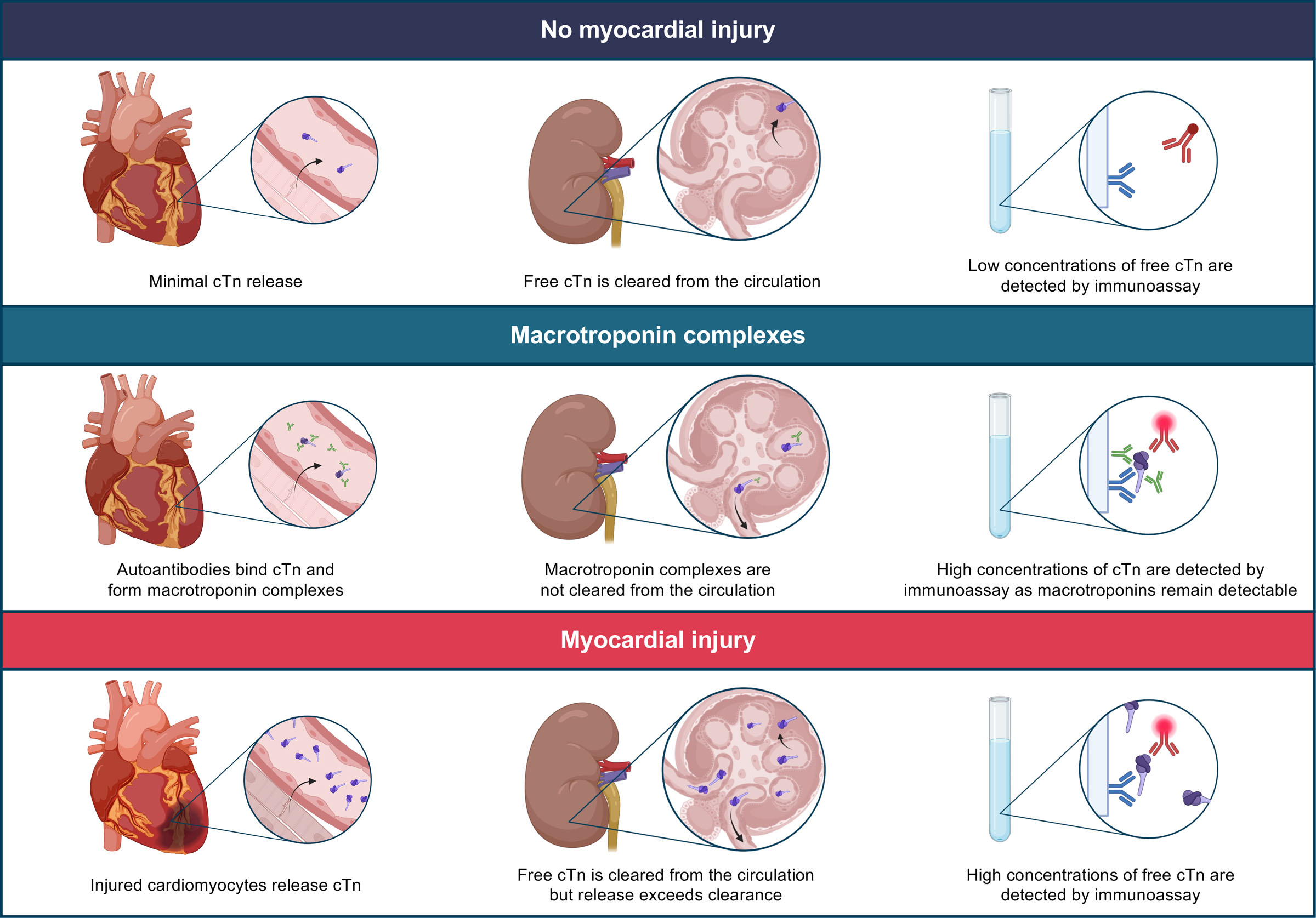
Post-operative cardiologist evaluation after peri-operative myocardial injury was associated with fewer major cardiac events and lower 1-year mortality in high-risk non-cardiac surgery patients.

Optimizing Post-Operative Outcomes: The Critical Impact of Specialist Cardiology Evaluation in Peri-operative Myocardial Infarction and Injury
This review analyzes evidence demonstrating that cardiologist evaluation for peri-operative myocardial infarction/injury (PMI) significantly reduces 1-year major adverse cardiac events and all-cause mortality through optimized diagnostic an

IVUS Guidance Slashes 1-Year Target Vessel Failure in Complex Bifurcation PCI: Insights from DKCRUSH VIII
The DKCRUSH VIII trial demonstrates that IVUS-guided PCI for complex coronary bifurcation lesions significantly reduces 1-year target vessel failure compared to angiography guidance, primarily by ensuring adherence to specific optimization

Mid-Regional Pro-Adrenomedullin (MR-proADM): A Superior Prognostic Sentinel in Transthyretin Cardiac Amyloidosis
This review synthesizes recent evidence identifying MR-proADM as a premier prognostic biomarker in ATTR-CM, demonstrating its ability to outperform traditional natriuretic peptides and enhance existing clinical staging systems.

Beyond the Backpressure: Targeting the Integrin αV-YAP-CTGF Axis to Halt Fibrosis in Congestive Hepatopathy
This study identifies the integrin αV-YAP-CTGF axis in liver sinusoidal endothelial cells as a primary driver of fibrosis and carcinogenesis in congestive hepatopathy. By targeting this mechanosensitive pathway, researchers demonstrated a s

Advancing Venous Thromboembolism Prediction: Insights from Large-Scale Plasma Proteomics and Mendelian Randomization
This review synthesizes findings from a landmark proteomic study identifying 23 plasma proteins associated with VTE risk, highlighting novel pathways in immunity and vascular senescence while exploring causal links through Mendelian Randomi

Beyond the Clot: Novel Proteomic Markers Reveal New Pathophysiological Pathways for Venous Thromboembolism
A large-scale proteomic meta-analysis across five cohorts identified 15 novel plasma protein markers for venous thromboembolism, highlighting the roles of the extracellular matrix, immunity, and vascular senescence in disease risk and offer

Synergistic Risk Assessment: Coronary Artery Calcium Scoring Remains Vital in Patients with Elevated Lipoprotein(a)
A large-scale multicohort study demonstrates that while elevated Lipoprotein(a) increases cardiovascular risk, Coronary Artery Calcium (CAC) scoring remains a powerful independent predictor of events, even in patients with high Lp(a) levels
Browse by specialty
Open language-specific specialty feeds and department pages.