Neurology
Latest news
579 articles · 20 / page

Wider Cranial Arteries, Not Atherosclerotic Stenosis, Track With Lacunar Stroke and Cerebral Small-Vessel Disease
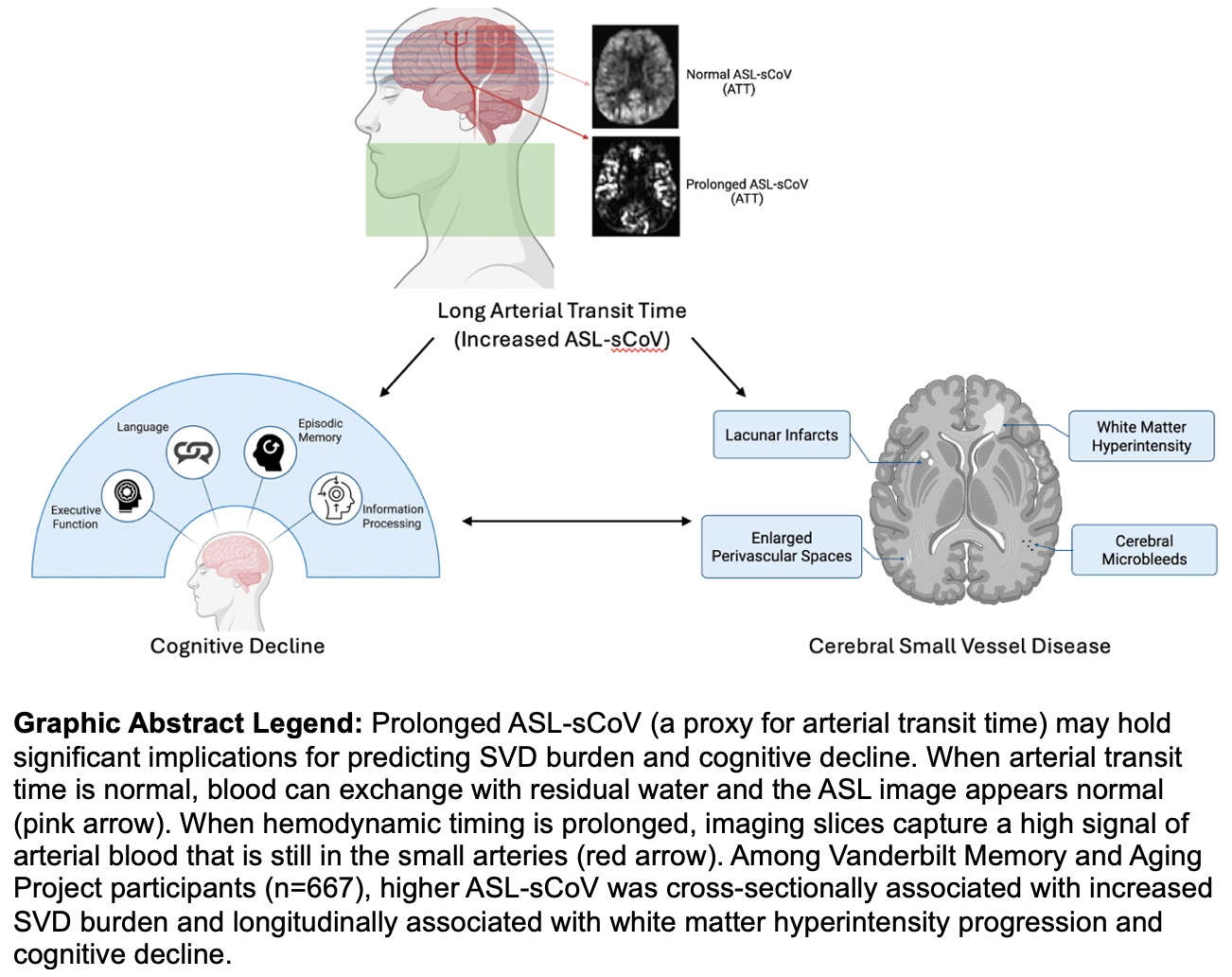
In a prospective mild stroke cohort, cranial arterial dolichoectasia and larger intracranial arterial diameters were linked to lacunar stroke, cSVD burden, and incident infarcts, whereas large-artery stenosis was not.

Education and Neighborhood Resources Explain Much of the Racial and Ethnic Gap in Timely Dementia Diagnosis
Among older U.S. adults with dementia, non-Hispanic Black and Hispanic individuals were significantly less likely than non-Hispanic White individuals to receive a timely diagnosis, with education and neighborhood affluence explaining much o

Pregnancy Outcomes Among Individuals With Cerebral Palsy: A Population-Based Cohort Study
Canadian research reveals individuals with cerebral palsy face significantly higher risks of severe maternal complications, preterm birth, and neonatal issues during pregnancy, highlighting the need for specialized perinatal care.

Pediatric Ischemic Stroke in Switzerland Is Still Diagnosed Too Late for Reperfusion in Most Cases
A 24-year Swiss registry study shows modest improvement in pediatric stroke recognition, but most children are still diagnosed beyond thrombolysis and thrombectomy windows.

Status Epilepticus Mortality in U.S. Adults Is Rising, With the Highest Burden in Older Adults, Men, Non-Hispanic Black Populations, and the South
A U.S. mortality analysis from 1999 to 2020 found increasing deaths from status epilepticus after 2007, with marked disparities by age, sex, race/ethnicity, and region.

First-Time Seizure Is Linked to a Markedly Increased Short-Term Risk of Occult Cancer
A nationwide Danish cohort study found that adults with a first-time seizure had substantially elevated 1-year risks of neurological and nonneurological cancers, with smaller but persistent excess risk over longer follow-up.

Combined Nicotinamide Riboside and Home-Based Exercise Improved Peak VO2 Safely in Friedreich’s Ataxia
In a phase 2 factorial trial, 12 weeks of nicotinamide riboside plus individualized exercise improved cardiopulmonary fitness in Friedreich’s ataxia, with mild-to-moderate adverse events and no signal of major safety concerns.

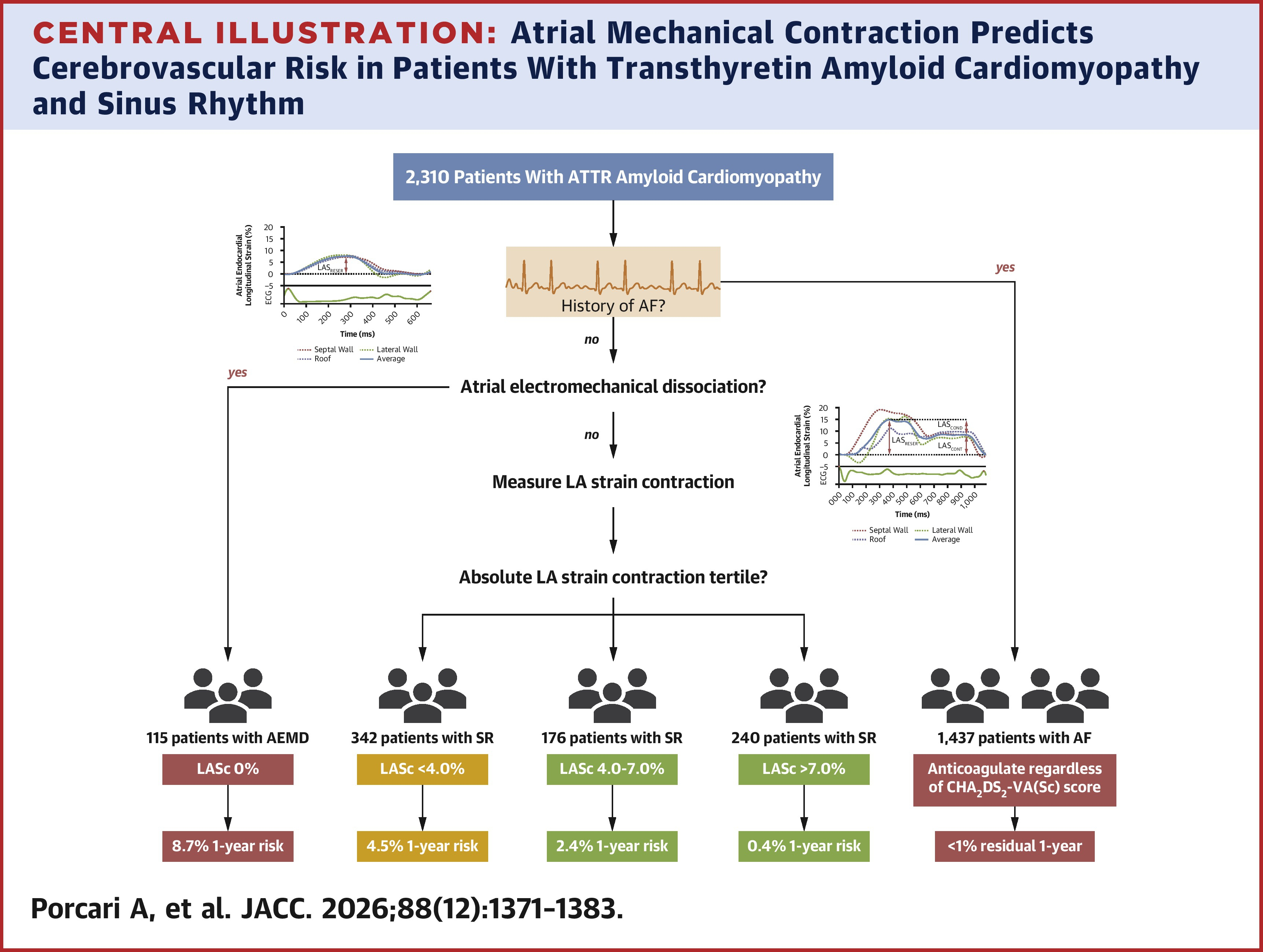
Late-Life Stroke in ARIC Was More Often Embolic, and Atrial Disease Explained Much of the Risk
In ARIC, ischemic stroke at age 80 years or older was more often embolic than thrombotic. Atrial fibrillation and left atrial disease explained much of the age effect, and adding embolic factors improved prediction.

Commercially Insured Patients Wait a Median of 25 Days for New Neurology Care, with Regional and Plan-Based Differences
Among 114,034 commercially insured patients, the median time to a new neurology visit was 25 days. Waits varied by sex, diagnosis, region, and plan type, while neurologist density showed no association with access.

Neurofilament Light Chain Reveals Rapid Neuroaxonal Injury in New-Onset Refractory Status Epilepticus
In a multinational cross-sectional study, serum and CSF neurofilament light chain—unlike S100B—tracked severe acute brain injury in cryptogenic NORSE, rose rapidly over the first 3 weeks, and predicted poor short-term outcome, supporting ur

Intracranial Hemorrhage Patterns and Outcomes in Minor Stroke: Insights from the TEMPO-2 Trial
Secondary analysis of TEMPO-2 trial data reveals intracranial hemorrhage in minor stroke patients increases 90-day mortality risk threefold, with higher hemorrhage rates in tenecteplase-treated patients despite most bleeds being non-symptom

Superior Efficacy of Cenobamate in Drug-Resistant Focal Epilepsy: Real-World Evidence
This article reviews a large real-world study demonstrating cenobamate’s superior effectiveness over brivaracetam, lacosamide, and perampanel in reducing seizures for adults with drug-resistant focal epilepsy.

Women’s Elevated P-Tau217 Levels and Faster Cognitive Decline: Implications for Preclinical Alzheimer’s Disease
Women with high amyloid-β show higher p-tau217 levels and faster tau accumulation than men, leading to greater cognitive decline. This sex-specific tau response may redefine preclinical Alzheimer’s diagnostics and therapeutics.

Sex-Specific Differences in P-Tau217 and Tau Aggregation: Implications for Preclinical Alzheimer’s Disease
Women exhibit higher plasma p-tau217 levels and tau aggregation than men in amyloid-positive individuals, suggesting sex-specific pathways in Alzheimer’s disease progression.

Amlenetug Shows Potential in Slowing MSA Progression Despite Phase 2 Trial Missing Primary Endpoint
The phase 2 AMULET trial evaluated amlenetug, an anti-α-synuclein monoclonal antibody, in MSA patients. While it did not meet its primary endpoint, the antibody showed a non-significant 19% slowing of disease progression with an acceptable

Stroke Disability and Mortality Post-ED Discharge for Dizziness: Rare but Clinically Significant
A retrospective cohort study reveals that stroke-related disability or mortality after ED discharge for dizziness is rare (0.04% incidence), with most lesions occurring in the anterior fossa. Findings underscore the need for targeted risk s

EVT Shows Superior Outcomes in Anterior Cerebral Artery Occlusion Stroke: Insights from the ORIENTAL-MeVO Registry
Endovascular thrombectomy (EVT) significantly improves 90-day functional outcomes in acute anterior cerebral artery occlusion stroke compared to standard medical management, without increasing hemorrhage or mortality risks, per the ORIENTAL

Optimal Sleep Duration Mitigates Cognitive Decline and Dementia Risk in Focal Epilepsy: Insights from the UK Biobank Study
A UK Biobank study reveals that optimal sleep (6-8 hours) improves executive function and reduces dementia risk in focal epilepsy patients, with effects surpassing those in stroke patients. Nonoptimal sleep exacerbates cognitive deficits up

Dementia Screening for Family Members: No Clear Benefit or Harm Found in Landmark Trial
A randomized clinical trial found that dementia screening for family members of older adults did not improve quality of life or caregiver preparedness, nor did it increase depression or anxiety.

Proximal Hypoglossal Nerve Stimulation Shows Promise for Moderate-to-Severe OSA in Landmark OSPREY Trial
A recent randomized controlled trial demonstrates that proximal hypoglossal nerve stimulation significantly improves obstructive sleep apnea symptoms in patients intolerant to positive airway pressure therapy.
Browse by specialty
Open language-specific specialty feeds and department pages.