Gastroenterology
Latest news
363 articles · 20 / page

Alpha-1-Antitrypsin Emerges as a Potential Salvage Option for Steroid- and Ruxolitinib-Refractory Gastrointestinal Acute GVHD
A 2026 single-center retrospective study suggests alpha-1-antitrypsin may offer favorable safety and encouraging activity in heavily pretreated gastrointestinal acute GVHD, though detailed outcome data and external validation remain essenti

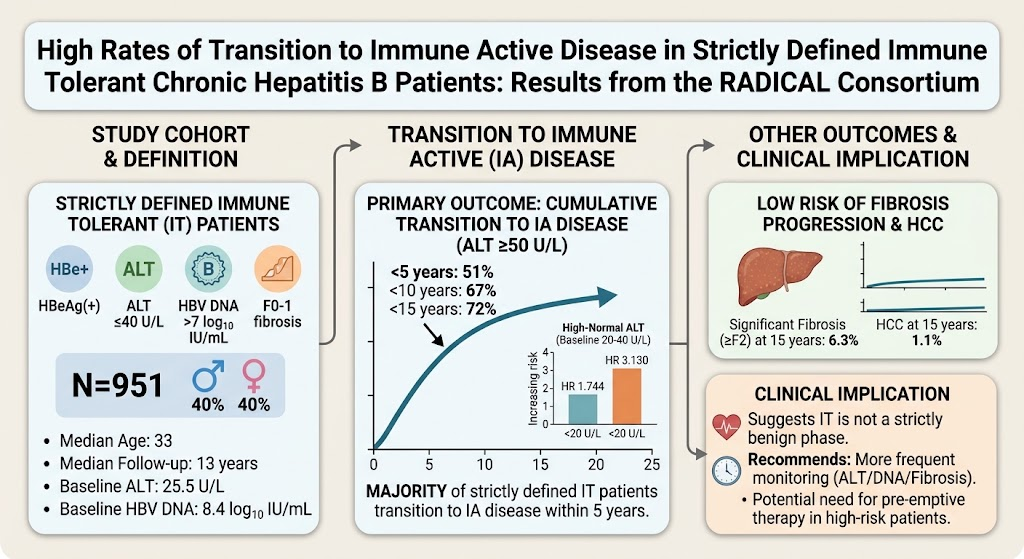
Pairing HDV RNA With Anti-HDV Levels May Sharpen Staging and Treatment Monitoring in HBV/HDV Coinfection
In HBsAg-positive, anti-HDV-positive patients, combined measurement of HDV RNA and anti-HDV titers distinguished inactive from active disease and tracked interferon response more effectively than either marker alone.

AI Radiomics Detects Visually Occult Pancreatic Cancer on CT Nearly 16 Months Before Diagnosis and Outperforms Radiologists
A multi-institutional AI model identified pre-diagnostic pancreatic cancer on routine CT with meaningful lead time, higher sensitivity than radiologists, longitudinal stability, and externally validated specificity in a low-prevalence setti

Cancer Risk in Familial Adenomatous Polyposis Remains Broad Despite Preventive Surgery: Dutch Nationwide Data Highlight Rising Gastric Cancer Burden
A nationwide Dutch cohort confirms that patients with FAP remain at markedly elevated risk for multiple gastrointestinal and extraintestinal cancers, with gastric cancer emerging as the most frequently diagnosed malignancy since 2020.

Reversal of Roux-en-Y Gastric Bypass: A Swedish National Cohort Study
This nationwide Swedish study reveals that RYGB reversal is rare (0.3% of procedures) but effective for complications like abdominal pain and hypoglycemia. While 86% reported symptom improvement, significant complication risks require caref

HSP72-PRDX6 Control of PINK1 Ubiquitination Emerges as a New Mitophagy Axis in MASLD
A new Hepatology study identifies an HSP72–PRDX6 pathway that restores PINK1/Parkin mitophagy, reduces hepatic steatosis, and worsens MASLD when disrupted in mice and hepatocytes.

Uncoupling Metabolic Reprogramming in Hepatocellular Carcinoma: The JOSD1-PGAM1 Ubiquitination-Lactylation Switch
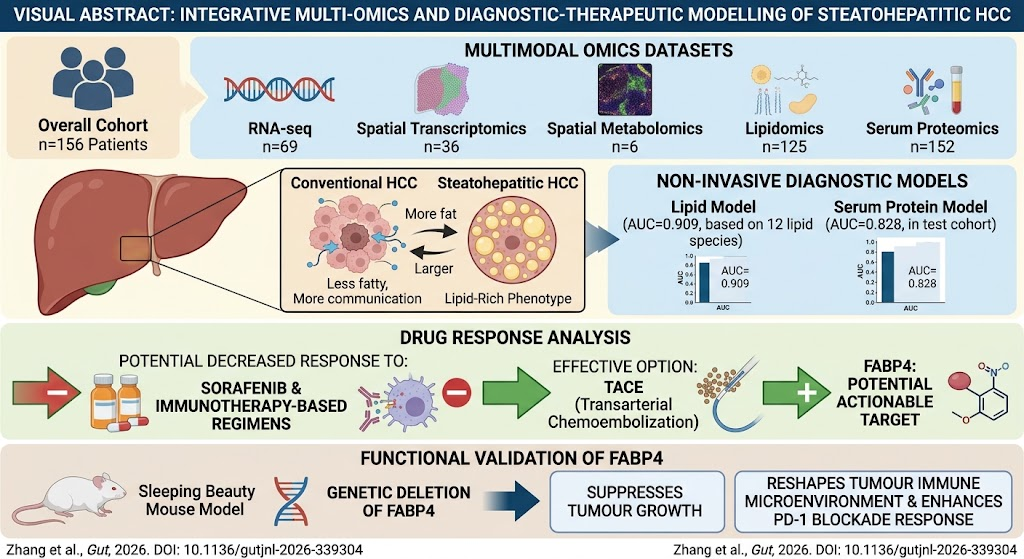
This article explores how the deubiquitinase JOSD1 drives HCC progression by modulating a novel PTM switch on PGAM1, promoting glycolysis and immune evasion while providing a new target for combined immunotherapy.

Genetic Risk of Inflammatory Bowel Disease Linked to Disease Severity
A Danish nationwide study reveals higher genetic risk scores for IBD predict more severe disease courses, including increased surgery rates, stronger medication needs, and worse inflammatory markers in both Crohn’s and ulcerative colitis pa

Oral Glucose Absorption Enhanced in Early Metabolic Dysfunction-Associated Steatotic Liver Disease
New research reveals accelerated glucose absorption in early MASLD patients, independent of gastric emptying. This metabolic alteration may drive liver disease progression before hepatic insulin resistance develops.

Early MASLD Is Associated With Enhanced Oral Glucose Absorption Independent of Gastric Emptying
Stable-isotope OGTT data suggest that early MASLD is linked to higher oral glucose absorption, independent of gastric emptying, with preserved hepatic insulin suppression but impaired peripheral glucose clearance.

CD276 Identified as Key Driver of Chemoresistance in Advanced Pancreatic Cancer
Single-cell analysis reveals CD276/B7-H3 as a critical regulator of chemoresistance in pancreatic ductal adenocarcinoma, highlighting its dual role in promoting basal-like tumor states and immune evasion.

Fecal Microbiota Transplant Fails to Decolonize Multidrug-Resistant Organisms in GI Patients: A Randomized Trial Analysis
A randomized clinical trial found that FMT did not significantly decolonize MDROs or reduce AMR genes in GI disease patients, though it modulated gut microbiome composition.

Early Enteral Nutrition Reduces Postoperative Complications in High-Risk Pancreatoduodenectomy Patients
The NUTRIWHI trial demonstrates that early enteral nutrition via nasojejunal tube significantly reduces complication burden in nutritionally high-risk patients after pancreatoduodenectomy compared to oral nutrition alone.

Mucosal Impedance: A Novel Diagnostic Tool for Refining GERD Phenotyping and Surgical Decision-Making
Mucosal impedance (MI) offers a groundbreaking approach to assess esophageal mucosal integrity in GERD, complementing traditional diagnostics and enhancing surgical outcomes.

Combination Therapy with GLP-1 Receptor Agonists and SGLT-2 Inhibitors Reduces Liver and Cardiovascular Risks in MASLD and Type 2 Diabetes
A study reveals that combining GLP-1 receptor agonists with SGLT-2 inhibitors significantly lowers the risk of major adverse liver and cardiovascular outcomes in patients with MASLD and type 2 diabetes compared to monotherapy.

CD16+ γδ T Cells: A Novel Player in HBV Viral Control Through Antibody-Dependent Cytotoxicity
A study reveals CD16+ γδ T cells as key mediators of antibody-dependent cellular cytotoxicity in HBV infection, correlating with reduced viral replication and offering new therapeutic targets.

Clonal Lymphocyte Expansions and JAK-STAT Mutations Drive Refractory Celiac Disease
This study uncovers clonal lymphocyte expansions and JAK-STAT pathway mutations as key drivers of refractory celiac disease, suggesting a shared pathogenic continuum between RCD1 and RCD2 while cautioning against JAK inhibitor monotherapy d

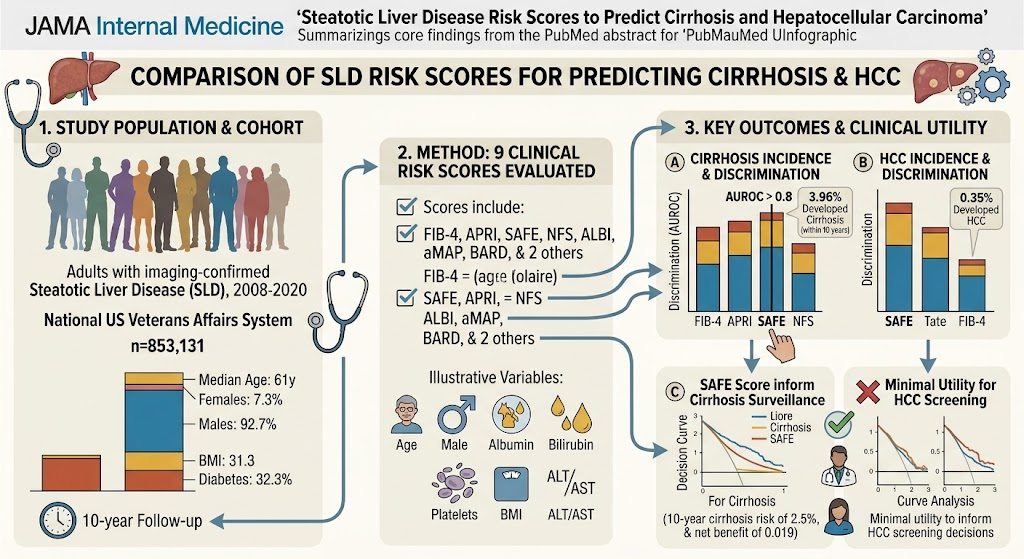
A New Framework to Refine Hepatocellular Cancer Surveillance with Risk Stratification Models
The Translational Liver Cancer Consortium proposes a structured framework for developing and validating risk models to optimize HCC surveillance, addressing gaps in current clinical guidelines.

Protein Misfolding in the Gut: A Window into Future Neurodegeneration
GI biopsies reveal misfolded proteins years before neurological symptoms appear, offering a new biomarker for early neurodegenerative disease prediction and intervention.

Somatostatin in the Gut: No Diabetes-Specific Patterns Found
New study reveals uniform distribution of somatostatin and its receptors throughout the intestinal tract in both healthy individuals and type 2 diabetes patients, challenging previous assumptions about its role in diabetes pathophysiology.
Browse by specialty
Open language-specific specialty feeds and department pages.