Psychiatry
Latest news
319 articles · 20 / page

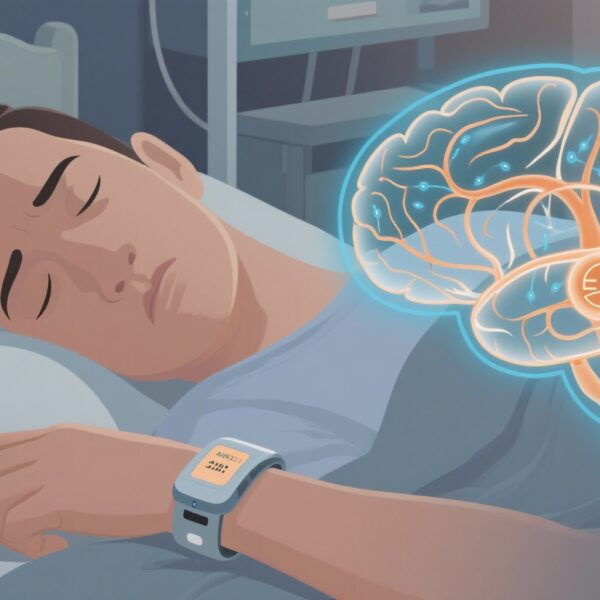
Predicting Seizure Recurrence After a First Unprovoked Seizure: Key Prognostic Factors and Clinical Implications
This article examines prognostic factors predicting seizure recurrence after a first unprovoked seizure in children and adults, highlighting the roles of EEG abnormalities, brain imaging, nocturnal seizures, and family history, while addres

Understanding Dropout in Digital Psychosocial Interventions for Adult Illicit Substance Users: Insights from a Systematic Review and Meta-Analysis
This meta-analysis examines dropout rates in digital psychosocial interventions for adult illicit drug users, identifying key demographic, clinical, and intervention-related factors associated with treatment adherence.

Decoding the Optimal Aerobic Exercise Dose for Alleviating Depression in Youth: Evidence from a Meta-Analysis
Aerobic exercise significantly alleviates depressive symptoms in children and adolescents, especially in diagnosed adolescents, with 590 METs-min/week at moderate intensity identified as the optimal dose.

Coenzyme Q10 in Depression and Anxiety: Evaluating Therapeutic Potential Through Meta-Analysis
This meta-analysis examines Coenzyme Q10 supplementation’s impact on depression and anxiety, revealing modest benefits for depression at low doses and short durations but insufficient evidence for anxiety improvement.

Brexpiprazole in Alzheimer’s Disease-Related Agitation: Modest Gains Amidst Safety Uncertainties
This review evaluates brexpiprazole’s efficacy and safety for agitation in Alzheimer’s disease, revealing modest symptom improvement but uncertain safety profiles, underscoring the need for individualized therapy and further research.

Which Mental-Health Steps Should Trauma Teams Prioritize? A Practical Synthesis of New Guideline Recommendations
A systematic synthesis of clinical practice guideline recommendations for preventing and managing mental disorders after traumatic injury, with prioritized, implementable actions for acute and early recovery care.

Delays in Pediatric Cannabis Toxicology Testing Lead to Increased Neuroimaging in Emergency Departments
Delayed cannabis test results in children under 6 with poisoning symptoms prolong ED visits and influence neuroimaging use. Faster toxicology screening could optimize care and reduce unnecessary scans.

Early Dose Reduction or Discontinuation vs Maintenance Antipsychotics After First Psychotic Episode Remission: A Four-Year Randomized Clinical Trial Review
This review synthesizes evidence from a large randomized trial comparing early antipsychotic dose reduction/discontinuation versus maintenance after first-episode psychosis remission, emphasizing short-term risks and long-term functional ga

Balancing Risks and Benefits: Early Antipsychotic Dose Reduction Versus Maintenance After First-Episode Psychosis Remission
A randomized clinical trial reveals early dose reduction of antipsychotics after first-episode psychosis remission increases short-term relapse risk and lowers quality of life, but may improve long-term functioning over four years.

Heart Rate Variability Biofeedback in Substance Use Disorder: Emerging Evidence from a Randomized Clinical Trial and Contextual Review
Second-generation heart rate variability biofeedback (HRVB) shows promise in reducing craving, negative affect, and substance use in adults with substance use disorder (SUD), supporting its potential as an adjunctive treatment in early reco

Unraveling ADHD: Gut Microbial Signatures and the Role of SCFA Deficiency in Symptom Pathogenesis
Recent research reveals distinct gut microbial and metabolic profiles linked to ADHD symptoms, highlighting short-chain fatty acid deficiency as a key mechanism driving hyperactivity and inattention.

Restoring Cognitive Function After Adolescent Alcohol Exposure: The Promise of Synbiotic Therapy Targeting the Microbiota-Gut-Brain Axis
A synbiotic intervention reverses alcohol-induced cognitive deficits in adolescent mice by modulating gut microbiota and brain metabolism, suggesting potential therapeutic avenues for alcohol-related neurobehavioral impairments.

Soft Drink Consumption and Depression: The Gut Microbiome Connection, Especially Eggerthella
This analysis explores how soft drink consumption correlates with major depressive disorder (MDD), revealing gut microbiome alterations—particularly in Eggerthella abundance—that may mediate this association, highlighting potential interven

Cytisinicline Enhances Smoking Cessation in COPD Patients: Post Hoc Insights from the ORCA-2 and ORCA-3 Trials
Cytisinicline significantly improves smoking cessation rates and is well tolerated in smokers with self-reported COPD, supporting its use as an effective treatment option for this high-risk population.

Childhood Loneliness: A Lasting Risk Factor for Cognitive Decline and Dementia in Later Life
Childhood loneliness significantly increases the risk of cognitive decline and dementia in middle-aged and older adults, independent of adult loneliness, highlighting the importance of early psychosocial interventions.

Brain Connectome Modulates the Impact of Adverse Childhood Experiences on Mental Health in Preadolescents
This cohort study reveals that whole-brain functional connectivity alters the link between adverse childhood experiences and psychiatric disorders in children, particularly for threat-related exposures and females, suggesting a neurobiologi

Linking Alcohol Consumption Per Capita to Suicide Mortality: Insights from a Meta-Analysis
A meta-analysis found a population-level association between increased per capita alcohol consumption and higher suicide mortality, without sex differences, suggesting alcohol reduction as a vital component in suicide prevention.

Unveiling the Burden and Trajectories of Perinatal Anxiety and Depression in a Major Urban Medical Center
A retrospective study identifies critical gaps in screening and treatment of perinatal anxiety and depression, revealing prevalence rates, symptom trajectories, and the impact of mental health services in 3051 women.

Ammoxetine Shows Promise as Effective and Well-Tolerated Treatment for Major Depressive Disorder: Insights from a Phase 2 Randomized Trial
A phase 2 trial in adults with major depressive disorder demonstrated that ammoxetine at 40 mg/d and 60 mg/d significantly improved depressive symptoms compared to placebo and was generally well tolerated, offering a novel treatment option
Browse by specialty
Open language-specific specialty feeds and department pages.