Orthopedics
Latest news
92 articles · 20 / page

Wearables and Behaviour Change Work Best: Physical Activity Interventions After Hip and Knee Arthroplasty Improve Steps but Not Sedentary Time
A meta-analysis of 23 RCTs (n≈1,265) found small but reliable increases in physical activity after hip or knee arthroplasty, driven by step-count gains and greater effects when interventions used wearable activity trackers, behaviour-change

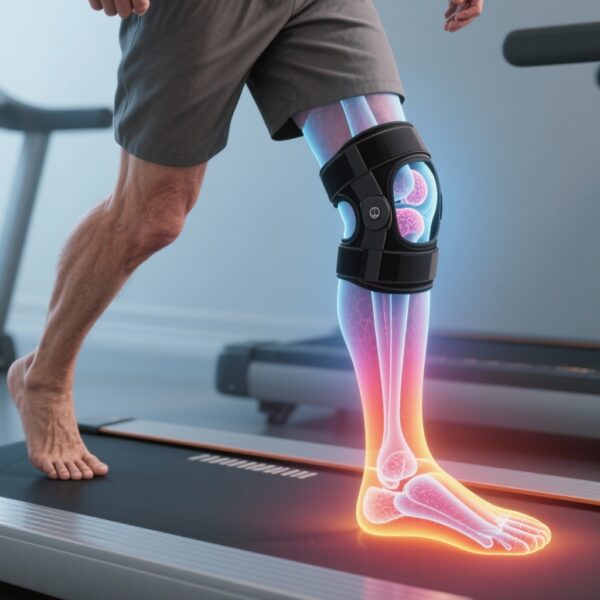
Valgus Bracing Lowers Medial Tibiofemoral Cartilage Pressure and Shifts Load Laterally in Varus Knee Osteoarthritis
In patients with varus‑malaligned medial knee osteoarthritis, valgus bracing reduced medial tibiofemoral cartilage contact pressure (~12% peak reduction) and shifted the center of pressure laterally during stance; no change was seen in pate

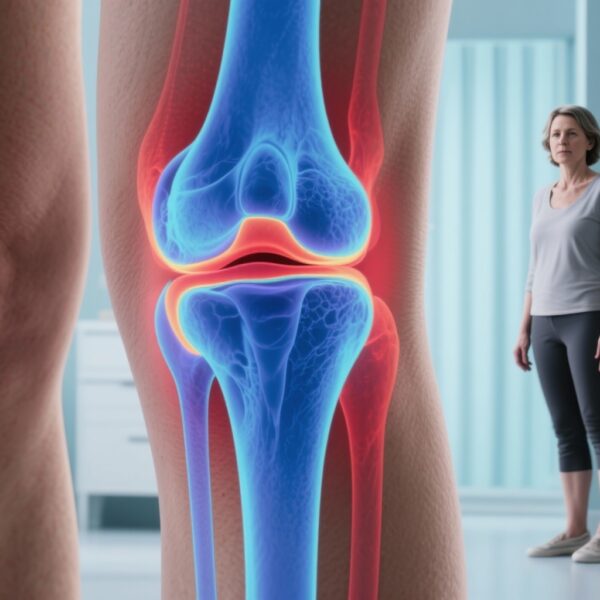
T2 Mapping Detects BMI-Linked Cartilage Changes and Lateral Compartment Signal Differences in Population-Based Knee OA
In a large population-based sample, cartilage T2 relaxation times correlated with BMI and were higher in knees with MRI-defined osteoarthritis, particularly in lateral cartilage subregions; T2 did not reflect patient-reported symptoms.

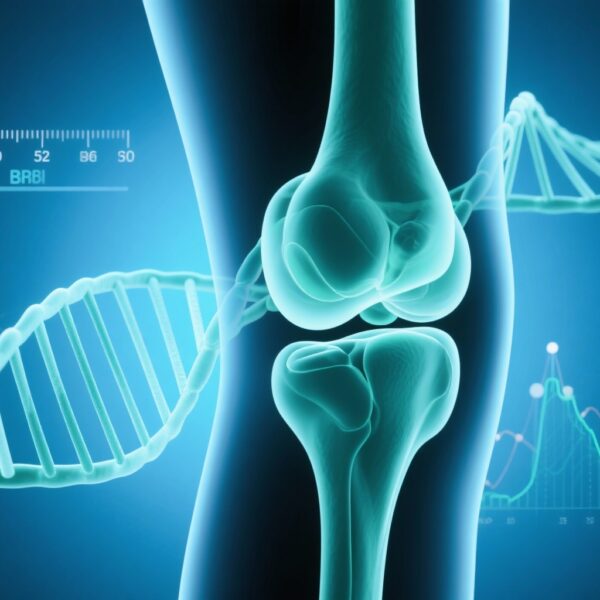
Partitioning Knee Osteoarthritis Genetic Risk by BMI Association Clarifies Prediction and Mechanisms
Partitioning a knee osteoarthritis polygenic score into BMI-associated and BMI-independent components clarifies genetic contributions, improves interpretability, and offers a path to tailored prediction and prevention.

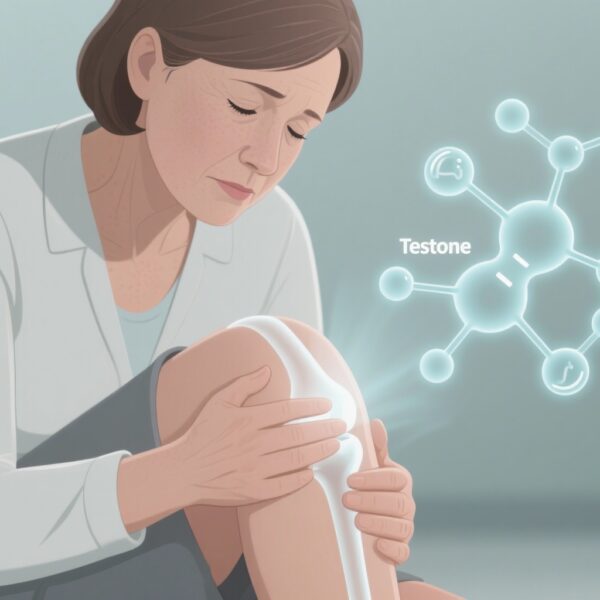
Higher Endogenous Testosterone Is Associated with Lower Risk of Knee Osteoarthritis in Women
In a large UK Biobank cohort, higher circulating testosterone was associated with lower prevalent and incident knee osteoarthritis (KOA) in middle-aged and older women, while SHBG and estradiol showed no clear associations.

Targeting Modifiable Risks to Prevent Knee Osteoarthritis
A large systematic review identified prior knee injury, older age, and high bone mineral density as predictors of incident radiographic knee osteoarthritis; overweight/obesity and prior injury explained ~14% of cases—highlighting prevention

Physical Activity and Risk of Knee Replacement in Radiographic Osteoarthritis
In a 9-year OAI cohort analysis, baseline self-reported moderate physical activity was linked to lower knee replacement risk in KL grade 2 but to higher risk in KL >2; high activity showed no clear effect. Results support severity-tailored

Baseline Sarcopenia Predicts Faster Knee Osteoarthritis Progression and Much Higher Risk of Knee Replacement
In a longitudinal analysis of 4,316 Osteoarthritis Initiative participants, baseline sarcopenia screened by SARC-F and chair-stand testing was associated with accelerated radiographic and symptomatic knee OA progression over 24–48 months an

Metformin in Knee Osteoarthritis: Evaluating Its Role in Pain Relief and Disease Modification
Emerging evidence supports metformin’s modest pain-relieving effects and potential disease-modifying properties in knee osteoarthritis patients with overweight or obesity, warranting further investigation through larger trials.

Early Patellofemoral Underloading After ACL Reconstruction Predicts Worse Cartilage: What This Means for Post‑Traumatic Knee Osteoarthritis
A systematic review and meta-analysis finds that reduced patellofemoral contact force within the first year after ACL reconstruction is associated with worse trochlear cartilage structure 1–5 years later; associations for the tibiofemoral j

Chondrocalcinosis Predicts Incident Knee Osteoarthritis
Two large longitudinal cohorts show baseline chondrocalcinosis is associated with ~75% higher odds of developing radiographic knee osteoarthritis over long-term follow-up, suggesting calcium crystal deposition may be a contributing factor i

Two-thirds of ACL-injured Patients Avoid Surgery at 2 Years: Nationwide Registry Shows Rehab-first Strategy Often Works but Younger, Pivoting-sport Athletes and Meniscal Tears Predict Delayed Reconstruction
A Norwegian registry study reports that 63% of patients with primary ACL injury initially managed non‑operatively remained non‑operative at two years; younger age, participation in pivoting sports and baseline meniscal injury increased risk

Digital‑Twin Decision Aid for Knee Osteoarthritis Improves Decision Quality and 6‑Month Function: Randomized Trial Results
An AI-enabled decision aid that generated patient-specific digital twins improved decision quality, reduced decisional conflict and regret, and produced better 6–9 month knee function versus education alone in patients considering total kne

Preventing Falls in Care Homes: What the 2025 Cochrane Review Now Recommends
An evidence-based synthesis of the 2025 Cochrane review on fall-prevention in care facilities: which interventions work, for whom, and how to implement them in practice.

Physical Therapy for Degenerative Meniscal Tear: No Added Benefit Over Home Exercise Alone in Knee Pain Management
A randomized trial shows that physical therapy and text message reminders do not significantly improve knee pain outcomes beyond a simple home exercise program in patients aged 45-85 with degenerative meniscal tears.

Online Unsupervised Tai Chi Intervention for Knee Osteoarthritis: Insights from the RETREAT Randomized Clinical Trial and Systematic Reviews
This review synthesizes evidence from the RETREAT RCT and past systematic reviews, highlighting that an unsupervised online Tai Chi program significantly improves knee pain and function in knee osteoarthritis, providing a scalable, accessib

Long-Term Outcomes of Extracranial Vertebral Artery Reconstruction in Managing Symptomatic Vertebral Artery In-Stent Restenosis or Occlusion
This study evaluates the efficacy of vertebral artery reconstruction surgery versus medical therapy in reducing stroke recurrence and improving neurological outcomes over a ten-year period.

Enhanced Exercise Rehabilitation via Tailored Adherence Support Improves Outcomes in Vertebral Fragility Fractures: Insights from the OPTIN Randomised Controlled Trial
Integrating tailored adherence support into exercise rehabilitation for vertebral fragility fractures significantly improves functional mobility and walking capacity compared to standard exercise alone at 12 months.

Stem Cell Therapy for Avascular Necrosis of the Femoral Head: Promise or Pitfall? A Comprehensive Meta-Analysis
This meta-analysis evaluates stem cell therapy combined with mechanical support for avascular necrosis of the femoral head, highlighting modest improvements in function and delayed disease progression compared to stem cells alone.

Evaluating Pilates for Knee Osteoarthritis: Efficacy, Safety, and Clinical Insights from Recent Meta-Analysis
A systematic review and meta-analysis of RCTs indicates Pilates may improve pain and function in knee osteoarthritis patients, though evidence quality is low and safety data insufficient. Caution is warranted in interpreting results, highli
Browse by specialty
Open language-specific specialty feeds and department pages.