Neurology
Latest news
579 articles · 20 / page

Impact of Screening and Care for Emotional and Cognitive Problems on Post-Ischemic Stroke Outcomes: Insights from a Dutch Multicenter Cluster-Randomized Trial
A multicenter trial assessing emotional and cognitive screening post-ischemic stroke found no improvement in societal participation at 1 year, though modest early benefits in anxiety and quality of life were noted.

Extending the Therapeutic Window: Alteplase Use 4.5 to 24 Hours After Ischemic Stroke in the HOPE Trial
The HOPE trial demonstrates that intravenous alteplase administered 4.5 to 24 hours after ischemic stroke onset improves functional independence in patients with salvageable brain tissue, despite increased risk of symptomatic intracranial h

FDA Approves Subcutaneous Lecanemab for Maintenance Treatment in Early Alzheimer’s Disease: A Step Toward More Accessible Care
The FDA has approved a subcutaneous form of lecanemab for maintenance therapy in early Alzheimer’s, offering similar clinical benefits to IV dosing with improved convenience and safety, potentially transforming patient care delivery.

ADHD Drugmakers Double Marketing Spending to Clinicians: Implications for Prescribing and Patient Care
Pharmaceutical companies have significantly increased marketing payments to clinicians for ADHD medications, particularly targeting advanced practice clinicians. The impact of this trend on prescribing patterns and clinical benefits remains

Delayed Seizure Control in Focal Epilepsy: Insights from the Human Epilepsy Project
New data reveal many patients with focal epilepsy experience seizures beyond the first treatment year, with nearly a quarter developing resistance to antiseizure medications, underscoring the need for optimized treatment strategies.

Microplastics in Our Brains: The Invisible Threat We Can’t Ignore
Recent studies reveal alarming accumulation of microplastics in human brains, urging urgent research to understand health risks. Microplastics infiltrate the body through daily exposure, potentially impairing brain function and health.

How Phones and Computers Can Protect Your Brain Against Dementia: Debunking the Digital Dementia Myth
A groundbreaking meta-analysis reveals that digital technology use lowers dementia risk and slows cognitive decline in adults over 50, highlighting digital tools as vital cognitive protectors rather than risks.

Why Do Phantom Limb Pains Persist? New Brain Imaging Research Offers Crucial Insights
New research reveals that the brain’s representation of lost limbs remains stable after amputation, challenging long-held beliefs and paving the way for improved treatments for phantom limb pain and advanced neuroprosthetics.

Cardiorespiratory Exercise Enhances Cognitive Function After Ischemic Stroke: Insights from the PISCES-ZODIAC Trial
An 8-week cardiorespiratory exercise program initiated 2 months after ischemic stroke improved cognitive performance at 12 months, despite no significant preservation of hippocampal volume compared with control. The intervention was safe an

Unraveling the Link Between Gastrointestinal Disorders and Sleep Problems: The Role of Depression
This article explores how gastrointestinal diseases are linked to sleep disturbances, highlighting depression as a partial mediator and emphasizing the importance of addressing both gut and psychological health to improve sleep quality.

Metabolic Syndrome Increases Parkinson’s Disease Risk: Implications for Clinical Practice and Prevention
A large cohort study reveals that metabolic syndrome significantly raises Parkinson’s disease risk by 39%, with even greater risk in genetically predisposed individuals, highlighting the importance of metabolic health management in PD preve

Low-Dose Caffeine Boosts Cognitive Function but Not Physical Performance in Fatigued Taekwondo Athletes: Insights from a Randomized Crossover Trial
A 200 mg caffeine dose enhances cognitive processing by reducing brain fatigue markers without improving physical performance in fatigued Taekwondo athletes. The findings underscore caffeine’s selective benefit on mental function over physi

A Caffeine and Theacrine Combination Enhances Cognitive Performance in Tactical Personnel Under Physical Fatigue
Combining caffeine with theacrine improves cognitive and physical performance in tactical personnel during physically fatiguing conditions, offering benefits beyond caffeine alone and reducing common side effects.

Sodium Benzoate as a Promising Treatment for Amnestic Mild Cognitive Impairment: Evidence from a Randomized Controlled Trial
A 24-week randomized, double-blind trial shows sodium benzoate, a D-amino acid oxidase inhibitor, improves short-term memory in patients with amnestic mild cognitive impairment, suggesting a potential therapeutic role with a favorable safet

Metabolic Syndrome: The Hidden Highway to Dementia in Older Adults
Metabolic syndrome—characterized by five key metabolic risk factors—significantly increases the risk of dementia, especially vascular dementia, among older adults. Early detection and lifestyle interventions are crucial to protect brain hea

13 Brain-Boosting Foods to Help Fight Dementia: Are You Eating These?
Discover 13 scientifically-supported foods that can help protect and enhance cognitive function, potentially reducing dementia risk as you age.

Acupuncture Enhances Brain White Matter Integrity and Alleviates Postconcussion Symptoms in Mild TBI: Evidence from a Randomized Controlled MRI Study
This randomized controlled trial demonstrates that acupuncture improves white matter microstructure on MRI and reduces long-term postconcussion symptoms in mild traumatic brain injury patients, with sustained effects at 6-12 months.

Harnessing Slow-Wave Sleep for Internet Gaming Disorder: Efficacy of Closed-Loop Auditory Exposure
Closed-loop auditory exposure during slow-wave sleep significantly reduces craving and playtime in Internet Gaming Disorder by modulating sleep spindle power, offering a novel, non-invasive therapeutic strategy.

Improving Sleep Quality through Cognitive Behavioural Therapy Alters Food Preferences in Adults with Overweight and Obesity
Cognitive behavioural therapy for insomnia enhances self-reported sleep quality and duration, reduces cravings for sweet and savoury foods, and shifts implicit food preferences in adults with overweight or obesity, though dietary intake cha

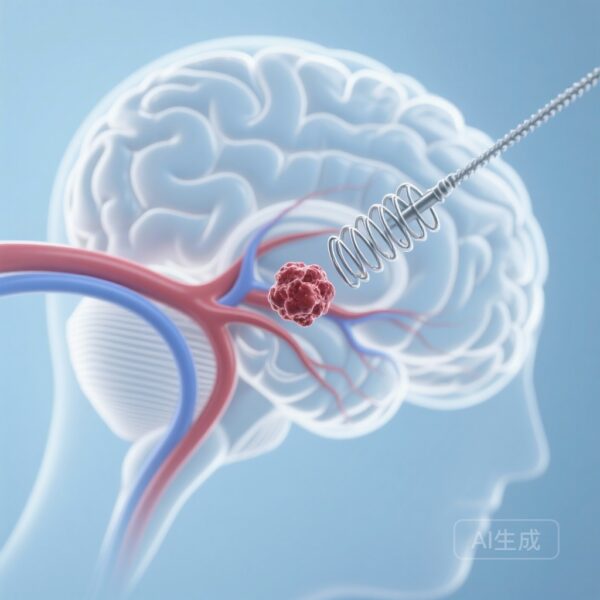
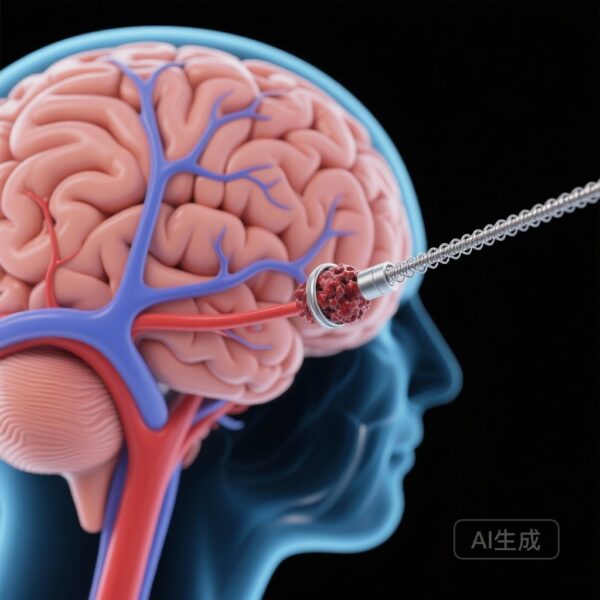
Endovascular Therapy Shows Lasting Benefits Over Medical Management in Large Ischemic Stroke: 1-Year Results from the ANGEL-ASPECT Trial
The ANGEL-ASPECT trial demonstrates that endovascular therapy (EVT) significantly improves 1-year functional outcomes compared to medical management in patients with large ischemic stroke, confirming durable disability reduction despite sim
Browse by specialty
Open language-specific specialty feeds and department pages.