Gastroenterology
Latest news
363 articles · 20 / page

Unraveling the Gut-Heart Connection: How Leaky Gut Fuels Atrial Fibrillation in Aging
Researchers identify JNK2 as a key mediator in gut-heart crosstalk, linking intestinal permeability to atrial fibrillation pathogenesis through inflammatory stress signals, offering new therapeutic targets.

腹腔鏡と開腹手術による小腸閉塞癒着剥離の長期転帰:LASSO無作為化臨床試験
小腸閉塞手術における腹腔鏡アプローチは短期回復が早いが、5年間の追跡調査では再発率、ヘルニア発生率、QOLにおいて開腹手術と同等の結果を示した。術式選択は患者個別の要因に基づくべきである。

OCE-205 Signals a Potential New Direction for Hepatorenal Syndrome-AKI, with Tolerability at the Center
In a phase 2 randomized trial, OCE-205 improved HRS-AKI in more patients than placebo and showed no excess ischemic or respiratory toxicity, but the study was underpowered after early termination.

A Blood-Based Extracellular Vesicle RNA Signature May Offer a New Way to Diagnose Chronic Pancreatitis
A five-RNA extracellular vesicle signature showed strong diagnostic performance for chronic pancreatitis and may also reflect acinar-to-ductal metaplasia and disease-related metabolic features.

Delayed Surgery in Bowel Obstruction: A Hidden Driver of Mortality and Recurrence in France
A nationwide French study reveals that surgical delay beyond 9 days triples early mortality risk compared to immediate surgery. While non-operative management carries higher long-term recurrence, timely laparoscopic intervention offers the

Perioperative Nivolumab Combined with Irreversible Electroporation Shows Antitumoral Effect in High-Risk BCLC A Hepatocellular Carcinoma: Results from the NIVOLEP Phase 2 Trial
The NIVOLEP phase 2 trial demonstrates that perioperative nivolumab (neoadjuvant and adjuvant) combined with irreversible electroporation achieves 70.6% one-year local recurrence-free survival in BCLC A HCC patients with high recurrence ris

Portal Tryptophan Depletion Drives Hyper-Reactive Neutrophils in Alcoholic Liver Disease: Insights from a Prospective TIPS Study
A prospective study reveals that decreased tryptophan levels in portal circulation induce neutrophil hyperactivation in alcoholic liver disease. In vitro supplementation with tryptophan ameliorated neutrophil activation, identifying the gut

Kissing and Celiac Disease: New Evidence That Simple Precautions Effectively Minimize Gluten Transfer Risk
A prospective study in Gastroenterology examined gluten transfer through kissing in celiac-discordant couples. Researchers found that while low-level gluten is detectable in saliva, the risk of clinically significant transfer is minimal. A

Redefining Gluten Thresholds in Celiac Disease: The Role of Interleukin-2 as a Biomarker for Immune Activation
This review synthesizes recent clinical evidence establishing Interleukin-2 as the primary biomarker for acute gluten exposure in celiac disease, revealing that immune activation occurs at doses significantly lower than currently used in fo

New EHR-Based Model PRIME Achieves 0.75 AUC in Predicting Pancreatic Cancer Risk Across 11 Million Patients
Researchers developed PRIME, a parsimonious risk stratification model for pancreatic ductal adenocarcinoma using electronic health record data. Validated across US health systems and the UK Biobank, PRIME retained 19 predictors and achieved

Why Hepatitis E Remains a Silent Threat in Transplant Recipients: Key Insights from Two Decades of Data
A 20-year retrospective study of 6,452 solid organ transplant patients reveals hepatitis E infection rates of 3.5%, with chronicity rates exceeding 65%. The findings highlight the critical importance of HEV screening and the effectiveness o

The Gut-Liver Axis Unveiled: How Microbiome Signatures Track Disease Progression from Fatty Liver to Cancer
A landmark multicohort study of 1,168 individuals reveals that gut microbiome diversity systematically declines across liver disease stages, with specific bacterial markers like Veillonella and functional metabolic shifts predicting disease

The Unfinished Agenda in Helicobacter pylori Treatment: Resistance, Microbiome Effects, and Future Directions
This review synthesizes the evolving landscape of H. pylori management, highlighting the rise of P-CAB-based therapies, the impact of antibiotic resistance on global eradication strategies, and the expanding recognition of extragastric dise

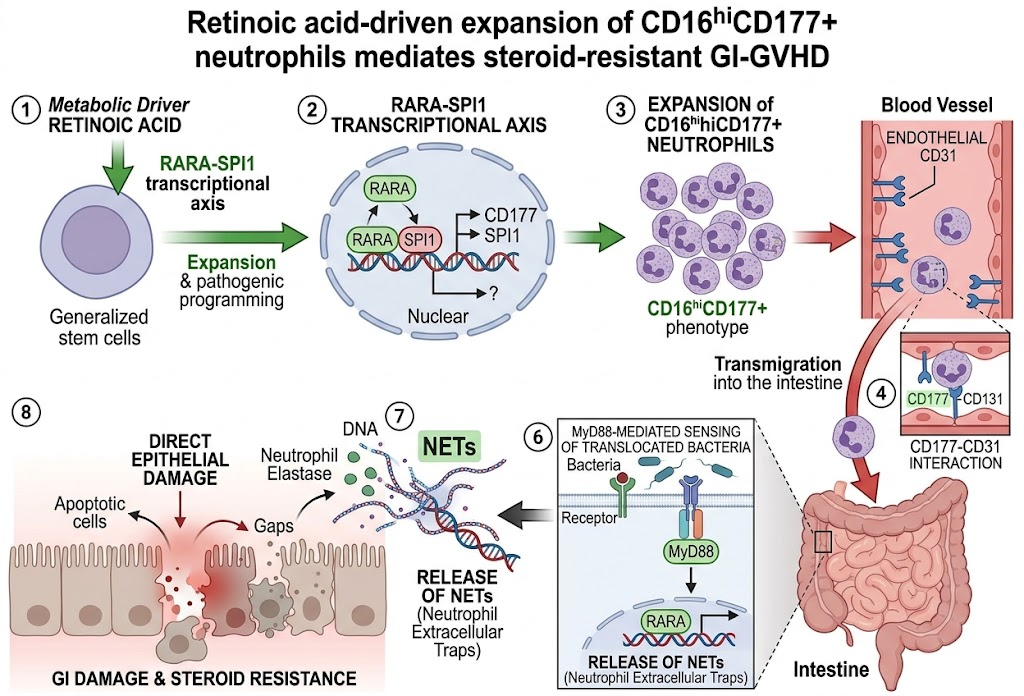
Enterococcus faecalis Drives MHC-II Expression in Intestinal Epithelium: A Novel Mechanism Linking Gut Microbiome Dysbiosis to Lethal Graft-versus-Host Disease
Research reveals that Enterococcus faecalis colonization induces MHC-II expression in intestinal epithelial cells during graft-versus-host disease, with a lantibiotic-producing Blautia producta strain demonstrating potential to restore colo

Validating the Virtual Biopsy: Noninvasive Surrogate Endpoints for Disease Progression and Treatment Efficacy in MASH
This review synthesizes the evolving landscape of noninvasive tests (NITs) in MASH, detailing their role as surrogate endpoints for adverse outcomes and therapeutic response based on recent clinical trials and meta-analyses.

Novel Fusion Model Combines Hypoxia and Immune Signatures to Predict Survival in HCC Patients Undergoing TACE Therapy
A groundbreaking multicentre study develops a clinical-radiologic model integrating hypoxia and immune phenotype signatures to accurately predict prognosis in hepatocellular carcinoma patients treated with transarterial chemoembolisation, p

Beyond Pathology: DNA/RNA Sequencing Achieves Near-Double Sensitivity in Detecting Bile Duct Cancer
A landmark six-year study involving over 2,000 patients at 28 institutions demonstrates that next-generation sequencing of ERCP-obtained specimens achieves 82% sensitivity for neoplastic bile duct strictures, nearly doubling traditional pat

Beyond the Backpressure: Targeting the Integrin αV-YAP-CTGF Axis to Halt Fibrosis in Congestive Hepatopathy
This study identifies the integrin αV-YAP-CTGF axis in liver sinusoidal endothelial cells as a primary driver of fibrosis and carcinogenesis in congestive hepatopathy. By targeting this mechanosensitive pathway, researchers demonstrated a s

Targeting the Integrin αV-YAP-CTGF Axis: A New Frontier in Treating Congestive Hepatopathy and Liver Carcinogenesis
Researchers have identified a mechanosensitive signaling pathway in liver sinusoidal endothelial cells that drives fibrosis and cancer in response to chronic congestion, offering a new therapeutic target for heart-failure-related liver dise

From Pressure to Cancer: Unveiling the Integrin αV-YAP-CTGF Axis as a Therapeutic Target in Congestive Hepatopathy
Researchers have identified a novel signaling pathway in liver sinusoidal endothelial cells (LSECs) that drives fibrosis and liver cancer in congestive hepatopathy. The study highlights the Integrin αV-YAP-CTGF axis as a critical mechanism
Browse by specialty
Open language-specific specialty feeds and department pages.