Emergency Medicine
Latest news
115 articles · 20 / page

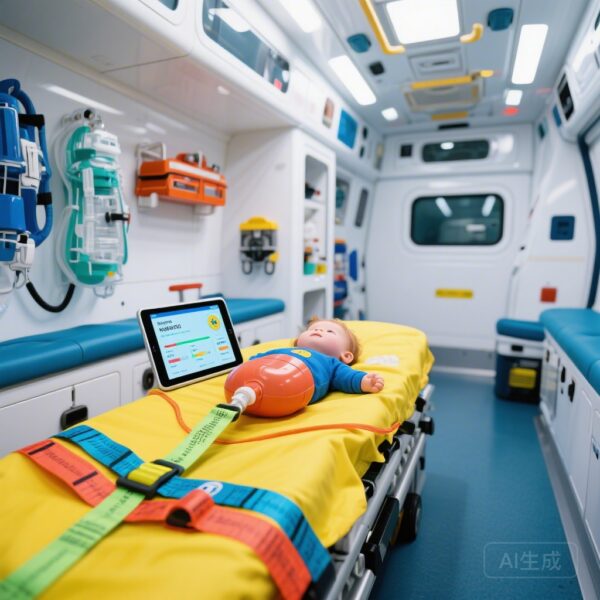
Inhaled Methoxyflurane Matches or Exceeds Standard Analgesics for Rapid Prehospital Pain Relief: Results from the PreMeFen Randomised Trial
The PreMeFen trial found inhalational methoxyflurane provided rapid, clinically meaningful pain relief at 10 minutes and was non-inferior to intranasal fentanyl and intravenous morphine in the prehospital setting, offering a practical non‑i

Vernakalant Beats Procainamide for Rapid ED Cardioversion of Recent-Onset Atrial Fibrillation: Results from RAFF4
The RAFF4 randomized trial found intravenous vernakalant superior to procainamide for rapid cardioversion of acute atrial fibrillation in the emergency department — higher conversion within 30 minutes, faster time to sinus rhythm, and fewer

Heat and Dehydration Increase Carbohydrate Use During Endurance Exercise — Heat Is the Dominant Driver
A 2025 systematic review and meta-analysis found that endurance exercise in the heat increases carbohydrate oxidation and muscle glycogen use; dehydration amplifies this effect principally when combined with heat. Findings inform fueling an

Noninferiority of Deferring Early Arterial Catheterization in Shock Management: Insights from a Multicenter RCT
A large multicenter trial demonstrated that deferring early arterial catheter insertion in ICU patients with shock is noninferior to early invasive monitoring for 28-day mortality, with fewer catheter-related complications and comparable sa

Evaluating the Impact and Economics of Home Automated External Defibrillators: Insights from the CARES Registry
AEDs improve survival in in-home cardiac arrests with shockable rhythms but are not cost-effective for widespread private home use at current prices and incidence rates, per a large US cohort study using CARES data.

Venomous Snakes and Snakebites in the US: What You Need to Know to Stay Safe
Venomous snakes cause thousands of bites annually in the US, with serious health consequences. Understanding snake types, symptoms, first aid, and prevention can save lives.

Timely Opioid Administration in Pediatric Emergency Departments Reduces Hospitalizations for Acute Sickle Cell Pain
Prompt opioid delivery in pediatric EDs for sickle cell pain significantly lowers hospitalization rates, with the greatest benefit seen when the first dose is given within 60 minutes and the second dose within 30 minutes.

Reassessing the Safety of Peripheral Vasopressor Use in Early Sepsis: Evidence from a Large Prospective Cohort Study
This study evaluates factors influencing vasopressor route choice in sepsis and demonstrates low complication rates associated with peripheral administration, supporting its safety in early resuscitation.

Optimizing Gonorrhea and Chlamydia Screening for Adolescents in Emergency Departments: Evidence from Targeted and Universal Strategies
Comparative effectiveness evidence from multicenter pediatric emergency departments demonstrates that targeted and universally offered gonorrhea and chlamydia screening increase detection rates versus usual care, highlighting the need for i

Declining Antiviral Prescribing for High-Risk Children with Influenza in US Pediatric Emergency Departments During the COVID-19 Era
Antiviral prescriptions for children at high risk of severe influenza in US pediatric emergency departments decreased by over 50% during the COVID-19 pandemic compared with prepandemic rates, despite unchanged treatment guidelines.

Comprehensive Management of Animal Bites: Integrating Plastic Surgery and Predictive Algorithm Approaches
This article reviews injury profiles from animal bites, emphasizing plastic surgery roles, treatment strategies, and a predictive model for complications, based on a large clinical dataset from Balıkesir University.

Evaluating Fentanyl Use in Pediatric Ileocolic Intussusception Reduction: Implications for Pain Management and Success Rates
A large multicenter study finds no association between fentanyl administration and failed reduction of pediatric ileocolic intussusception, supporting its safe use for analgesia during the painful reduction procedure.

Evaluating Telestroke’s Impact on Acute Ischemic Stroke Treatment Timeliness and Outcomes
Telestroke evaluation increases thrombolysis rates but is associated with longer treatment times and delays in patient transfers in acute ischemic stroke, highlighting the need to address modifiable treatment delays.

Advancing Early Pediatric Sepsis Detection: Machine Learning Models Predicting Onset Within 48 Hours
This study developed and validated machine learning models with high accuracy to predict early pediatric sepsis and septic shock within 48 hours using multisite electronic health record data in emergency departments.

Empowering Older Adults in Acute Care: Insights on Shared Decision Making for Treatment Escalation Planning
This qualitative UK study explores older patients’ perspectives on shared decision making for treatment escalation during acute hospital deterioration, highlighting the need for patient autonomy, education, and adaptable clinical approaches

Innovative Respiratory Gas Delivery Device Significantly Extends Survival Time in Simulated Critical Avalanche Burial
A randomized clinical trial demonstrates that a novel avalanche safety device delaying hypoxia and hypercapnia can extend survival time beyond the critical 35-minute asphyxiation window during avalanche burial.

Which Mental-Health Steps Should Trauma Teams Prioritize? A Practical Synthesis of New Guideline Recommendations
A systematic synthesis of clinical practice guideline recommendations for preventing and managing mental disorders after traumatic injury, with prioritized, implementable actions for acute and early recovery care.

Delays in Pediatric Cannabis Toxicology Testing Lead to Increased Neuroimaging in Emergency Departments
Delayed cannabis test results in children under 6 with poisoning symptoms prolong ED visits and influence neuroimaging use. Faster toxicology screening could optimize care and reduce unnecessary scans.

Exertional Heat Stroke: Critical Insights for Emergency Physicians
Exertional heat stroke (EHS) is a life-threatening condition characterized by hyperthermia and CNS dysfunction, necessitating rapid recognition and intervention to prevent multi-organ failure and death. This article reviews its pathophysiol
Browse by specialty
Open language-specific specialty feeds and department pages.