MMedXYNews
Ask AIHomeVideos
© 2026 MedXY
Contact usAbout usPrivacy PolicyMedXY story
MedXY News/Emergency Medicine

Section

Emergency Medicine

187 articles

Ask AI
All specialtiesEmergency MedicinenewsClinical UpdatesCardiologyOncology

Latest updates

Emergency Medicine

Injectable vs. Sublingual Buprenorphine: Shaping the Future of Emergency OUD Care

The ED INNOVATION trial reveals that 7-day extended-release injectable buprenorphine is safe and as effective as sublingual formulations for treatment engagement, offering significant benefits in craving reduction and patient satisfaction e

Feb 22, 2026
Cardiology

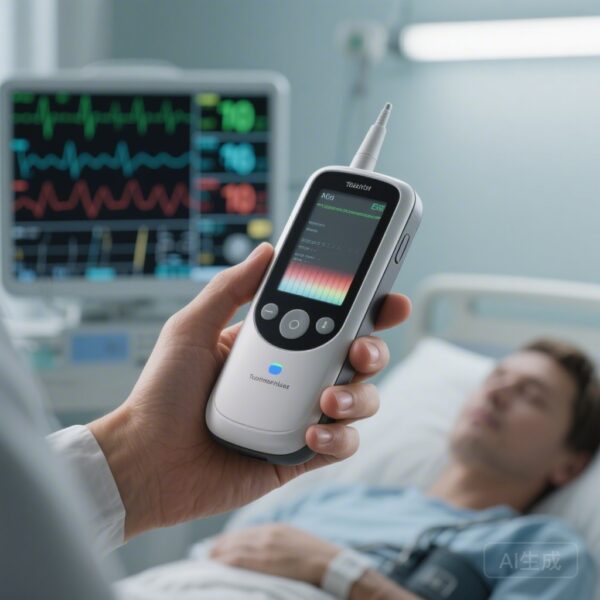
Novel Handheld Assist Device Quadruples Success Rates of Valsalva Maneuver in Supraventricular Tachycardia

A randomized clinical trial demonstrates that a handheld Valsalva assist device significantly improves sinus rhythm restoration in SVT patients compared to the standard maneuver, achieving a 63.2% success rate versus 29.2% in a clinical set

Feb 21, 2026
Emergency Medicine

High-Volume EMS Clinicians Save More Lives: The Critical Link Between Experience and Trauma Survival

A study of over 6,000 patient interactions reveals that higher annual trauma volumes per EMS clinician are significantly associated with reduced 6-hour and in-hospital mortality, emphasizing the need for volume-based staffing and training.

Feb 20, 2026
Critical Care

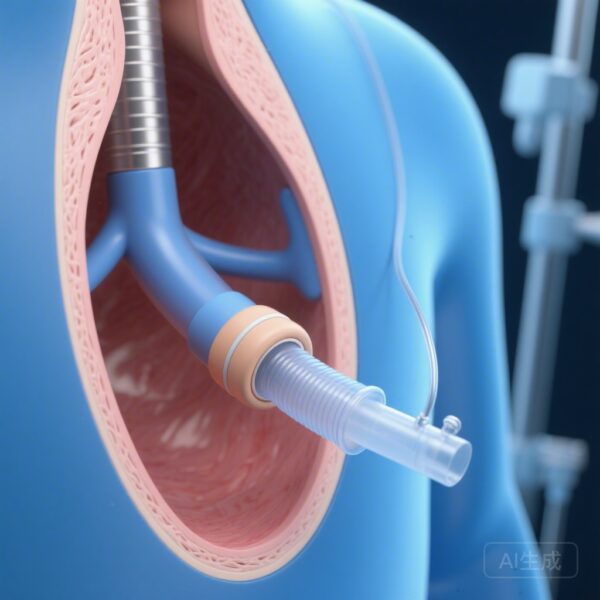
Subglottic Suction and Polyurethane Cuffs Fail to Improve Outcomes in Emergency Intubation: Insights from the PreVent 2 Trial

The PreVent 2 trial demonstrates that specialized endotracheal tubes with subglottic suction and polyurethane cuffs do not significantly reduce ventilator-associated complications or improve 6-month laryngeal, cognitive, or quality-of-life

Feb 19, 2026
Emergency Medicine

Recombinant Factor VIIa Fails to Improve Functional Outcomes in Hyperacute Intracerebral Haemorrhage Despite Reduced Bleeding: Results from the FASTEST Trial

The FASTEST trial demonstrated that while recombinant factor VIIa administered within two hours of intracerebral haemorrhage onset significantly reduced hematoma growth, it failed to improve functional outcomes at 180 days and increased the

Feb 17, 2026Sign in to read
Emergency Medicine

Youth with Histories of Out-of-Home Placement Face Significantly Longer Emergency Department Stays and Higher Restraint Rates During Mental Health Crises

A retrospective study at Mayo Clinic reveals that children with a history of out-of-home placement experience 24% longer ED stays and double the odds of physical or pharmacological restraint during psychiatric emergencies compared to their

Feb 12, 2026
Emergency Medicine

History of Out-of-Home Placement Linked to Prolonged Emergency Department Stays and Increased Restraint Use in Youth Mental Health Crises

A Mayo Clinic study reveals that children with out-of-home placement histories face 24% longer ED stays and double the odds of being restrained during mental health crises, highlighting critical systemic disparities in pediatric emergency c

Feb 11, 2026Sign in to read
Emergency Medicine

Peer Support After Opioid Overdose: Randomized Trial Finds No Reduction in Future Adverse Events

A randomized clinical trial of the Relay peer-navigator intervention in New York City found no significant reduction in opioid-related adverse events compared to standard care, despite high patient satisfaction and the intervention’s

Feb 11, 2026
Cardiology

Minutes Matter: How Modern Medicine is Winning the Race Against Heart Attacks

An extensive study of 575,247 patients reveals significant improvements in hospital response times for heart attacks over the last decade, yet highlights critical gaps in care for women, elderly patients, and those admitted during off-hours

Feb 8, 2026
Emergency Medicine

US Trauma Centers Are Operating at Near-Capacity, Leaving Little Room for Mass Casualty Surges

A large-scale analysis of 2,027 US trauma centers reveals that Level I and II facilities consistently operate at over 80% occupancy, leaving the national trauma system dangerously ill-equipped to handle sudden mass casualty events or sustai

Feb 5, 2026
Emergency Medicine

Modernizing Appendicitis Care: The 2025 WSES Jerusalem Guidelines Unveiled

An in-depth look at the 2025 WSES Jerusalem Guidelines for acute appendicitis, focusing on new diagnostic scoring, the 24-hour surgical window, and optimized nonoperative management strategies.

Jan 30, 2026
Critical Care

Sepsis Subtypes Are Fluid: How ‘Fuzzy’ Classification Explains Treatment Variability and Patient Trajectories

A large-scale study of 35,691 sepsis patients reveals that clinical subtypes are highly dynamic, with 82% of patients changing categories within 48 hours. This classification uncertainty significantly impacts treatment response and long-ter

Jan 26, 2026Sign in to read
Emergency Medicine

Dedicated Emergency General Surgery Models Reduce Mortality in High-Risk Patients: A Population-Level Analysis

A population-level study of nearly 500,000 patients reveals that dedicated emergency general surgery (EGS) models significantly improve survival and reduce complications for high-risk patients compared to traditional on-call models, suggest

Jan 26, 2026
Emergency Medicine

Combination Therapy Fails to Outperform Ibuprofen Alone for Pediatric Musculoskeletal Pain: Evidence from Two Randomized Controlled Trials

New clinical trials reveal that adding acetaminophen or hydromorphone to ibuprofen provides no additional pain relief for children with acute musculoskeletal injuries, while the addition of opioids significantly increases the risk of advers

Jan 25, 2026
Emergency Medicine

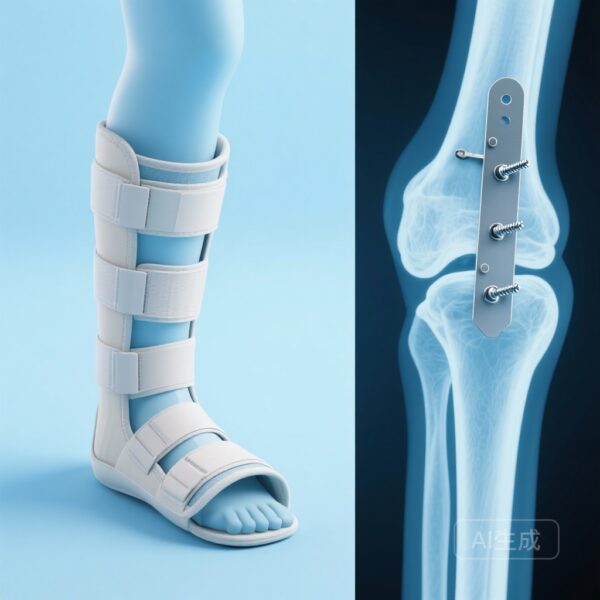
Cast Immobilization is Non-inferior to Surgery for Unstable Weber B Ankle Fractures: Results from the SUPER-FIN Trial

The SUPER-FIN randomized trial reveals that cast immobilization is a viable, non-inferior alternative to surgery for unstable Weber B ankle fractures with a congruent mortise, leading to fewer complications and avoiding unnecessary hardware

Jan 21, 2026Sign in to read
Emergency Medicine

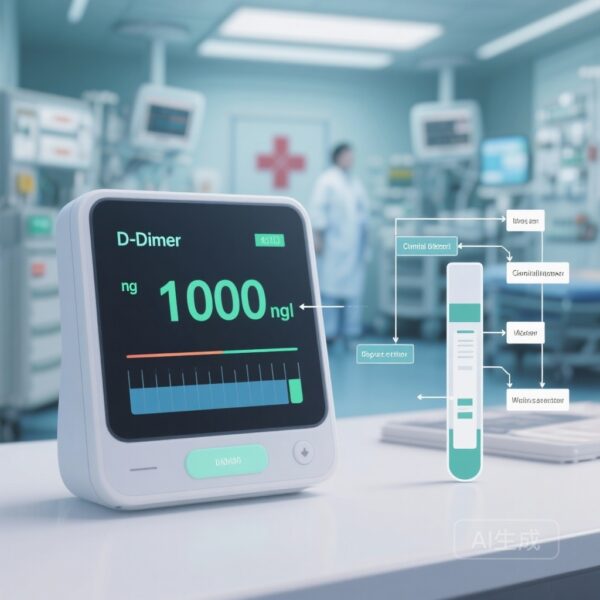
Simplifying Pulmonary Embolism Exclusion: Can One Clinical Question Safely Reduce Imaging?

A prospective multicenter study demonstrates that using a single clinical question—whether pulmonary embolism is the most likely diagnosis—to adjust D-dimer thresholds can safely reduce chest imaging by 19% in emergency departments without

Jan 14, 2026Sign in to read
Emergency Medicine

Age-Adjusted D-Dimer Cutoffs Safely Rule Out Deep Vein Thrombosis: Results from the ADJUST-DVT Trial

The ADJUST-DVT study confirms that an age-adjusted D-dimer cutoff (age × 10 µg/L) safely increases the number of patients in whom deep vein thrombosis can be ruled out without imaging, particularly benefiting patients over 75 years of age.

Jan 6, 2026Sign in to read
Cardiology

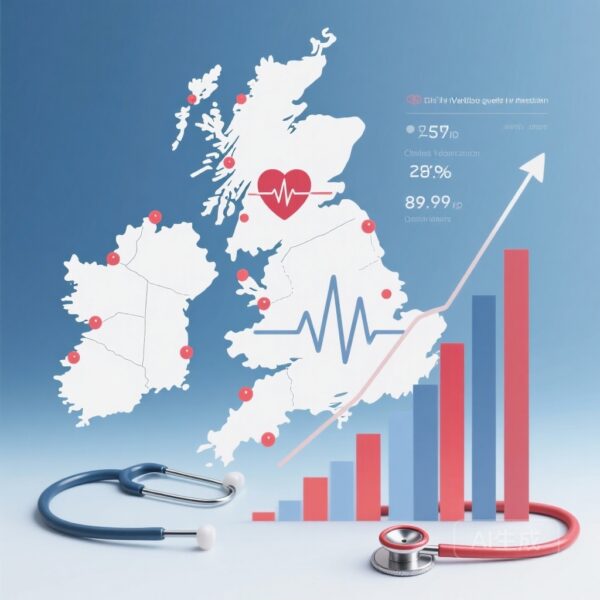
New Benchmarking Standard: Validated Risk Models for Survival and ROSC in Out-of-Hospital Cardiac Arrest

Researchers in England have developed and validated multivariable risk adjustment models for ROSC and survival following out-of-hospital cardiac arrest. These models provide a robust framework for benchmarking EMS performance and driving qu

Jan 5, 2026
Cardiology

Hypertensive Response in Advanced Conduction Disorders: A Paradoxical Marker of Haemodynamic Resilience?

Recent research reveals that nearly half of patients with high-degree AV block present with hypertension, a phenotype characterized by preserved cardiac function and higher peripheral vascular resistance, leading to better short-term clinic

Jan 3, 2026Sign in to read
Cardiology

The Price of Time: 20-Year Study Reveals Pre-Hospital Delay as a Critical Driver of STEMI Mortality

A 20-year analysis of 89,155 patients from the SWEDEHEART registry confirms that pre-hospital delay independently predicts short- and long-term mortality. Despite advances in reperfusion, women, elderly patients, and those with diabetes con

Jan 3, 2026
Previous
7 / 10
1…5678910
Next

Go deeper with MedXY AI

Explore the evidence behind the news.

Ask AI
MedXY briefing

Stay informed

Medical news and research updates, delivered to your inbox.