Critical Care
Latest news
195 articles · 20 / page

The PERT Revolution: Rising Catheter-Directed Therapy Adoption Correlates with Improved Pulmonary Embolism Outcomes
A multicenter registry study reveals that Pulmonary Embolism Response Teams (PERT) are increasingly utilizing catheter-directed therapies, particularly mechanical thrombectomy, leading to significantly lower in-hospital mortality and shorte

Restoring the Beat: How ERRγ Agonism Reverses Cardiomyocyte Subtype Conversion in Sepsis-Induced Cardiomyopathy
This study identifies oestrogen-related receptor γ (ERRγ) as a master regulator of cardiomyocyte phenotypic transitions during sepsis, offering a novel therapeutic target to restore cardiac function and improve survival in sepsis-induced ca

Routine Magnesium Replacement in the ICU: Challenging the Dogma of Tachyarrhythmia Prevention
A large-scale quasi-experimental study of over 171,000 ICU admissions found that routine magnesium supplementation for patients near institutional treatment thresholds does not reduce the risk of tachyarrhythmias, hypotension, or mortality,

Combined Multiplex PCR and Procalcitonin Strategy Fails to Increase Antibiotic-Free Days in Critically Ill Patients with CAP: Insights from the MULTI-CAP Trial
The MULTI-CAP trial demonstrated that combining multiplex PCR and procalcitonin did not significantly increase the number of antibiotic-free days by Day 28 in ICU patients with pneumonia, although it did successfully reduce the cumulative d

Refining Patient Selection for Microaxial Flow Pumps: The DanGer Shock-like Profile as a Survival Predictor in STEMI-CS
This study validates the DanGer Shock trial criteria in a real-world registry, demonstrating that patients matching the trial’s profile have significantly better survival outcomes when treated with microaxial flow pumps compared to those wh

Beyond Survival: Unpacking the Hemodynamic and Metabolic Benefits of Microaxial Flow Pumps in STEMI-Related Cardiogenic Shock
Recent substudies from the DanGer Shock trial demonstrate that microaxial flow pumps significantly improve hemodynamics, accelerate lactate clearance, and reduce vasopressor needs in STEMI-related cardiogenic shock, though sex-specific outc

Beyond the DanGer Shock Trial: Real-World Outcomes and Risk Stratification in Impella-Treated Patients
This article analyzes recent J-PVAD registry data, evaluating the real-world applicability of the DanGer shock trial criteria and prognostic factors for ECPELLA in acute myocardial infarction-related cardiogenic shock, emphasizing the neces

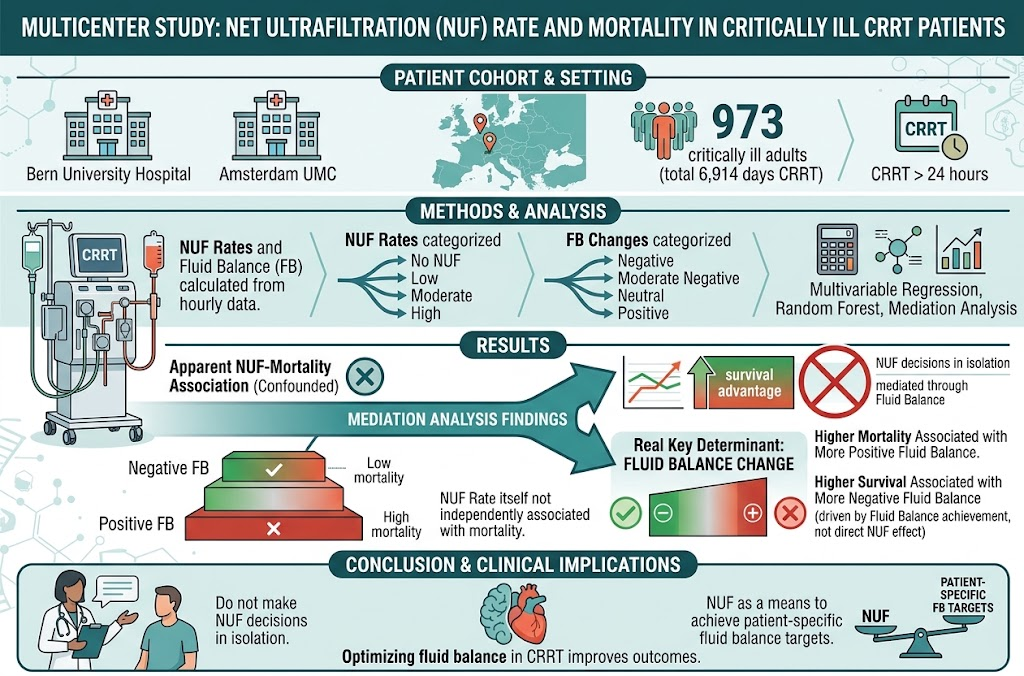
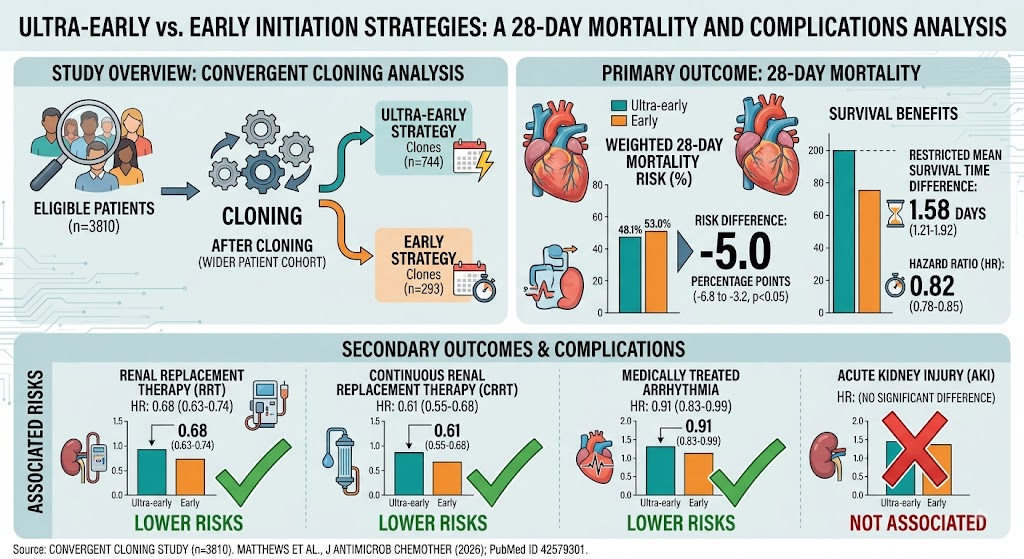
Higher Hospital-Level Utilization of Continuous Kidney Replacement Therapy Associated with Reduced Mortality in Critically Ill Patients
A large-scale multicenter study reveals that hospitals with higher utilization rates of continuous kidney replacement therapy (CKRT) achieve significantly lower 90-day mortality for critically ill AKI patients compared to low-utilization ce

Severe Acute Kidney Injury Survivors in India and Southeast Asia Face Staggering Rates of Long-Term Adverse Events
A large-scale multicenter study reveals that 46.6% of severe AKI survivors in India and Southeast Asia experience major adverse kidney events (MAKE) within two years, with mortality and new-onset chronic kidney disease being the primary dri

Kidney Replacement Therapy Independently Predicts 90-Day Mortality in Critically Ill Patients with Obesity: A 15-Year Trend Analysis
A 15-year cohort study reveals that obese ICU patients requiring kidney replacement therapy face nearly triple the mortality rate of those who do not, despite a declining trend in overall acute kidney injury incidence within this high-risk

The LVAD Paradox in Heart Transplantation: Higher Risk of Primary Graft Dysfunction, Yet Improved Survival Outcomesdszcx
A large-scale multicenter study reveals that while pre-transplant durable LVAD support increases the incidence of severe primary graft dysfunction (PGD), these patients paradoxically demonstrate significantly better survival rates compared

Beyond Chronological Age: How Frailty Dictates Survival and Functional Recovery After Out-of-Hospital Cardiac Arrest
A secondary analysis of the TTM2 trial reveals that frailty is a potent predictor of mortality and poor neurological outcomes after out-of-hospital cardiac arrest, with severely frail patients facing a 35-fold higher risk of poor functional

Norepinephrine at Extubation: Challenging the Hemodynamic Safety Paradigm in Critically Ill Patients with Obesity
A multicenter validation study confirms that low-dose norepinephrine at the time of extubation does not increase reintubation rates in patients with obesity, offering clinicians greater flexibility in weaning strategies for hemodynamically

Hemodynamic vs. Neurological Phenotypes in Adult Invasive Meningococcal Disease: Insights from the Nationwide RETRO-MENINGO Study
The RETRO-MENINGO study of 654 adults reveals that hemodynamic presentations of invasive meningococcal disease carry a five-fold higher mortality risk than neurological forms. Early parenteral antibiotic administration remains the most crit

Melatonin Does Not Prevent Delirium in the Intensive Care Unit: Insights from a Comprehensive Meta-Analysis
A recent systematic review and meta-analysis of 13 randomized controlled trials concludes that melatonin fails to reduce the incidence of delirium or mortality in critically ill patients, challenging the routine use of this supplement in th

Melatonin in the ICU Does Not Translate to Reduced Delirium Incidence
The DEMEL trial found that while 0.3 mg of melatonin achieved a superior pharmacokinetic profile over 3 mg, it failed to reduce delirium incidence or improve clinical outcomes in mechanically ventilated patients compared to placebo.

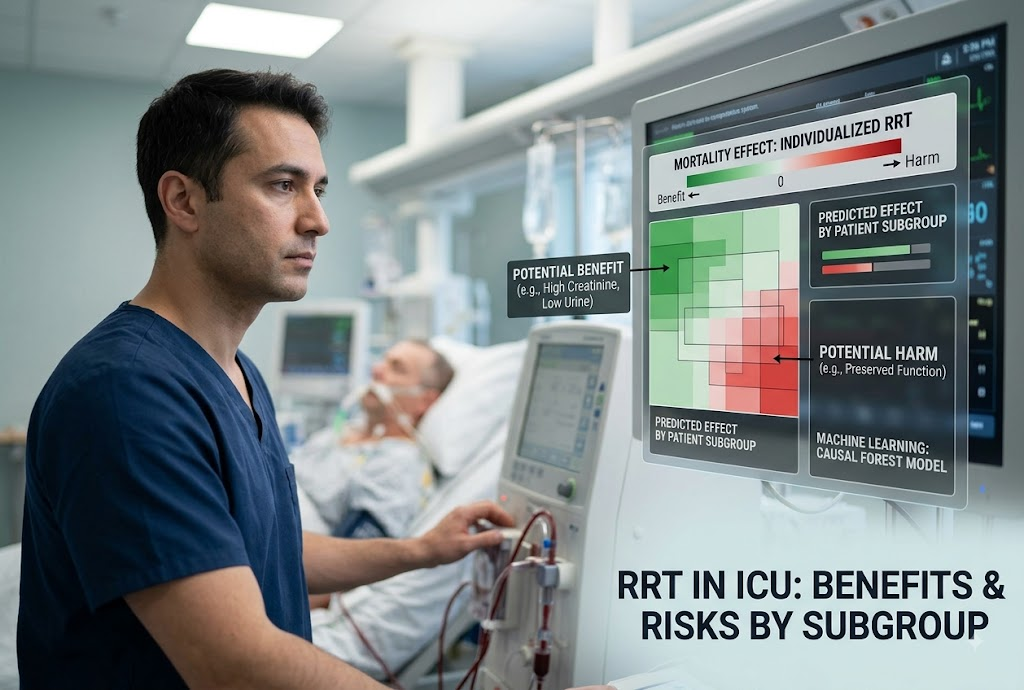
Precision Dosing in the ICU: Extended Infusions of Meropenem and Piperacillin Optimize Therapy During Renal Replacement
A large-scale multinational study reveals that meropenem and piperacillin dosing during renal replacement therapy must be tailored to RRT intensity and urine output, with extended infusions significantly improving therapeutic target attainm

The Paradox of Personalized PEEP: Why Driving Pressure-Guided Ventilation Failed to Improve Outcomes in Emergency Surgery
This article evaluates the IMPROVE-2 trial and a recent meta-analysis on driving pressure-guided PEEP. Despite physiological improvements in lung compliance, individualized PEEP failed to reduce postoperative respiratory failure in emergenc

Inflammatory Subphenotypes in COVID-19 ARDS Exhibit High Temporal Stability: Insights from the ICAR Trial
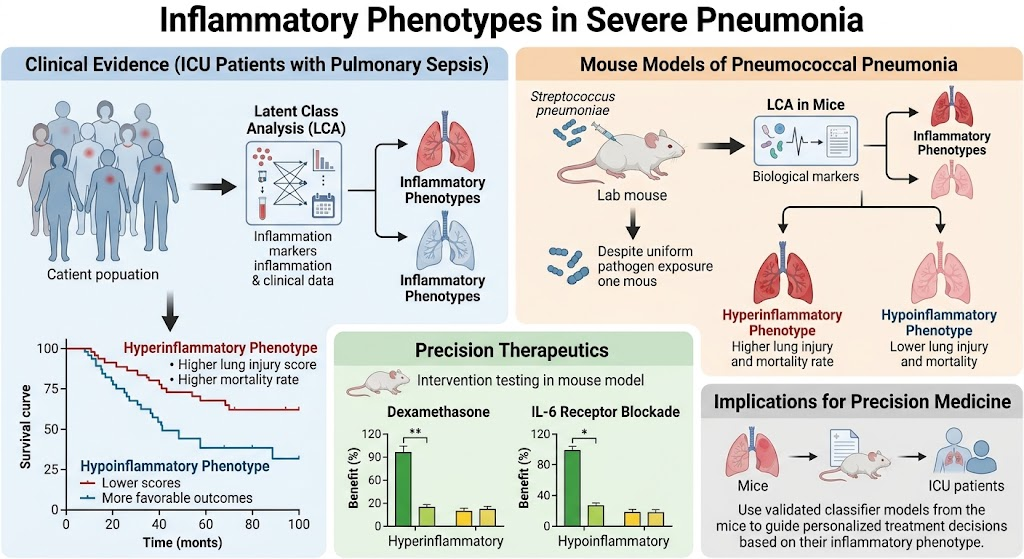
A reanalysis of the ICAR trial reveals that ARDS inflammatory subphenotypes remain remarkably stable over 28 days. The hyperinflammatory profile is linked to higher mortality and distinct biomarkers, with Bayesian modeling showing minimal t

Dynamic Phenotyping in ARDS: AI-Driven Insights Reveal Why Corticosteroid Benefits Depend on Inflammatory State
A groundbreaking study utilizing an AI classifier demonstrates that ARDS inflammatory phenotypes are dynamic and dictate corticosteroid efficacy. While hyperinflammatory patients benefit from steroids, hypoinflammatory patients face increas
Browse by specialty
Open language-specific specialty feeds and department pages.