Oncology
Latest news
826 articles · 20 / page

Long-Term Survival Milestones in Metastatic Nasopharyngeal Carcinoma: A Comprehensive Review of the 5-Year CAPTAIN-1st Data
This review analyzes the 5-year overall survival outcomes of the CAPTAIN-1st trial, establishing camrelizumab plus chemotherapy as a long-term standard of care for recurrent or metastatic nasopharyngeal carcinoma.

Precision Nutrition, Neoadjuvant Oncology, and Prehospital Analgesia: Key Clinical Milestones from the 2025 Lancet Series
This review synthesizes landmark clinical evidence regarding the nutritional adequacy of the EAT-Lancet diet, the superiority of PAXG chemotherapy in pancreatic cancer, and the efficacy of methoxyflurane for prehospital acute pain managemen

Ph+ Status and Hyperleukocytosis: Redefining CNS Relapse Risk in Adult ALL Post-Transplant
A large-scale retrospective study identifies Philadelphia chromosome positivity and high initial white blood cell counts as critical risk factors for central nervous system relapse in adult ALL patients following allogeneic HCT, suggesting

Sentinel Lymph Node Biopsy in Head and Neck Merkel Cell Carcinoma: Why High False-Negative Rates Demand Clinical Vigilance
A comprehensive cohort study reveals that sentinel lymph node biopsy (SLNB) in head and neck Merkel cell carcinoma has a sensitivity of only 52.6% and a high failure rate. The findings suggest that clinicians must reconsider management stra

Head and Neck Metastases From Infraclavicular Primary Tumors: Analysis of 136 Cases
This clinical analysis of 136 patients highlights that head and neck metastases often serve as the primary manifestation of infraclavicular cancers, emphasizing the diagnostic value of cervical lymph nodes.

Minimally Invasive Surgery Reduces Hospital Charges in Hepatopancreatic Resection: Challenging the Perception of High Robotic Costs
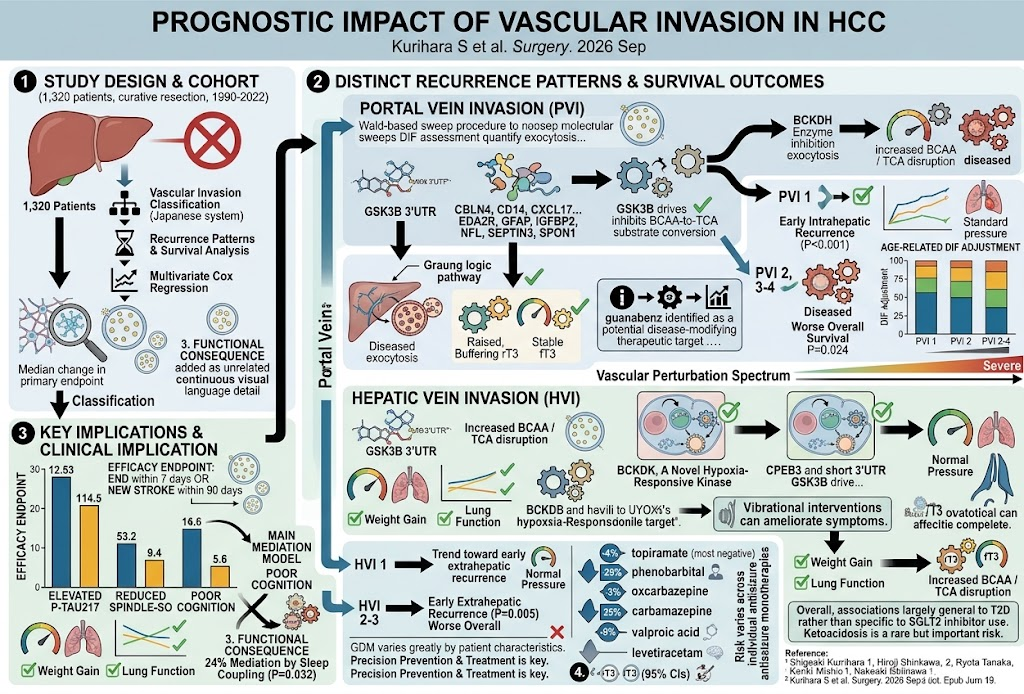
A national cohort study of 54,174 patients reveals that laparoscopic and robotic approaches for liver and pancreatic resections significantly lower hospital charges compared to open surgery, primarily by reducing complications and shortenin

The Socio-Clinical Impact of Medicaid Expansion on Pancreatic Cancer Survival: Evidence from a Multi-State Longitudinal Analysis
This review synthesizes findings on how Medicaid expansion timing influenced surgical resection rates and 2-year mortality for pancreatic cancer, revealing significant survival benefits alongside persistent socioeconomic disparities.

The Bottom-Up Revolution: How New Surgical Techniques are Saving Lives and Lifestyles in Rectal Cancer
A groundbreaking North American trial reveals that the taTME ‘bottom-up’ surgical approach for rectal cancer offers a 93.7% three-year survival rate and allows 97% of patients to remain stoma-free, fundamentally changing the landscape of pe

Prioritizing Return of Value: A Roadmap to Enhancing Biobanking Participation Among Black Women with Endometrial Cancer
This community-engaged mixed-methods study identifies critical Return of Value (ROV) elements, such as genetic insights and community health benefits, to improve biobanking engagement among Black women with endometrial cancer, offering 14 a

Mapping the Escape: How Spatial Transcriptomics Reveals the Complex Resistance Landscape in HER2-Positive Gastric Cancer
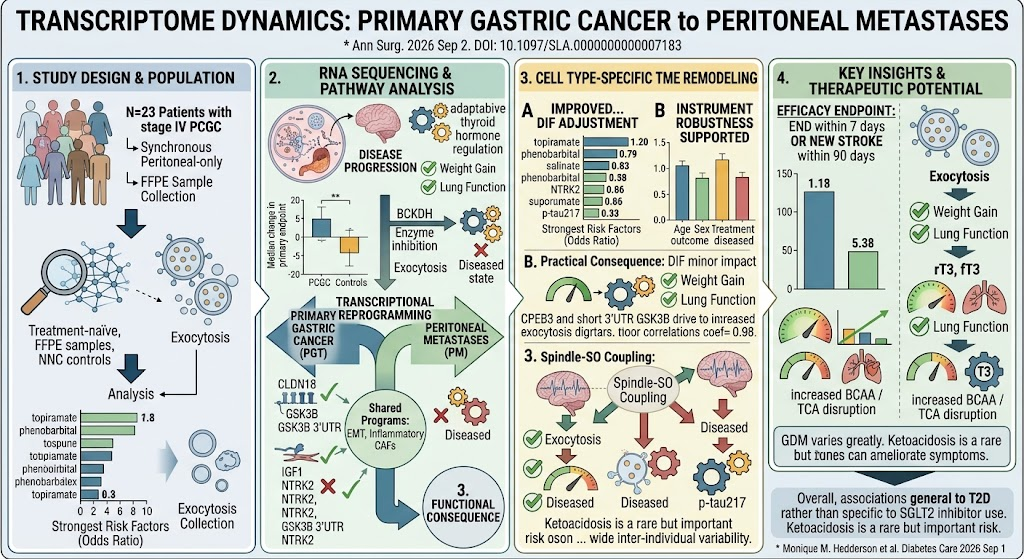
Researchers utilized spatial transcriptomics to uncover how HER2-positive gastric cancers evolve resistance to trastuzumab and T-DXd, identifying EMT, ERAD pathways, and metabolic shifts as key survival mechanisms that could inform future s

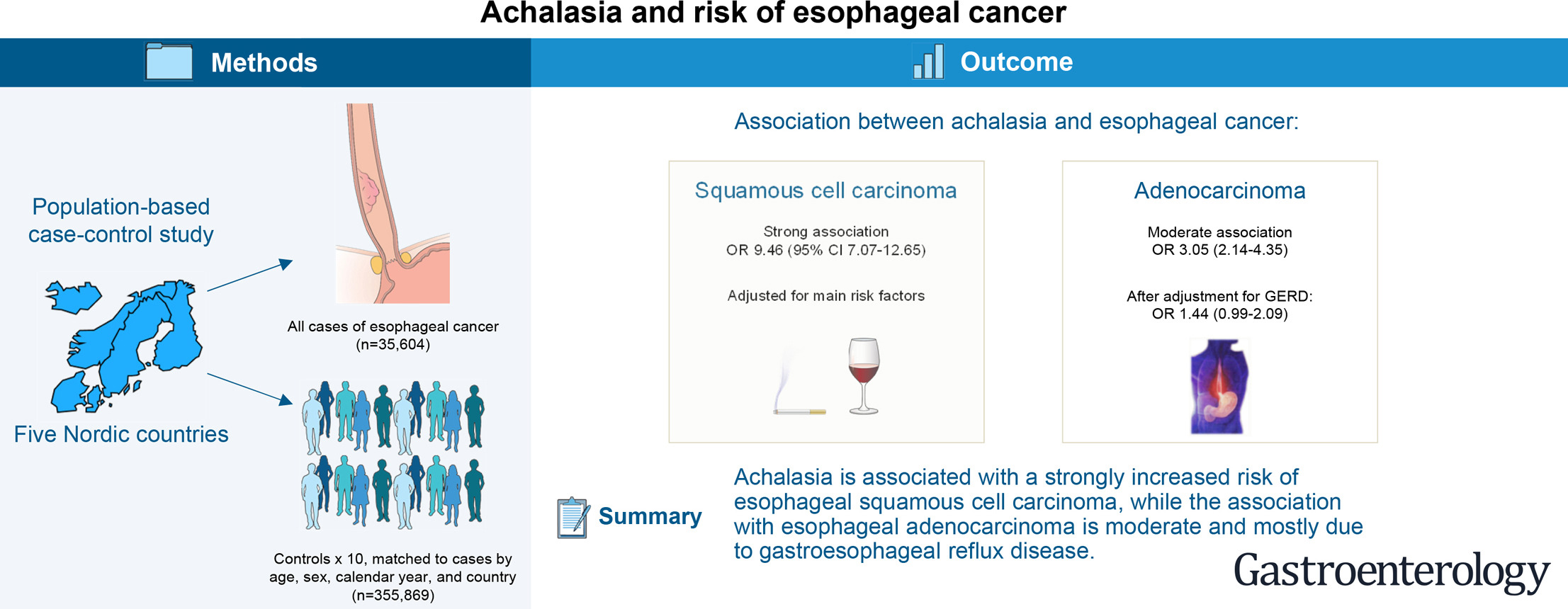
Survival Unaffected by Surgical Complications in Advanced Esophageal Cancer: A JCOG1109 Exploratory Analysis
This exploratory analysis of the Phase III JCOG1109 trial suggests that postoperative complications do not significantly impair long-term survival in patients receiving intensive neoadjuvant therapy for esophageal cancer, particularly when

Peritoneal Cancer Risk After Risk-Reducing Salpingo-Oophorectomy: The Impact of BRCA Mutational Status and STIC Lesions
This study of 1,351 high-risk women demonstrates that while risk-reducing salpingo-oophorectomy (RRSO) is effective, the presence of serous tubal intraepithelial carcinoma (STIC) at the time of surgery significantly increases the 5-year ris

The Shift Toward De-escalation: Why Radical Trachelectomy Is Losing Ground in Early-Stage Cervical Cancer
A multi-database analysis reveals a significant decline in trachelectomy utilization since 2016. With comparable 10-year survival rates between trachelectomy and conization, clinical practice is rapidly shifting toward less radical, fertili

Predictive Power of MRI-Based Radiomic Dynamics for Pathological Complete Response in Hepatocellular Carcinoma: A Deep Learning Synthesis
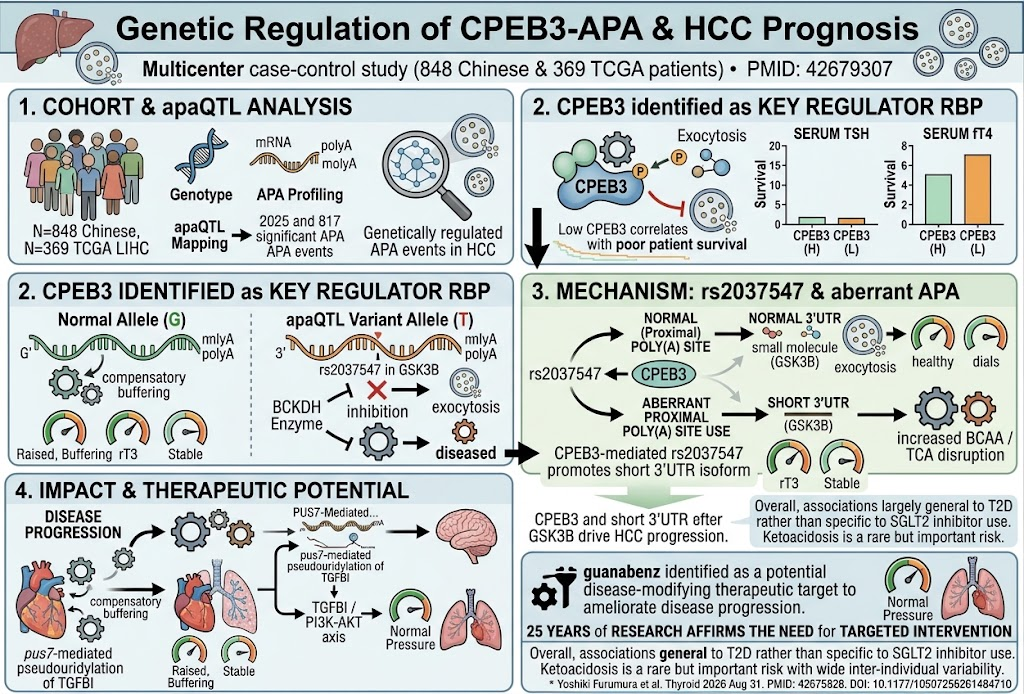
This review evaluates how deep learning-assisted delta radiomics on MRI, combined with AFP response, provides a non-invasive, high-accuracy prediction of pathological complete response in unresectable HCC undergoing conversion immunotherapy

Therapeutic Reversal of SOX9-Mediated Chemoresistance in Esophageal Adenocarcinoma via APE1-Redox Inhibition
This review details a breakthrough in esophageal adenocarcinoma treatment, identifying the APE1-SOX9 axis as a primary driver of chemoresistance and demonstrating how targeting APE1’s redox function can sensitize tumors to oxaliplatin.

Long-Term Quality of Life Is Comparable Between Active Surveillance and Surgery for Low-Risk Papillary Thyroid Cancer
A prospective cohort study reveals that patients with low-risk papillary thyroid cancer experience similar quality of life outcomes at three years whether they choose active surveillance or immediate surgery, though those who crossover to s

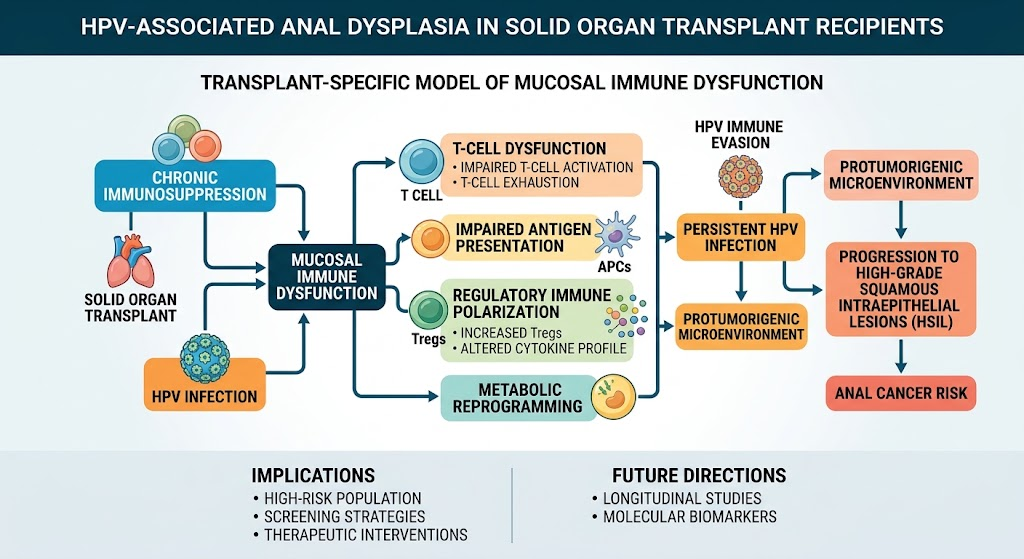
Malignancy Risk Patterns in Solid Organ Transplant Recipients with a History of Pretransplant Cancer
A large-scale cohort study reveals that solid organ transplant recipients with pre-existing cancer histories face significantly elevated risks for subsequent malignancies, particularly recurring or de novo cancers of the same type, necessit

Beyond Complexity: Why Molecular Features Still Dictate the Prognosis of Chronic Lymphocytic Leukemia
Emerging data from UK clinical trials indicate that while high genomic complexity (HGC) correlates with poor outcomes in CLL, it often serves as a surrogate for other established high-risk markers like TP53 status and telomere length.

Severe Nocturnal Hypoxemia, Not Just Obstructive Sleep Apnea, Predicts Reduced Survival in Non-Small Cell Lung Cancer Patients
The NEOSAS-GFPC study demonstrates that severe sleep-related hypoxemia is an independent predictor of increased mortality in NSCLC patients, highlighting the clinical importance of monitoring nocturnal oxygen saturation beyond traditional a

Long-Term Survival Outweighs Short-Term Quality of Life: Why Esophagectomy Remains the Gold Standard for Esophageal Cancer Responders
A decision analytical model reveals that while active surveillance offers short-term quality-of-life benefits, standard esophagectomy provides superior 5-year survival and quality-adjusted life-years (QALYs) for esophageal cancer patients a
Browse by specialty
Open language-specific specialty feeds and department pages.