Gastroenterology
Latest news
363 articles · 20 / page

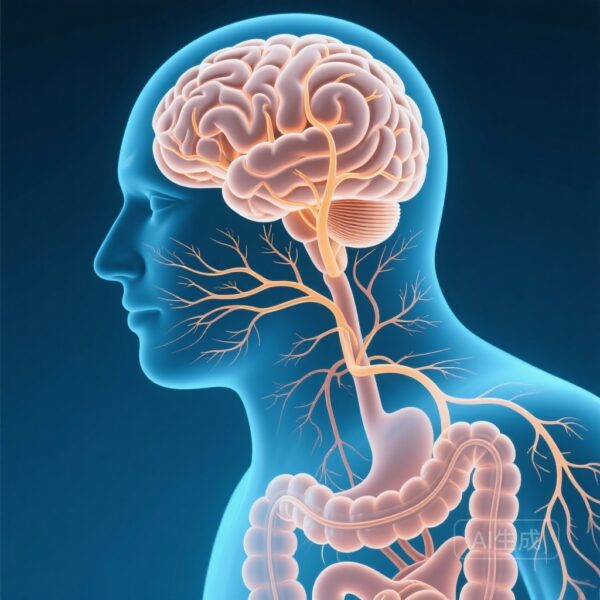
Your Gut, Your Mood: How the ‘Second Brain’ Can Beat the Blues
Explore how the gut, often called the ‘second brain,’ influences mood and mental health, and learn ways to nurture this connection for better emotional well-being.

Two Types of Intestinal Polyps with High Risk of Developing into Colorectal Cancer: Four Signs During Bowel Movements Indicating Polyps
Intestinal polyps are mucosal growths that can lead to colorectal cancer. Two types, adenomatous and familial adenomatous polyps, carry a high cancer risk. Early removal and lifestyle adjustments are key to prevention.

Recognizing Abnormal Bowel Movements: Could Intestinal Polyps Be the Cause?
Intestinal polyps are often benign but can become cancerous. This article explores symptoms, risk factors, and colonoscopy guidelines to help identify and prevent colorectal cancer.

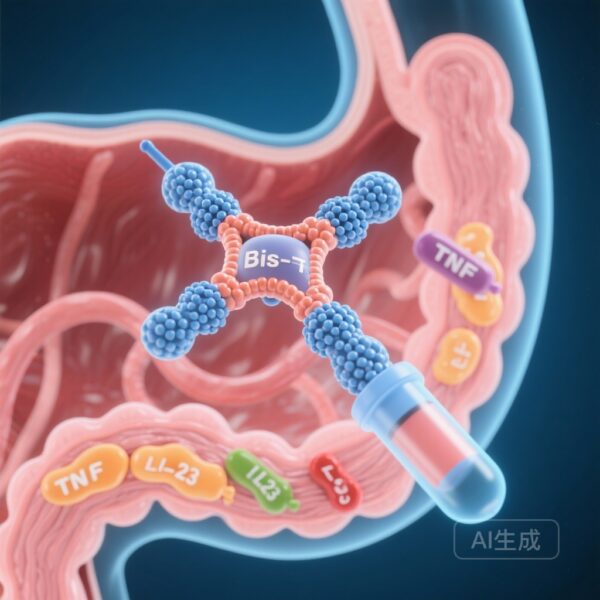
Guselkumab for Crohn’s Disease and Ulcerative Colitis: Efficacy and Safety from Recent Phase 3 Trials
Phase 3 studies demonstrate guselkumab’s efficacy and safety as induction and maintenance therapy for moderate-to-severe Crohn’s disease and ulcerative colitis, with superiority over placebo and favorable safety profiles.

Distinct Genomic Mutation Patterns in Early-Onset Colorectal Cancer: Implications for Clinical Stratification and Precision Medicine
A large international study reveals unique somatic mutation profiles and higher mutational burden in hypermutated early-onset colorectal cancer, highlighting the need for age-specific molecular diagnostics and management strategies.

Pre-emptive TIPS vs Glue Obliteration for Acute Fundal Variceal Bleeding in Cirrhosis: Key Insights from the GAVAPROSEC Trial
The GAVAPROSEC trial demonstrates that pre-emptive TIPS significantly reduces 1-year mortality and rebleeding in cirrhotic patients with acute fundal gastric variceal bleeding compared to glue obliteration plus NSBB.

EASE-CD: A Validated Endoscopic Ulcer Activity Score for Crohn’s Disease—Clinical Utility and Evidence from Randomized Trials
The EASE-CD index offers a reliable, validated, and responsive tool for quantifying Crohn’s disease ulcer activity in clinical trials and practice, improving upon prior endoscopic indices.

Efimosfermin Alfa (BOS-580) in Metabolic Dysfunction-Associated Steatohepatitis: Promising Phase 2a Results
Efimosfermin alfa, a long-acting FGF21 analogue, demonstrated a favorable safety profile and significant reductions in hepatic fat in patients with metabolic dysfunction-associated steatohepatitis (MASH) in a phase 2a randomized controlled

Targeting TL1A in IBD: Safety and Efficacy of Tulisokibart in Crohn’s Disease and Ulcerative Colitis—Emerging Phase 2 Data
Phase 2 trials show anti-TL1A antibody tulisokibart offers potential efficacy and good tolerability in refractory Crohn’s disease and ulcerative colitis, with ongoing phase 3 studies to confirm findings.

Interval Colorectal Cancer Risk and Outcomes after Positive FIT with Follow-Up Colonoscopy in Taiwan Screening Program
A Taiwanese cohort study reveals higher interval colorectal cancer incidence and mortality after follow-up colonoscopy for positive FIT compared to negative FIT, highlighting risk stratification and adenoma detection rate impact on outcomes

Efruxifermin for Compensated Liver Cirrhosis in MASH: Phase 2b Results and Clinical Implications
A phase 2b trial found that efruxifermin did not significantly improve fibrosis at 36 weeks in patients with compensated cirrhosis due to MASH, though longer-term benefit was suggested at 96 weeks.

Multidose Ondansetron After Emergency Visits: Reducing Gastroenteritis Severity in Children
A randomized trial shows that multidose ondansetron after pediatric ED visits for gastroenteritis reduces moderate-to-severe illness, though impact on vomiting duration and healthcare utilization is limited.

Two-Step Clinical Pathway for MASLD: Precision Risk Stratification of Hepatic Events Validated in a Multinational Prospective Cohort
A large, multinational cohort study demonstrates that a two-step algorithm—combining FIB-4 with VCTE—precisely stratifies MASLD patients by liver-related event risk, optimizing resource use and guiding clinical management.

Sharp Rise in Advanced Alcohol-Related Liver Disease Despite Stable Drinking Rates: Changing Population Risks Highlighted by US Data
A twofold rise in advanced liver fibrosis among US heavy drinkers over two decades is linked to increased metabolic syndrome, age, and socioeconomic risk, not higher alcohol intake.

GLP-1 Receptor Agonists and Risk of GERD in Type 2 Diabetes: Clinical Implications from a Large Population-Based Cohort Study
GLP-1 receptor agonists modestly increase the risk of GERD and its complications compared to SGLT-2 inhibitors in type 2 diabetes patients, highlighting the need for vigilant symptom monitoring.

Unraveling the Drivers of Pruritus Severity in Intrahepatic Cholestasis of Pregnancy: Insights from a Longitudinal Cohort Study
Peak bile acid levels and higher maternal BMI independently predict pruritus worsening in intrahepatic cholestasis of pregnancy, emphasizing the need for tailored monitoring and management as gestation advances.

Is There a Norovirus Vaccine on the Horizon? Scientific Progress, Challenges, and Future Directions
Norovirus vaccines show promise in clinical trials, but scientific and logistical challenges remain. No approved vaccine exists yet, though novel approaches, including oral pills, are advancing development.

Top U.S. Hospitals for Gastroenterology and GI Surgery: 2025-2026 Rankings and Clinical Implications
Mayo Clinic leads U.S. News’ 2025-2026 rankings for gastroenterology and GI surgery, reflecting excellence in outcomes, capabilities, and research. This review examines the clinical context, ranking methodology, and relevance for clinicians

Elevated Colorectal Cancer Risk in Patients with IBD and Primary Sclerosing Cholangitis: Insights from a National Swedish Cohort
Patients with inflammatory bowel disease (IBD), particularly those with primary sclerosing cholangitis (PSC) or early-onset disease, face a substantially increased risk of colorectal cancer (CRC), emphasizing the need for vigilant surveilla

Gallstones: Causes, Symptoms, and Treatment Options
Learn about gallstones, their causes, symptoms, and whether gallbladder removal is necessary. Explore preventive tips for maintaining gallbladder health.
Browse by specialty
Open language-specific specialty feeds and department pages.