Family Medicine & Nutrition
Latest news
406 articles · 20 / page

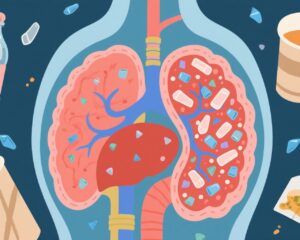
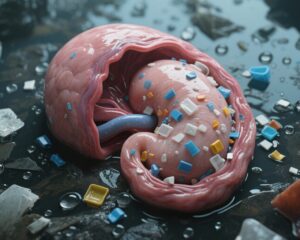
Microplastics in Our Brains: The Invisible Threat We Can’t Ignore
Recent studies reveal alarming accumulation of microplastics in human brains, urging urgent research to understand health risks. Microplastics infiltrate the body through daily exposure, potentially impairing brain function and health.

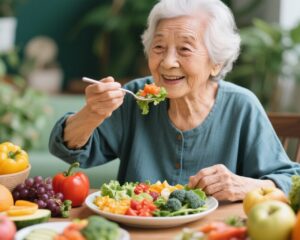
How Eating Right in Midlife Can Lead to Disease-Free Aging After 70: Insights from a 100,000-Person Study
A landmark 30-year study reveals that midlife dietary patterns strongly influence disease-free, healthy aging after 70, emphasizing the power of specific healthy diets in preventing major chronic illnesses.

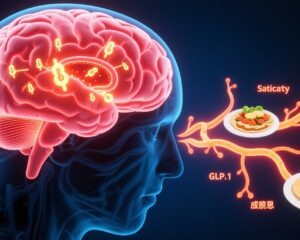
The Hidden Battle in Our Brain: Why We Can’t Resist Hedonic Eating
Discover how dopamine neurons in the brain’s reward center overpower satiety signals, driving hedonic eating even when we’re full, revealing new insights for obesity treatment.

The Science Behind Midlife Weight Gain: Why It’s Not Just About Less Exercise
Midlife weight gain, especially around the abdomen, is driven by age-related changes in fat progenitor cells, not simply reduced metabolism or exercise, revealing new insights for targeted treatments.

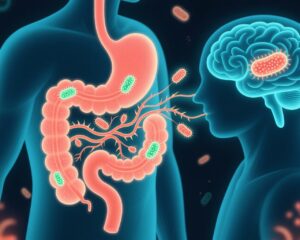
The Gut’s Sixth Sense: How Your Microbiome Quietly Controls Appetite
Recent research unveils a ‘neurobiotic sense’ in the gut that detects bacterial molecules and regulates feeding through the gut-brain axis, reshaping our understanding of appetite control.

The Hidden Toll of All-Nighters: Brain Oxidation and Mitochondrial Damage Unveiled
Exploring how sleep deprivation triggers whole-brain oxidative stress and mitochondrial dysfunction, revealing why sleep is essential for brain health and energy metabolism.

Invisible Intruders: Microplastics Found in Every Human Placenta Sample Tested
Recent research shows microplastics present in 100% of 62 human placentas analyzed, raising concerns about prenatal exposure and future health implications.

Microwaving Plastic Containers: A Hidden Source of Billions of Microplastic Particles in Your Food
Recent research reveals that microwaving plastic food containers can release billions of micro- and nanoplastic particles into food, posing potential health risks, especially to infants and young children. Understanding this silent contamin

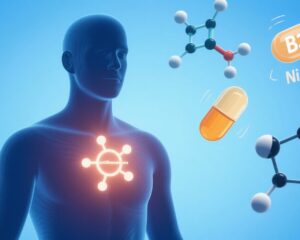
Unlocking the Body’s Natural ‘Fire Extinguisher’: How Vitamin B3 Enhances a Novel Anti-Inflammatory Molecule
A groundbreaking discovery reveals a natural anti-inflammatory molecule in the body, homocysitaconate, whose levels can be boosted by vitamin B3 supplementation, offering new hope for managing severe inflammatory diseases.

Cardiologists and Lifestyle Medicine: Bridging the Gap Between Recommendation and Practice
A recent survey reveals that most US cardiologists inconsistently adhere to lifestyle recommendations, especially dietary and physical activity guidelines, despite endorsing them for cardiovascular health.

The Surprising Exercise That Extends Lifespan Beyond Walking and Swimming
A study analyzing over 95,000 athletes reveals that racquet sports extend lifespan more than other activities, reducing mortality rates and improving cardiovascular health, brain function, and emotional well-being.

Unraveling Chronic Stress: The Role of Gut Dysbiosis and Vitamin B6 Metabolism in Stress-Related Brain Disorders Independent of Cortisol
Recent evidence reveals gut dysbiosis-induced vitamin B6 metabolic disturbances as a novel, cortisol-independent mechanism driving chronic stress-related abnormal behaviors and inflammation, highlighting probiotic and vitamin B6 supplementa

Divergent Impacts of Low- and High-Protein Fasting-Mimicking Diets on Cardiometabolic Health and Autophagy
A 7-day randomized study shows that both low- and high-protein fasting-mimicking diets improve cardiometabolic health and autophagy, with high-protein variants uniquely enhancing visceral fat reduction, lipid profiles, heart rate variabilit

Exploring the Therapeutic Potential of Betaine and Its Derivatives in Cancer Treatment: From Mechanisms to Clinical Implications
Betaine, a natural methyl donor with antioxidant and anti-inflammatory properties, demonstrates promising anticancer activity across multiple cancer types. Its derivatives and nanotechnology-assisted delivery systems enhance therapeutic eff

Beetroot Juice and Physical Performance: Population-Specific Benefits and Optimal Supplementation Strategies
Beetroot juice supplementation offers modest improvements in physical performance, enhancing muscular strength in professional athletes and aerobic endurance and lactate tolerance in healthy individuals. Acute dosing 2-3 hours pre-exercise

Enhancing Muscle Function in Older Adults: The Impact of Short-Term Dietary Nitrate Supplementation
Short-term nitrate supplementation via beetroot juice improves muscle contractile properties and reduces fatigue in older adults, with no similar benefits observed in younger individuals.

Enhancing Muscle Strength in Postmenopausal Women: Eight Weeks of Nitrate-Rich Beetroot Extract Supplementation Improves Muscle Function and Nitrate Bioavailability
Eight weeks of nitrate-rich beetroot extract supplementation significantly increases fasting nitrate and nitrite levels, improving knee extensor muscle strength and power in postmenopausal women.

Ageing, Oral Microbiome, and Vascular Health: How Dietary Nitrate Unlocks Cardiovascular Benefits
Dietary nitrate supplementation alters age-related oral microbiome changes, enhancing nitric oxide bioavailability and reducing blood pressure in older adults, highlighting a novel mechanism for vascular health improvement.

Time-Restricted Eating (16/8) Enhances Body Composition and Lipolytic Hormones in Female DanceSport Dancers Without Calorie Restriction
A 6-week 16/8 time-restricted eating program improves fat loss and lipolytic hormone levels in female DanceSport athletes without altering calorie intake, highlighting a novel dietary timing strategy to optimize body composition and lipid m

Low-Dose Caffeine Boosts Cognitive Function but Not Physical Performance in Fatigued Taekwondo Athletes: Insights from a Randomized Crossover Trial
A 200 mg caffeine dose enhances cognitive processing by reducing brain fatigue markers without improving physical performance in fatigued Taekwondo athletes. The findings underscore caffeine’s selective benefit on mental function over physi
Browse by specialty
Open language-specific specialty feeds and department pages.