Family Medicine & Nutrition
Latest news
413 articles · 20 / page

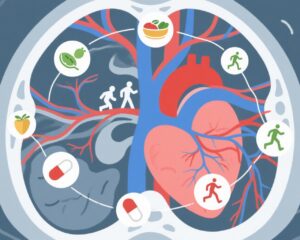
Citrate: The New Molecular Key to Reversing Vascular Aging and Combating Cardiovascular Disease
Recent research reveals that citrate, a natural compound found in citrus fruits, may significantly reverse vascular aging and reduce the risk of cardiovascular diseases by restoring mitochondrial function and vascular elasticity.

Do Active People Really Live Longer? Twin Study Reveals the Complex Truth About Exercise, Aging, and Longevity
A decades-long twin study reveals that while exercise is linked to longevity, genetics and baseline health play a crucial role, and the relationship between exercise and aging follows a U-shaped curve.

Lower Your Blood Pressure by 8 mmHg in Just 10 Minutes a Day: The Power of Isometric Exercises
Isometric exercises, a form of static muscle engagement, can lower blood pressure as effectively as some medications, offering a simple, drug-free way to protect your heart and vessels.

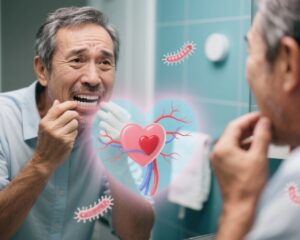
The Hidden Threat in Your Mouth: How Oral Bacteria Can Trigger Heart Attacks
New research reveals that common oral bacteria, particularly Viridans streptococci, can infiltrate arterial plaques, increasing the risk of heart attacks by triggering inflammation and plaque rupture.

CT Angiography Enhances Lifestyle and Prevention Uptake in Cardiovascular Risk Management: Insights from SCOT-HEART 2 Substudy
A nested substudy from SCOT-HEART 2 reveals coronary CT angiography modestly improves healthy lifestyle adherence, preventive therapy acceptance, and risk factor modification compared to traditional cardiovascular risk scoring in asymptomat

Is High-Temperature Cooking Carcinogenic? How to Protect Your Family’s Health in the Kitchen
Explore the science behind carcinogens formed in high-temperature cooking and learn practical tips to safeguard your family’s health without sacrificing flavor.

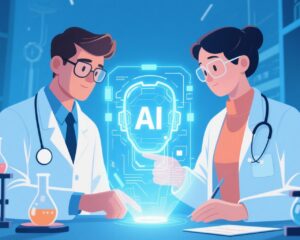
From Tool to “Thought Partner”: When Machines Begin Independent Thinking, What Does the Future Hold for Scientific Research?
A pioneering AI collaborates as a co-scientist to unravel a decade-old bacterial gene transfer mystery, signaling a transformative era where artificial intelligence becomes a creative partner in scientific discovery.

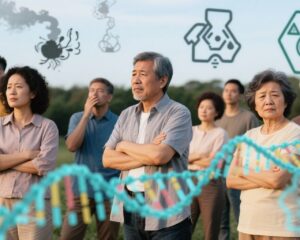
Beyond the Wrinkles: Unveiling 3 Hidden Accelerators of Aging After 50
Stanford scientists identify smoking, cadmium, and lead as major environmental factors accelerating biological aging, revealing new insights into how lifestyle and environment shape health beyond genetics.

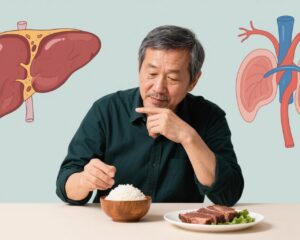
Fatty Liver Disease: Should You Cut Back on Carbs or Meat? The Science Behind Dietary Choices
Explore how carbohydrates, proteins, and fats affect fatty liver disease and learn evidence-based dietary and lifestyle recommendations to manage and reverse this common condition.

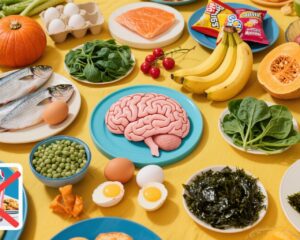
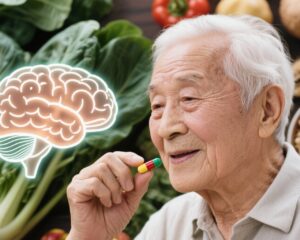
Eat Smart, Think Smarter: The Brain-Boosting Foods You Need and Those to Avoid
Discover how everyday foods can nourish your brain health and which common items may silently impair your memory and focus. Learn evidence-based dietary tips for sharper cognition at any age.

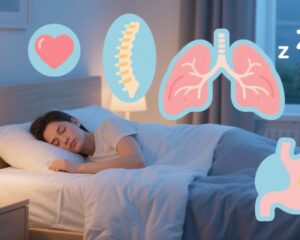
Sleep Positions: The Unsung Ally in Managing and Preventing Illness
Quality sleep rejuvenates the body and aids recovery. This article explores how sleep positions impact health, highlighting harmful postures, disease-specific recommendations, and pillow choices for better rest and recovery.

Natural Sources of Folic Acid: A Vital Nutrient 15 Times Richer Than Celery for Healthy Aging
Discover how folic acid-rich natural foods like cabbage and bok choy support immune health, slow aging, and prevent chronic diseases in middle-aged and elderly adults.

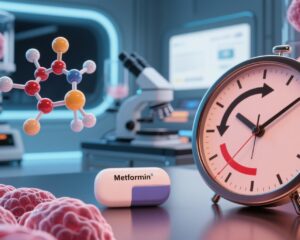
Metformin: The Surprising Anti-Aging Ally Rewinding the Biological Clock
Recent research reveals metformin’s potential to reverse biological aging by up to 20 years, igniting hope for anti-aging therapies and raising questions about its wider use.

How B Vitamins Can Slow Brain Shrinkage and Prevent Dementia?
Long-term studies reveal that proper supplementation of B vitamins can slow brain atrophy, improve cognitive function, and reduce dementia risk, especially in older adults at risk of deficiency.

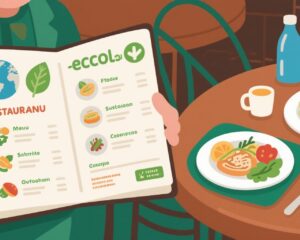
Ecolabels and the Impact on Healthfulness and Carbon Footprint of Restaurant Meal Choices: A Randomized Clinical Trial
This clinical trial found that ecolabels on restaurant menus can reduce the carbon footprint of meals without compromising nutritional quality, highlighting ecolabels as a promising low-cost strategy for sustainable dining.

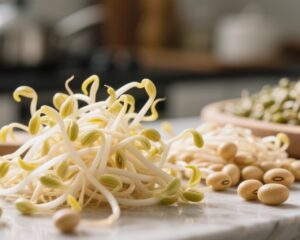
The Hidden Anti-Aging Potential of Bean Sprouts: What Science Tells Us About Niacin and Cellular Health
A new study reveals that niacin extracted from common bean sprouts may help rejuvenate aging cells by about 15%. While promising, practical intake levels remain a challenge, and comprehensive lifestyle approaches are essential for healthy a

Does Using Your Phone While Charging Increase Radiation? Unpacking the Science and Safety
Explore how phone charging affects electromagnetic radiation levels, what this means for health, and practical tips to reduce exposure while keeping your device safe.

Digital Biometric Measures in Long COVID: Insights from the STOP-PASC Randomized Clinical Trial Secondary Analysis
Wearable device data reveal distinct physiological and behavioral patterns reflecting symptom heterogeneity in long COVID, without significant differences between nirmatrelvir-ritonavir and placebo arms.

Human Telephone vs. Text Message Counseling: Increasing Physical Activity in Midlife and Older Hispanic Adults
A randomized clinical trial demonstrates that customizable SMS counseling is as effective as human telephone counseling in increasing 12-month walking activity among inactive Hispanic or Latino/a adults, offering scalable options for public

Understanding Oral Cancer: Risks, Symptoms, Treatments, and Prevention
Explore the causes, warning signs, treatment options, and preventive strategies for oral cancer, a malignant tumor commonly affecting adults aged 40 to 60. Early detection significantly improves survival outcomes.
Browse by specialty
Open language-specific specialty feeds and department pages.