Family Medicine & Nutrition
Latest news
406 articles · 20 / page

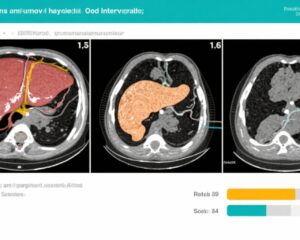
Impact of a Multifactorial Diet on ApoC-III, Ectopic Fat, and Beta Cell Function in Type 2 Diabetes: Insights from the MEDEA Study
The MEDEA randomized trial demonstrated that a multifactorial diet reduces plasma ApoC-III, correlates with decreased liver and pancreatic fat, and improves beta cell function in type 2 diabetes compared to a MUFA-rich diet.

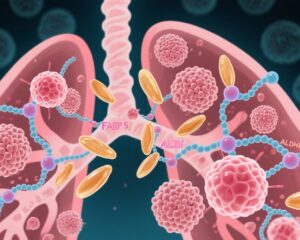
The Dark Side of Olive Oil: High-Oil Diets Promote Lung Metastasis in Triple-Negative Breast Cancer
Recent research reveals that high-fat diets rich in olive oil, while not impairing immunity, significantly promote lung metastasis of triple-negative breast cancer via a novel fatty acid-driven mechanism involving FABP5 and ALDH pathways.

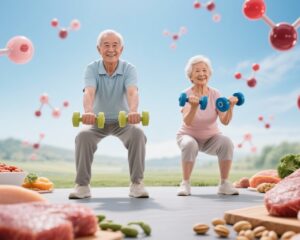
High-Protein Diet and Strength Training in Older Adults: No Adverse Impact on Oxidative Stress Markers
A 17-week randomized controlled trial demonstrates that a high-protein diet combined with strength training does not negatively affect oxidative stress markers in older adults, supporting their safe use to combat sarcopenia.

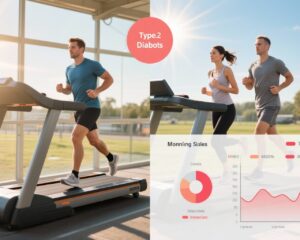
Timing Matters: Impact of Morning vs Afternoon High-Intensity Exercise on Inflammation and Glucose Control in Type 2 Diabetes
Afternoon high-intensity interval exercise improves post-exercise blood glucose and reduces inflammation more effectively than morning sessions in type 2 diabetes, highlighting circadian influences on exercise metabolism and benefits of mea

Nutritional Intervention in Chronic Heart Failure: Enhancing Functional Capacity and Nutritional Status without Major Clinical Outcome Impact
A prespecified subanalysis of the PACMAN-HF trial demonstrates that individualized nutritional interventions in chronic heart failure patients at risk of malnutrition improve nutritional status and functional capacity but do not significant

Prepregnancy Time-Restricted Eating and Exercise Training Do Not Improve Glycaemic Control in High-Risk Gestational Diabetes: Insights from the BEFORE THE BEGINNING Trial
A randomized trial investigating time-restricted eating and exercise before and during pregnancy found no significant improvement in glucose tolerance at 28 weeks gestation among individuals at elevated risk of gestational diabetes.

Dynamic Effects of Short-Term Dietary Energy Loads on Fecal Serotonin, Gut Microbiome Tryptophanase, and Energy Absorption: Insights from a Randomized Crossover Trial
Short-term alterations in dietary energy intake significantly impact fecal serotonin, gut microbiome tryptophanase activity, and energy absorption, highlighting a complex interaction that may influence metabolic health.

Early-Life Blueberry Consumption: Potential Benefits for Infant Allergy Resolution, Immune Modulation, and Gut Microbiome Development
Daily blueberry intake during complementary feeding may enhance allergy symptom resolution, favorably influence immune biomarkers, and promote beneficial gut microbiota shifts in breastfed infants, suggesting new avenues for allergy prevent

Unlocking Better Sleep: How Daily Walnut Consumption Enhances Melatonin Metabolism and Sleep Quality in Young Adults
A randomized crossover trial shows that daily intake of 40 g walnuts increases urinary 6-sulfatoxymelatonin, reduces sleep latency, and improves global sleep quality in young adults, highlighting walnuts’ potential as a natural sleep aid.

Metformin with or without Mediterranean Diet Significantly Reduces Diabetes Risk in Metabolic Syndrome: Insights from the MeMeMe Trial
The MeMeMe randomized trial shows that metformin 1,700 mg/day effectively prevents type 2 diabetes in metabolic syndrome patients, independent of Mediterranean diet adherence, with implications for age-related disease prevention.

How Micronutrients Have Shaped Human DNA: Insights from Global Genetic Adaptations
A recent study reveals how essential micronutrients like iron, calcium, and zinc influenced human evolution by driving genetic adaptations to environmental nutrient availability across populations worldwide.

The Ginger Miracle? Exploring the Anti-Aging Potential of Ginger and What the Science Really Says
Recent studies suggest a compound in ginger may clear half of aging cells in two days, but practical benefits and safety concerns warrant cautious optimism. Here’s a science-based look at ginger and aging.

Citrate: The New Molecular Key to Reversing Vascular Aging and Combating Cardiovascular Disease
Recent research reveals that citrate, a natural compound found in citrus fruits, may significantly reverse vascular aging and reduce the risk of cardiovascular diseases by restoring mitochondrial function and vascular elasticity.

Do Active People Really Live Longer? Twin Study Reveals the Complex Truth About Exercise, Aging, and Longevity
A decades-long twin study reveals that while exercise is linked to longevity, genetics and baseline health play a crucial role, and the relationship between exercise and aging follows a U-shaped curve.

Lower Your Blood Pressure by 8 mmHg in Just 10 Minutes a Day: The Power of Isometric Exercises
Isometric exercises, a form of static muscle engagement, can lower blood pressure as effectively as some medications, offering a simple, drug-free way to protect your heart and vessels.

The Hidden Threat in Your Mouth: How Oral Bacteria Can Trigger Heart Attacks
New research reveals that common oral bacteria, particularly Viridans streptococci, can infiltrate arterial plaques, increasing the risk of heart attacks by triggering inflammation and plaque rupture.

CT Angiography Enhances Lifestyle and Prevention Uptake in Cardiovascular Risk Management: Insights from SCOT-HEART 2 Substudy
A nested substudy from SCOT-HEART 2 reveals coronary CT angiography modestly improves healthy lifestyle adherence, preventive therapy acceptance, and risk factor modification compared to traditional cardiovascular risk scoring in asymptomat

Is High-Temperature Cooking Carcinogenic? How to Protect Your Family’s Health in the Kitchen
Explore the science behind carcinogens formed in high-temperature cooking and learn practical tips to safeguard your family’s health without sacrificing flavor.

From Tool to “Thought Partner”: When Machines Begin Independent Thinking, What Does the Future Hold for Scientific Research?
A pioneering AI collaborates as a co-scientist to unravel a decade-old bacterial gene transfer mystery, signaling a transformative era where artificial intelligence becomes a creative partner in scientific discovery.
Browse by specialty
Open language-specific specialty feeds and department pages.