Neurology
Latest news
636 articles · 20 / page

Candesartan 16 mg Emerges as a Robust, Evidence-Based Option for Migraine Prophylaxis
A Phase 2 triple-blind trial confirms that 16 mg of candesartan daily significantly reduces monthly migraine days compared to placebo, offering a well-tolerated oral alternative for patients with episodic migraine.

Impaired Sleep Homeostasis and Respiratory Instability: Identifying Novel Biomarkers for Sudden Unexpected Death in Epilepsy
This case-control study identifies altered slow-wave activity progression and increased respiratory variability during NREM sleep as significant biomarkers for SUDEP risk, providing a potential framework for objective clinical screening and

Remote Expertise, Local Impact: Telemedicine Models Outperform Onboard Care in Mobile Stroke Units
The MSU-TELEMED trial demonstrates that telemedicine models for Mobile Stroke Units are superior to onboard neurologist care. By dramatically improving physician resource utilization without compromising safety, telemedicine provides a more

Home-Based Gamma tACS Improves Cognitive Function and Daily Living in Alzheimer Disease: Results from a Randomized Clinical Trial
A randomized clinical trial demonstrates that home-based gamma transcranial alternating current stimulation (tACS) over the precuneus safely improves cognitive outcomes and activities of daily living in patients with prodromal and mild Alzh

Scalable Solutions for Sleep: Converging Evidence from a Nationwide RCT and Meta-Analysis Validates Digital CBT-I
This article analyzes a nationwide decentralized RCT and a systematic meta-analysis to evaluate the efficacy of digital Cognitive Behavioral Therapy for Insomnia (CBT-I), highlighting its role as a scalable, evidence-based first-line treatm

Precision Prognostics: Automated EEG Background Analysis and 2-Year Outcomes in Neonatal Hypoxic-Ischemic Encephalopathy
This article explores how automated EEG background analysis via the Brain State of the Newborn (BSN) score provides objective, early-life prognostication for neonates with HIE, significantly improving the prediction of 2-year neurodevelopme
Azathioprine in Early Parkinson’s Disease: Trial Fails Primary Endpoint but Reveals Sex-Specific Immune Signals
The AZA-PD phase 2 trial found that while azathioprine was well-tolerated in early Parkinson’s disease, it did not significantly improve gait-axial scores. However, exploratory data suggests potential motor benefits in female patients and m
The LAST-long Trial: Monthly Coordination Fails to Prevent Functional Decline in Mild Stroke Patients
The LAST-long randomized trial found that an 18-month coordinator-led multimodal intervention did not significantly prevent functional decline or dependency in patients with mild stroke compared to standard care, highlighting challenges in
Rising Hospital Mortality and Escalating Rates of Life-Sustaining Therapy Withdrawal in Critically Ill TBI Patients: A 15-Year Analysis
A 15-year observational study of over 45,000 TBI patients reveals a significant increase in hospital mortality and a tripling of life-sustaining therapy withdrawal, alongside rising rates of hypoxaemia, raising urgent questions about ethica
AI-Driven Imaging Decision Support Doubles Thrombectomy Rates in Real-World Stroke Care
A large-scale prospective study across England’s NHS reveals that AI imaging software significantly boosts endovascular thrombectomy rates for acute stroke patients. Implementation was associated with a 100% relative increase in treatment a

The SEIZURE Score Faces Global Challenges: International Validation Highlights Geographic Disparities in Predicting Encephalitis Seizures
An international evaluation of the SEIZURE score reveals limited global predictive power for acute seizures in encephalitis. While the tool performs well in Western Europe, particularly Portugal, its utility elsewhere is hampered by etiolog

High-Dose Oral Rifampin Did Not Improve Survival in Tuberculous Meningitis—HARVEST Trial Shows No Benefit and Possible Harm
A multinational randomized trial found that adding high‑dose oral rifampin (total 35 mg/kg for 8 weeks) to standard therapy did not reduce 6‑month mortality in adults with tuberculous meningitis and was associated with more drug‑induced liv

Chemoendocrine Therapy Linked to Greater Cognitive Decline in Breast Cancer Patients, Regardless of Menopausal Status
A secondary analysis of the RxPONDER trial finds chemoendocrine therapy causes more lasting cognitive impairment than endocrine therapy alone in both pre- and postmenopausal women.

Elevated Serotonin Release in Schizophrenia: New Insights Into Negative Symptom Pathophysiology
A PET imaging study reveals increased frontal serotonin release in schizophrenia, particularly in deficit type, tied to worse negative symptoms.

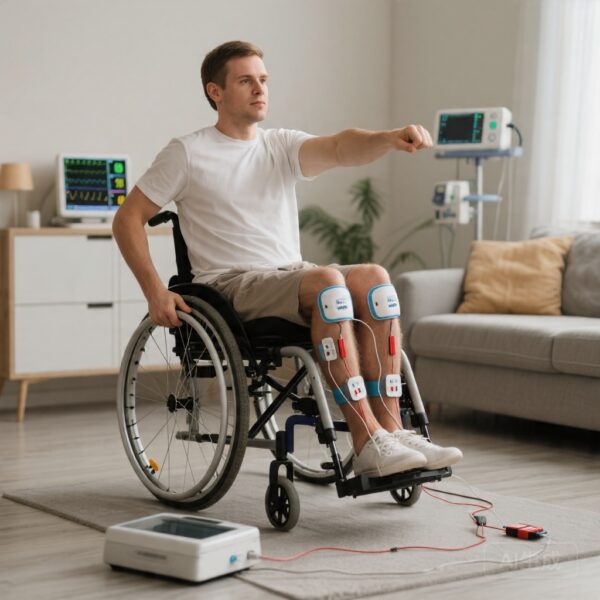
Combined Cardiorespiratory and Resistance Training After Stroke: Small Gains, Big Questions
Evidence suggests combined aerobic and strength training post-stroke yields modest improvements in fitness and function but uncertain long-term benefits.

Do Behavioural, Self-Management, and Service Delivery Models Improve Outcomes in Adults with Epilepsy?
A Cochrane review finds limited and low- to moderate-certainty evidence that behavioural, self-management, or service delivery interventions improve seizure control or quality of life in adults with epilepsy.

Omega-3 Fatty Acids Show Limited Benefits for Diabetic Peripheral Neuropathy
Current evidence suggests minimal impact of omega-3 supplementation on neuropathy symptoms or quality of life in adults with diabetes.

Limited Evidence for Behavioural and Service Delivery Interventions in Childhood Epilepsy: Urgent Need for Robust Trials
Current evidence for behavioural and service delivery interventions in childhood epilepsy is scarce and of low quality, highlighting an urgent need for rigorous, long-term trials.

Low-Dose Colchicine Reduces Myocardial Infarction and Stroke Risk in Cardiovascular Disease Patients
A large meta-analysis shows colchicine can lower MI and stroke risk without raising serious adverse events, but GI side effects remain a concern.

Acupuncture for Cancer-Related Insomnia: Limited, Low-Certainty Benefits Compared with Sham or No Treatment; Inferior to CBT‑I
A 2025 Cochrane review (5 RCTs, 402 patients, mainly women with breast cancer) finds very low- to moderate-certainty evidence that acupuncture delivers small, uncertain sleep diary benefits versus sham or inactive controls and is probably l
Browse by specialty
Open language-specific specialty feeds and department pages.