Hematology-Oncology
Latest news
316 articles · 20 / page

Allogeneic Stem Cell Transplantation After 70: Japanese Registry Data Define Who May Benefit Most
A Japanese registry study of 929 patients aged 70+ identified six predictors of worse survival after allo-HSCT and created a simple score that sharply stratified 2-year overall survival from 57.1% to 2.5%.

BRAF Mutations in AML: Rare, Biologically Distinct, and Linked to Poor Outcomes
BRAF mutations occur in about 1% of AML and are usually non-V600 variants enriched in myelodysplasia-related disease. This cohort study found poor survival and suggested that current therapies, including venetoclax-based regimens, remain in

Complement Activation May Define a Refractory Subset of Adult ITP
Complement deposition on platelets identifies a biologically distinct subset of adult ITP associated with higher platelet turnover and more first-line treatment refractoriness.

GLP-1 Receptor Agonists May Outperform Bariatric Surgery in Obese Postmenopausal Breast Cancer Patients, Study Suggests
A large real-world study found GLP-1 receptor agonists were associated with better survival and lower locoregional recurrence than bariatric surgery in postmenopausal women with obesity and breast cancer.

The Fibrinogen αC Region Promotes Arterial Thrombosis in Hypofibrinogenemia
Low fibrinogen alone did not prevent arterial thrombosis in humans or mice, but loss of the fibrinogen αC region reduced clot formation. The study suggests fibrinogen structure, not just level, influences arterial thrombotic risk.

Fludarabine Dose Intensity, Lymphodepletion Biology, and Product-Specific Outcomes in Large B-Cell Lymphoma CAR-T Therapy: Interpreting the 2026 EBMT Registry Analysis
A large EBMT registry study suggests that escalating fludarabine during lymphodepletion does not improve tisagenlecleucel outcomes in LBCL and may worsen survival, while axicabtagene ciloleucel retains superior efficacy at standard dosing b

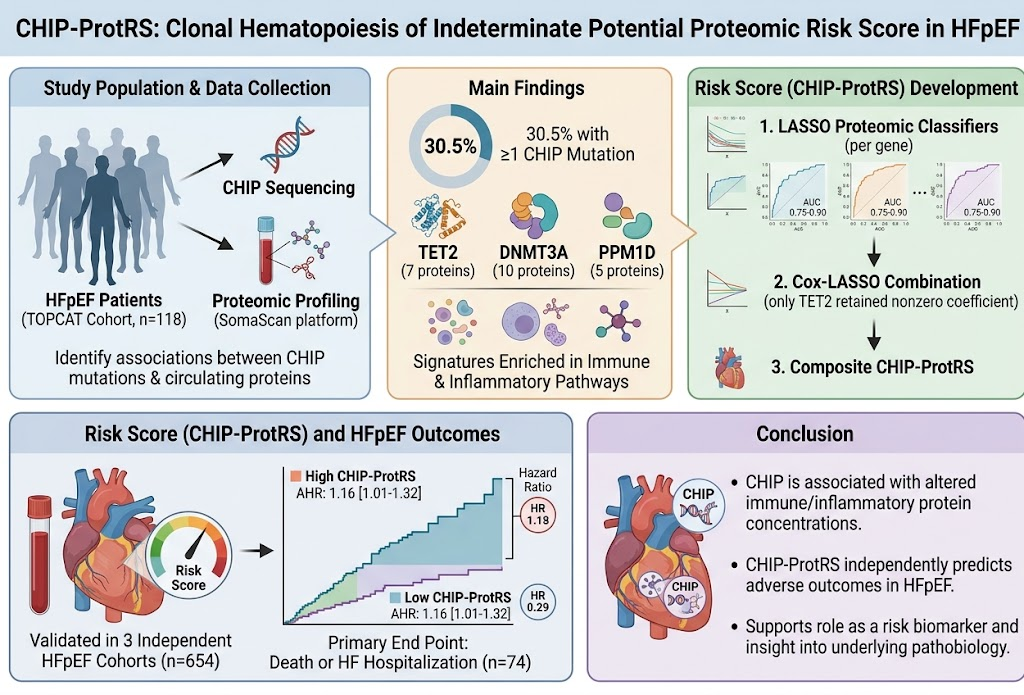
Pre-diagnostic Clonal Hematopoiesis Raises Risk of Second Cancers in Patients With Primary Cancer
Patients with primary cancer who had pre-diagnostic CHIP faced a higher risk of second cancers, especially blood cancers. The findings suggest CHIP may help identify survivors who need closer long-term monitoring.

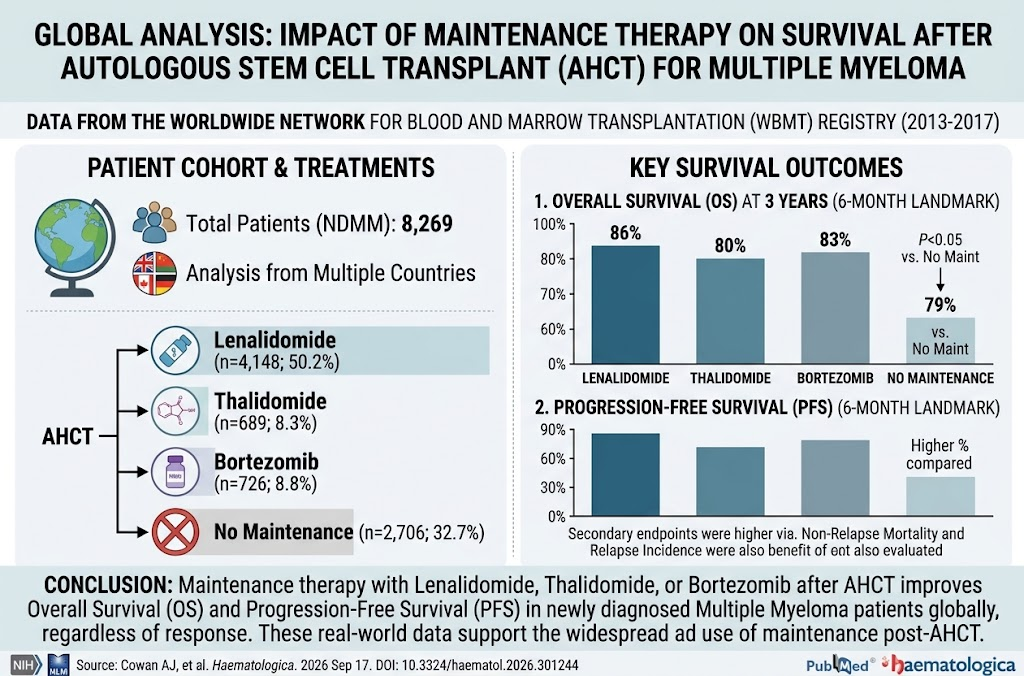
Targeting Post-Transplant Myeloid Immune Suppression in Multiple Myeloma: Why CSF-1R Blockade May Enhance Lenalidomide Maintenance After ASCT
A new Blood study links relapse after myeloma ASCT to CSF-1R+ immunosuppressive marrow macrophages and shows that CSF-1R inhibition synergizes with lenalidomide in preclinical models, providing a strong translational rationale for post-tran

First-Line Serplulimab in Extensive-Stage Small Cell Lung Cancer: Secondary Analysis of the ASTRUM-005 Phase 3 Randomized Clinical Trial
Extended follow-up from ASTRUM-005 shows serplulimab plus chemotherapy improves long-term survival in untreated extensive-stage small cell lung cancer, with manageable safety and encouraging patient-reported outcomes.

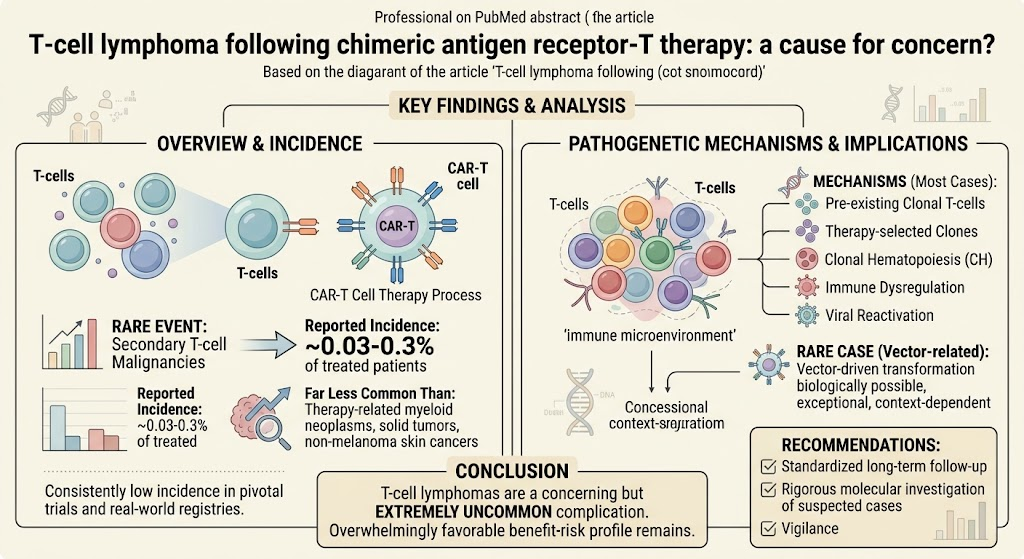
Off-the-Shelf, Non-Gene-Edited Allogeneic CD19 CAR-T Cells Show Early Feasibility in Relapsed or Refractory B-ALL
A phase 1 study suggests non-gene-edited allogeneic CD19 CAR-T therapy can induce remissions in relapsed or refractory B-ALL without observed GVHD, though durability remains limited and larger trials are needed.

Checkpoint Inhibition Is Reshaping Pediatric Lymphoma Care, Led by Breakthroughs in Hodgkin Lymphoma and Expanding into PD-L1–Positive Non-Hodgkin Subtypes
Immune checkpoint therapy has become a major advance in pediatric Hodgkin lymphoma and is now being actively tested across selected pediatric non-Hodgkin lymphomas with strong PD-L1 biology.

Loss of the Fibrinogen αC Region, Rather Than Hypofibrinogenemia Alone, Attenuates Experimental Arterial Thrombosis
Mouse and human observational data suggest that the fibrinogen αC region is a key determinant of arterial thrombosis under hypofibrinogenemic conditions, likely through platelet GPVI-dependent mechanisms.

Pilot Study: Busulfan-Based Haploidentical Stem Cell Transplantation Plus GD2 Antibody Therapy for High-Risk Neuroblastoma
A small pilot study found that busulfan-based haploidentical stem cell transplantation followed by dinutuximab beta was feasible and may improve long-term remission in very high-risk neuroblastoma.

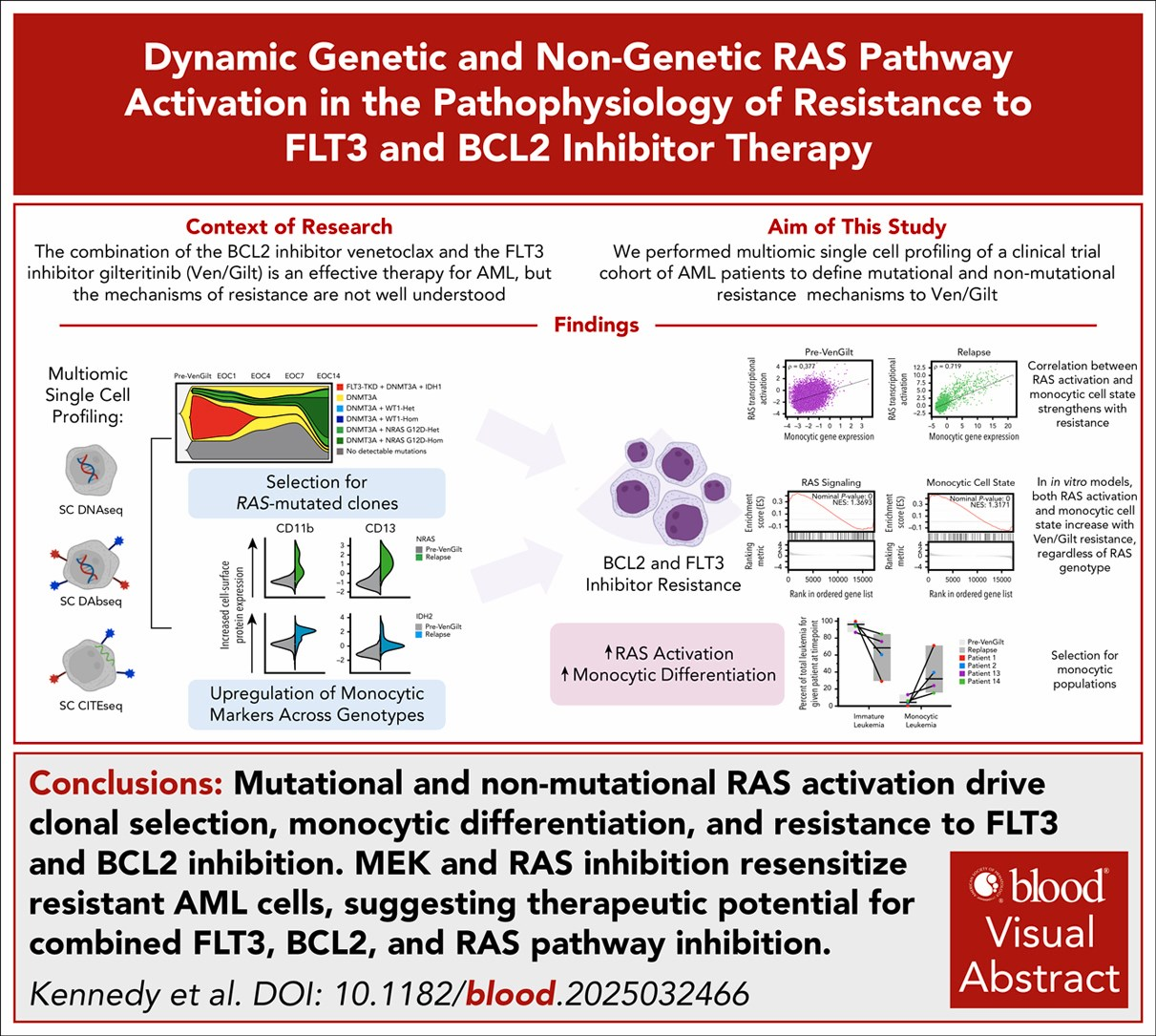
S1P Receptor Modulation Restores FLT3 Inhibitor Sensitivity in NRAS-Mutated FLT3-ITD Acute Myeloid Leukemia
Preclinical data suggest fingolimod and mocravimod can resensitize NRAS-mutated FLT3-ITD AML to FLT3 inhibitors by suppressing ERK-SPHK1-AKT signaling, including activity in patient blasts and an orthotopic mouse model.

Application of the AHA-Proposed Cancer-Related Ischemic Stroke Classification: Reclassification and Prognostic Impact
The AHA-proposed CRIS classification reclassified many cancer-associated strokes previously labeled cryptogenic and identified a subgroup with markedly worse survival, improving both etiologic clarity and prognostic stratification.

Early High-Resolution Immune Profiles Are Linked to Survival and Relapse After Allogeneic Stem Cell Transplantation
Early immune profiling after allogeneic stem cell transplant was linked to survival and relapse risk. Stronger innate and adaptive immune recovery predicted better outcomes, while certain activation and checkpoint markers were associated wi

Twice-Weekly All-Oral Ixazomib, Pomalidomide, and Dexamethasone Shows Durable Activity in Relapsed/Refractory Multiple Myeloma
A phase I/II study suggests twice-weekly ixazomib plus pomalidomide-dexamethasone is a feasible all-oral option in relapsed/refractory multiple myeloma, with a 65.8% response rate at the RP2D and manageable hematologic toxicity.

Cellular and Molecular Mechanisms of Relapse After CD19/CD22 Dual-Target CAR T-Cell Therapy in B-Cell Acute Lymphoblastic Leukemia
A study of 91 B-ALL patients found that relapse after CD19/CD22 dual-target CAR T-cell therapy is mainly driven by CAR T-cell functional failure and antigen loss, with PAX5 mutations linked to early immune escape.

Anti-CD117 Conditioning With Briquilimab Shows Feasibility and Stem-Cell Depletion in Older Adults Undergoing Allogeneic Transplant for High-Risk AML and MDS
A phase 1 trial suggests briquilimab can be safely added to nonmyeloablative conditioning before allogeneic transplant in older adults with high-risk AML or MDS, with biologic evidence of hematopoietic stem/progenitor cell depletion and enc

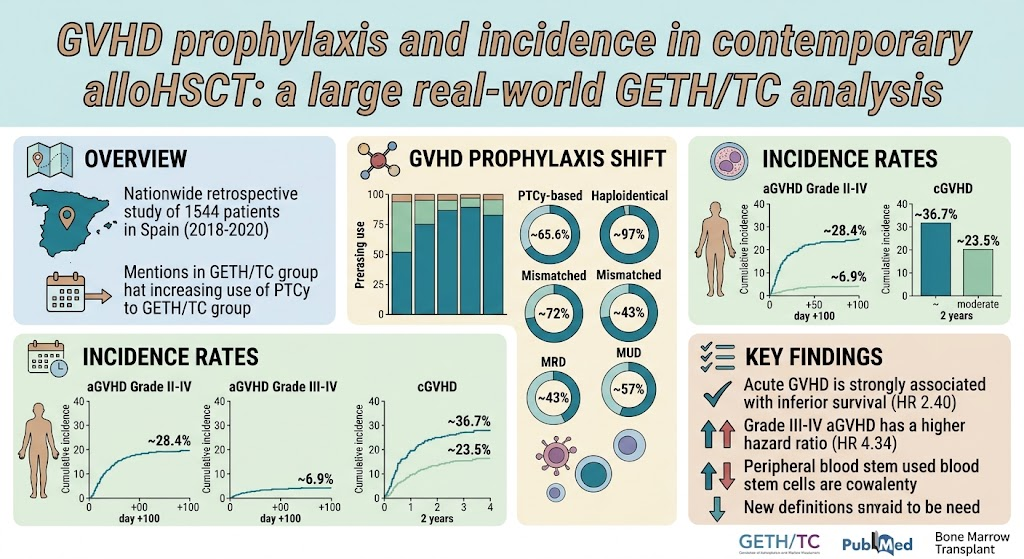
EBMT Crosses One Million Transplants as Allogeneic HCT and CAR-T Reach New Highs in European Cellular Therapy
The 2024 EBMT activity report marks a major cellular therapy milestone, showing record allogeneic HCT, continued CAR-T expansion, and persistent disparities in donor use, pediatric activity, and country-level access.
Browse by specialty
Open language-specific specialty feeds and department pages.