Rehabilitation Medicine
Latest news
43 articles · 20 / page

Integrated Strategies for Stroke Prevention and Management: From Evidence-Based Dietary Patterns to Systemic Adherence
This review synthesizes recent evidence on the neuroprotective effects of healthy dietary patterns (Mediterranean, MIND), the synergistic impact of lifestyle and pharmacotherapy (GLP-1), and systemic advances in acute stroke care and second


Exoskeleton-Assisted Therapy for Upper Limb Motor Recovery in Early Subacute Stroke: Evidence from a Multicenter Randomized Controlled Trial
A comprehensive review of a multicenter RCT (Morone et al., 2026) demonstrating that exoskeleton-based robot-assisted therapy significantly improves upper limb motor impairment and clinical outcomes in the early subacute phase of stroke rec

Gut-Muscle Axis: Roseburia inulinivorans as a Novel Mediator of Skeletal Muscle Strength and Fiber-Type Composition
This clinical update synthesizes evidence on Roseburia inulinivorans, identifying it as a species-specific gut microbe that enhances muscle strength by modulating amino acid metabolism and skeletal muscle fiber types.

Yoga Accelerates Opioid Withdrawal Recovery by Restoring Autonomic Homeostasis: Findings from a Randomized Clinical Trial
A randomized clinical trial published in JAMA Psychiatry reveals that yoga as an adjuvant to buprenorphine significantly shortens opioid withdrawal stabilization time and restores autonomic balance, offering a neurobiologically informed str

Manual Therapy Combined with Exercise for Neck Pain: An Evidence-Based Clinical Update
Systematic review evidence suggests manual therapy with exercise moderately improves function and reduces pain in chronic neck pain compared with no treatment; benefits versus placebo are less clear, highlighting need for further trials and

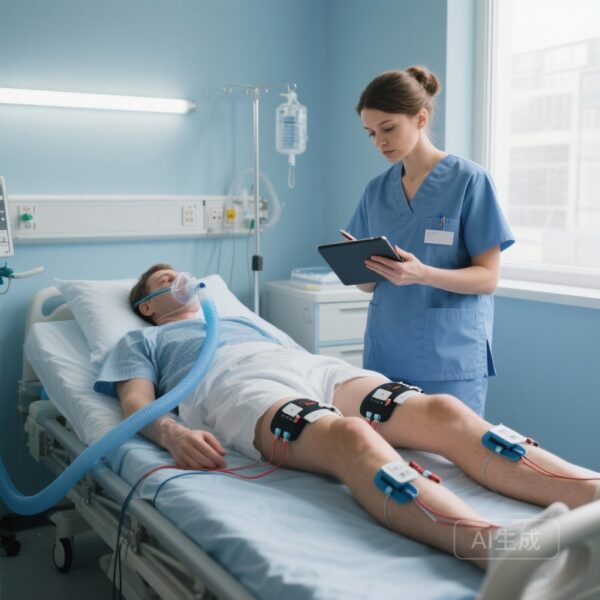
Early Neuromuscular Electrical Stimulation Plus Mobilization Improves 6‑Month Function and Quality of Life After Critical Illness
In a randomized, blinded trial of 74 mechanically ventilated ICU patients, adding early NMES to an early mobilization program started within 48 hours improved functional status, independence, mobility, and quality of life up to 6 months aft

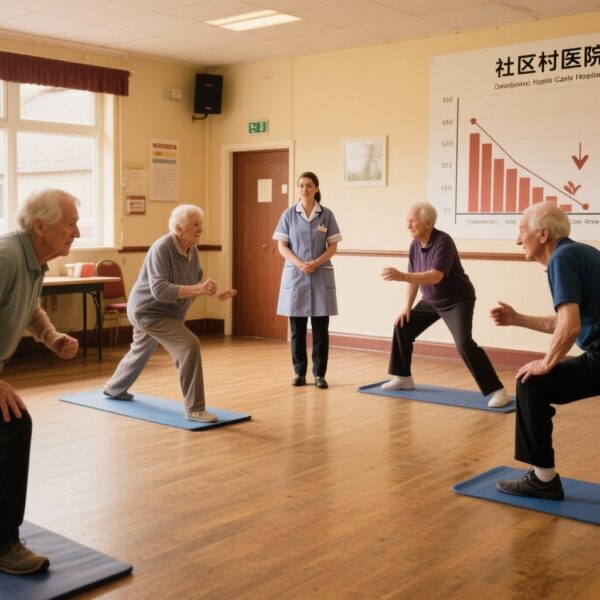
Home-Based Prehabilitation Did Not Reduce Disability or Complications in Older Adults with Frailty: Results of a Pragmatic Multicenter RCT
A pragmatic multicenter randomized trial found that coach-supported, home-based multimodal prehabilitation before elective noncardiac surgery did not reduce 30-day postoperative disability or in-hospital complications in older adults with f

Short Program, Long Gains: A 24‑Week Multicomponent Frailty Intervention Extended Disability‑Free Survival and Delivered Net Health-System Savings Over 66 Months
A 24‑week, community-based multicomponent frailty intervention in rural Korea was associated with 6.5 additional months free from death or long‑term care eligibility and ~$7,700 per-person NHIS savings over 66 months, suggesting durable cli

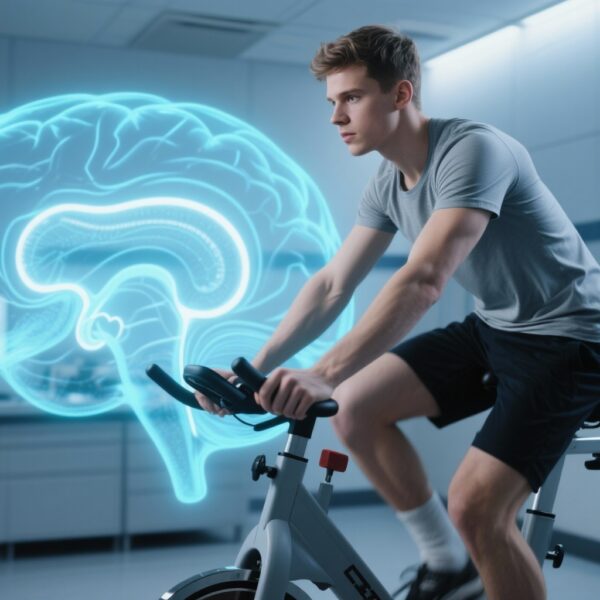
High‑Intensity Interval Training Fails to Rescue Hippocampal Integrity in Adults With Cannabis Use Disorder — but Exercise Is Feasible and May Reduce Craving
A randomized trial in adults with moderate–severe cannabis use disorder found 12 weeks of supervised HIIT did not improve a composite MRI measure of hippocampal integrity versus strength/resistance training; exercise participation was feasi

Fish-Oil Supplementation Halves Serious Cardiovascular Events in Hemodialysis Patients: Results from the PISCES Randomized Trial
A double-blind randomized trial (PISCES) found daily fish-oil (EPA+DHA) 4 g reduced serious cardiovascular events by 43% versus corn-oil placebo in patients on maintenance hemodialysis over 3.5 years.

Each Hour Sitting Counts: Sedentary Time Linked to Lower Intrinsic Capacity and Faster Decline in Older Adults
In a prospective Beijing cohort (BLINDSCE), each additional hour of daily sedentary time was associated with a 1.18-point lower baseline intrinsic capacity and a 0.48-point greater decline over 1 year, suggesting sedentary behavior is a mod

How Much Aerobic Exercise Is Enough to Reduce Depression in Patients with Chronic Illness? A Dose–Response Meta-analysis Points to an Achievable Target
A meta-analysis of 36 RCTs (n=2,500) found aerobic exercise significantly reduces depressive symptoms in people with chronic illness (Hedges’ g -0.73). A weekly dose of ≈405 MET‑min (≈120–135 min of moderate aerobic activity) reaches a mini

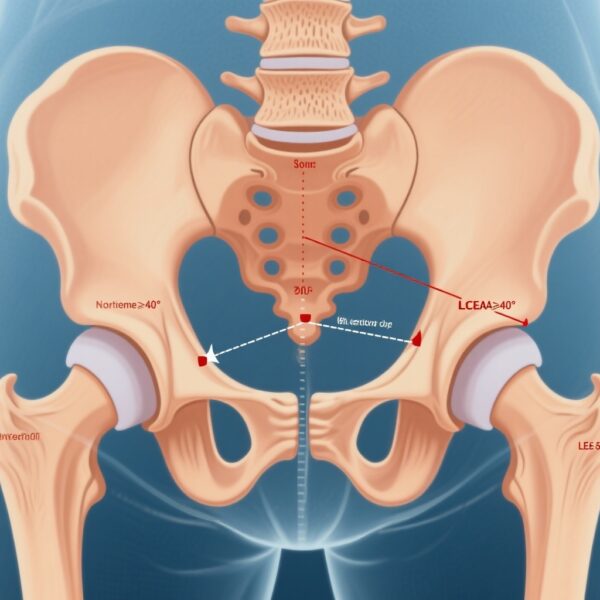
Severe Pincer Morphology Increases Odds of Radiographic Hip Osteoarthritis: Insights from 18,935 Hips in the World COACH Consortium
A pooled prospective analysis of 18,935 hips found severe pincer morphology (LCEA ≥45°) was associated with a 1.5-fold higher odds of incident radiographic hip osteoarthritis within 8 years; moderate pincer (LCEA ≥40°) showed no overall ass

Balance, Not Bedrest: Daily Movement Patterns Linked to Faster Symptom Recovery After Pediatric Concussion
Compositional analysis of the PedCARE cohort suggests that an early period of relative rest combined with above-average light and moderate-to-vigorous activity over the first two weeks is associated with lower postconcussion symptom burden

Resistance Training in the ICU Improves Muscle, Function, and Survival — HMB Adds Only Modest Benefit
A multicenter 2×2 factorial RCT in 266 critically ill adults shows that in‑ICU resistance training improves discharge physical function, muscle mass, patient‑reported outcomes, and lowers 6‑ and 12‑month mortality; HMB supplementation produ
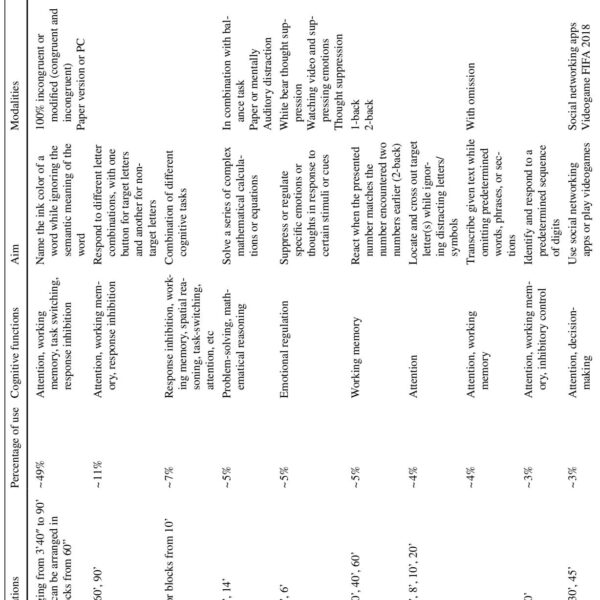
Navigating the Caffeine-Sleep Dilemma in Athletic Performance Enhancement
Caffeine boosts sports performance but may impair sleep quality, especially when consumed later in the day. Individualized strategies balancing caffeine intake and sleep hygiene can optimize athlete performance and recovery.

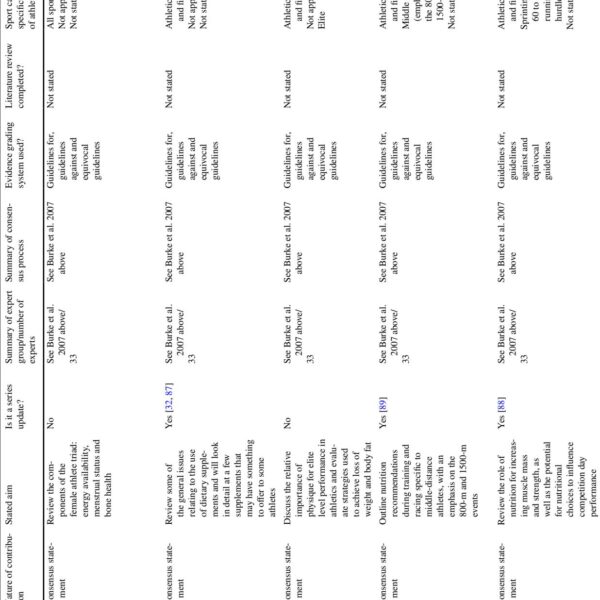
Clear, Safe, Sustainable: Expert Consensus on Dietary Strategies to Change Body Mass and Composition in Athletes (Scoping Review Summary)
A practical, evidence-focused synthesis of 73 international consensus statements and position stands (Delany et al., 2025). Key takeaways: individualise targets, protect health (EA ≥30 kcal/kg FFM/day), use gradual rates, prioritise protein

Unraveling Hamstring Injury Mechanisms and Eccentric Training Adaptations: Integrative Insights and Future Preventive Strategies
Hamstring injuries mainly occur during the late swing phase of running due to high eccentric forces and neural factors. Eccentric training reduces injury risk through complex muscle adaptations involving contractile, non-contractile, and ne

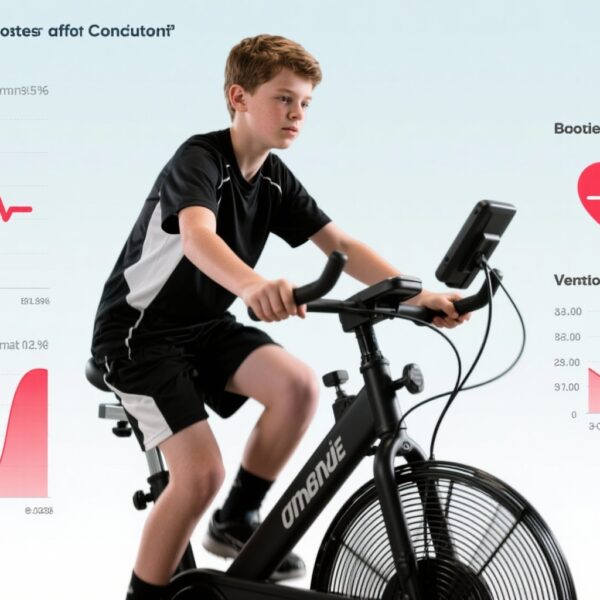
Cardiovascular and Respiratory Responses During Graded Exercise in Adolescents After Sport-Related Concussion: A Synthesis of Current Evidence
Exploring altered cardiopulmonary dynamics and exercise intolerance in adolescents post-sport-related concussion reveals attenuated cardiovascular responses independent of aerobic deconditioning, highlighting autonomic dysregulation as a ke

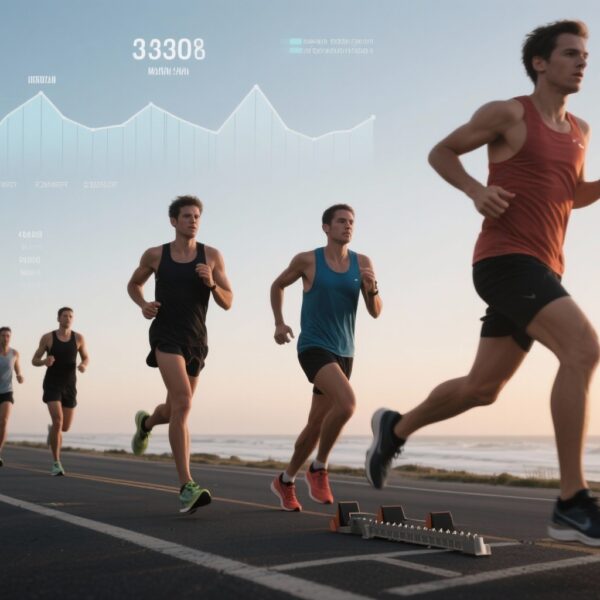
Higher Pre-Race Training Exposure but Reduced Training Frequency Associated with Faster Boston Marathon Times
In 917 Boston Marathon registrants, higher habitual running volume and more quality sessions in the year preceding the race — paired with a relative reduction in training frequency in the last four months — were associated with faster race
Browse by specialty
Open language-specific specialty feeds and department pages.