MMedXYNews
HomeVideos
© 2026 MedXY
Contact usAbout usPrivacy PolicyMedXY story
MedXY AI/MedXY News/Pathology & Lab Medicine/Bệnh học

Pathology & Lab Medicine/Bệnh học

Ask MedXY AI
What is the latest evidence?Key clinical updatesGuideline changes

Latest news

Discriminating Prion Diseases from Alzheimer’s Disease Using Plasma Biomarkers: The Crucial Role of NfL/p-tau217 Ratio
NeurologyAlzheimer's diseaseDấu hiệu sinh học huyết tương

Discriminating Prion Diseases from Alzheimer’s Disease Using Plasma Biomarkers: The Crucial Role of NfL/p-tau217 Ratio

By MedXY|Jul 14, 2026

Plasma phosphorylated tau biomarkers overlap in Alzheimer’s and prion diseases, risking diagnostic confusion. The NfL/p-tau217 ratio emerges as an accurate plasma biomarker to distinguish prion diseases from Alzheimer’s, improving diagnosti


Engineering Single-Chain Variable Fragments to Identify Pathogenic Antibodies in Heparin-Induced Thrombocytopenia
Hematology-Oncologyantibody engineeringDiagnostic accuracy

Engineering Single-Chain Variable Fragments to Identify Pathogenic Antibodies in Heparin-Induced Thrombocytopenia

By MedXY|Jul 6, 2026

Development of engineered antibody fragments enables precise detection of pathogenic antibodies in heparin-induced thrombocytopenia, improving diagnosis and understanding of this immune-mediated blood disorder.

IBDome: Integrating Molecular, Histopathological, and Clinical Data to Transform Inflammatory Bowel Disease Management
GastroenterologyHistopathologyinflammatory bowel disease

IBDome: Integrating Molecular, Histopathological, and Clinical Data to Transform Inflammatory Bowel Disease Management

By MedXY|Jul 3, 2026

IBDome offers a comprehensive multiomic atlas integrating molecular, histopathological, and clinical data, advancing the understanding and precision treatment of Crohn’s disease and ulcerative colitis.

Beyond Granulomas: Unraveling Cardiac Sarcoidosis with Spatial Proteomics
Cardiologycardiac sarcoidosisgranuloma

Beyond Granulomas: Unraveling Cardiac Sarcoidosis with Spatial Proteomics

By MedXY|Jul 1, 2026

Spatial proteomics reveals immune and metabolic heterogeneity in cardiac sarcoidosis, identifying new diagnostic protein signatures beyond granulomatous lesions.

Enhancing Triage of Non-16/18 High-Risk HPV Cervical Lesions Using FAM19A4, SOX1, and PAX1 Methylation Testing
newstriageHPV

Enhancing Triage of Non-16/18 High-Risk HPV Cervical Lesions Using FAM19A4, SOX1, and PAX1 Methylation Testing

By MedXY|Jun 25, 2026

FAM19A4, SOX1, and PAX1 methylation assays demonstrate high diagnostic accuracy for identifying CIN3+ among non-16/18 hrHPV-positive women, outperforming cytology and reducing unnecessary colposcopies.

Decoding Liver Fibrosis in MASLD: AI-Derived Collagen Phenotypes Enhance Molecular and Clinical Insights
Gastroenterologyartificial intelligencecollagen deposition phenotypes

Decoding Liver Fibrosis in MASLD: AI-Derived Collagen Phenotypes Enhance Molecular and Clinical Insights

By MedXY|Jun 25, 2026

This article explores a novel AI framework that identifies distinct collagen deposition patterns in MASLD, offering improved molecular specificity and prognostic value beyond traditional fibrosis assessments.

BRAF Mutations in AML: Rare, Biologically Distinct, and Linked to Poor Outcomes
Hematology-OncologyAMLBRAF mutation

BRAF Mutations in AML: Rare, Biologically Distinct, and Linked to Poor Outcomes

By MedXY|Jun 19, 2026

BRAF mutations occur in about 1% of AML and are usually non-V600 variants enriched in myelodysplasia-related disease. This cohort study found poor survival and suggested that current therapies, including venetoclax-based regimens, remain in

Complement Activation May Define a Refractory Subset of Adult ITP
Hematology-Oncologybệnh huyết họccomplement activation

Complement Activation May Define a Refractory Subset of Adult ITP

By MedXY|Jun 19, 2026

Complement deposition on platelets identifies a biologically distinct subset of adult ITP associated with higher platelet turnover and more first-line treatment refractoriness.

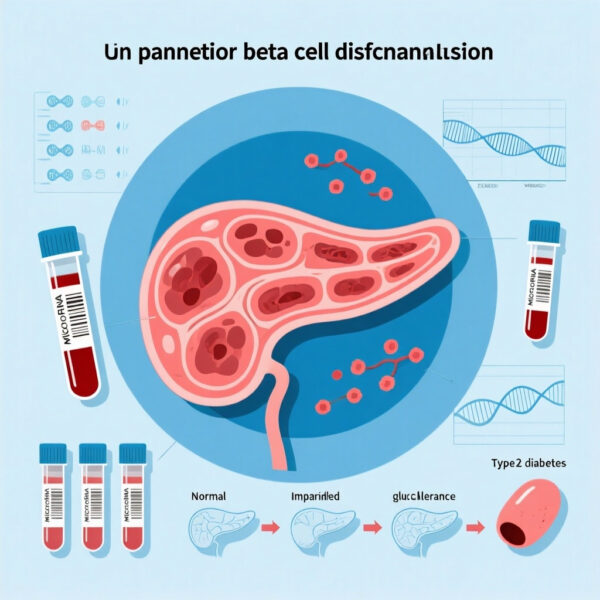
A Three-miRNA Plasma Signature May Help Detect Early Beta Cell Dysfunction Before Overt Type 2 Diabetes Progression
Diabetes & Endocrinologybeta cell dysfunctionbiomarker

A Three-miRNA Plasma Signature May Help Detect Early Beta Cell Dysfunction Before Overt Type 2 Diabetes Progression

By MedXY|Jun 10, 2026

Plasma profiling identified a three-miRNA panel associated with beta cell rate sensitivity across glucose tolerance stages, suggesting a minimally invasive approach to detect early insulin secretory decline.

A Two-Marker Plasma Model Closely Mirrors PET-Based Biological Staging of Alzheimer Disease
NeurologyAlzheimer diseaseDấu hiệu sinh học huyết tương

A Two-Marker Plasma Model Closely Mirrors PET-Based Biological Staging of Alzheimer Disease

By MedXY|Jun 7, 2026

Plasma %p-tau217 plus eMTBR-tau243 showed strong agreement with amyloid/tau PET staging, tracked clinical severity, and aligned with neuropathology, supporting a scalable blood-based approach to Alzheimer disease biological staging.

Prevalence and Clinical Characteristics of Macro-TSH in Patients with Subclinical Hypothyroidism
Diabetes & EndocrinologyLevothyroxinemacro-TSH

Prevalence and Clinical Characteristics of Macro-TSH in Patients with Subclinical Hypothyroidism

By MedXY|Jun 7, 2026

Macro-TSH was rare but clinically important in patients with subclinical hypothyroidism, sometimes mimicking true thyroid disease and leading to unnecessary levothyroxine use. Specialized testing confirmed multiple immunoglobulin-linked TSH

Pathology-Driven Epithelial Sulfide Loss Reprograms the Redox Proteome and Triggers Barrett’s Esophagus
GastroenterologyBarrett's esophagushydrogen sulfide

Pathology-Driven Epithelial Sulfide Loss Reprograms the Redox Proteome and Triggers Barrett’s Esophagus

By MedXY|Jun 5, 2026

A study shows that reflux-related sulfide loss rewires esophageal redox proteins, increases PGE2 signaling, and helps drive Barrett’s esophagus, revealing a new potential therapeutic target.

New Genetic Modifiers in Autosomal Dominant Alzheimer’s Disease Link Aβ, Tau, TDP-43, and Vascular Biology to Clinical Variability
Neurologyautosomal dominant Alzheimer’s diseasebiomarkers

New Genetic Modifiers in Autosomal Dominant Alzheimer’s Disease Link Aβ, Tau, TDP-43, and Vascular Biology to Clinical Variability

By MedXY|Jun 3, 2026

A genome-wide association study identified CNIH4, CCNG1, and RHOJ as genetic modifiers of autosomal dominant Alzheimer’s disease, with associations spanning disease risk, age at onset, fluid biomarkers, and neuroimaging phenotypes.

Early High-Resolution Immune Profiles Are Linked to Survival and Relapse After Allogeneic Stem Cell Transplantation
Hematology-OncologyAllogeneic Hematopoietic Cell TransplantationBệnh Graft-versus-Host

Early High-Resolution Immune Profiles Are Linked to Survival and Relapse After Allogeneic Stem Cell Transplantation

By MedXY|Jun 2, 2026

Early immune profiling after allogeneic stem cell transplant was linked to survival and relapse risk. Stronger innate and adaptive immune recovery predicted better outcomes, while certain activation and checkpoint markers were associated wi

Next-Generation Sequencing MRD Detection Predicts Outcomes in AML Patients Undergoing Allogeneic Stem Cell Transplantation
Hematology-Oncologyacute myeloid leukemiaallogeneic stem cell transplantation

Next-Generation Sequencing MRD Detection Predicts Outcomes in AML Patients Undergoing Allogeneic Stem Cell Transplantation

By MedXY|May 30, 2026

A low-cost NGS-based MRD test detected hidden AML cells before transplant and strongly predicted worse survival after allogeneic stem cell transplantation.

Regulatory-like FOXP3+Helios+CD4+ T Conventional Cells Correlate with T-Cell Activation After Orca-T Immunotherapy
Hematology-OncologyAllo-HSCTBệnh Bạch Cầu Tế Bào Phôi

Regulatory-like FOXP3+Helios+CD4+ T Conventional Cells Correlate with T-Cell Activation After Orca-T Immunotherapy

By MedXY|May 29, 2026

A study of leukemia patients found that Orca-T transplant therapy increases a regulatory-like CD4+FOXP3+Helios+ T-cell subset early after treatment, and this subset correlates with later T-cell activation, offering a potential biomarker for

Elevated Von Willebrand Factor and Factor VIII Show Promise as Biomarkers for Diagnosis and Monitoring of Chronic Graft-Versus-Host Disease
Hematology-Oncologybiomarkerschronic graft-versus-host disease

Elevated Von Willebrand Factor and Factor VIII Show Promise as Biomarkers for Diagnosis and Monitoring of Chronic Graft-Versus-Host Disease

By MedXY|May 27, 2026

In a prospective cohort, VWF and FVIII were significantly elevated in chronic graft-versus-host disease, tracked with disease activity, and showed moderate diagnostic performance for early cGvHD.

Self-Reinforcing IL-1β Signaling Accelerates TCF3::HLF-Positive B-ALL Development and Relapse
Hematology-OncologyB-ALLbone lesions

Self-Reinforcing IL-1β Signaling Accelerates TCF3::HLF-Positive B-ALL Development and Relapse

By MedXY|May 27, 2026

Researchers found that IL-1β signaling drives growth, relapse, and bone damage in TCF3::HLF-positive B-ALL, suggesting IL-1β blockade may offer a new treatment strategy.

Molecular and Spatial Differences in the Tumor Microenvironment of High-Grade Serous Ovarian Cancer With Short vs Long-Term Survival
newsfibroblastshigh-grade serous ovarian cancer

Molecular and Spatial Differences in the Tumor Microenvironment of High-Grade Serous Ovarian Cancer With Short vs Long-Term Survival

By MedXY|May 26, 2026

This study found that advanced high-grade serous ovarian cancers from short-term survivors had more fibroblasts and stromal invasion signals, while tumors from long-term survivors showed stronger immune pathways, suggesting the tumor microe

Circulating MicroRNA Scores May Distinguish Cellular and Antibody-Mediated Heart Transplant Rejection With High Accuracy
Cardiologyacute cellular rejectionantibody-mediated rejection

Circulating MicroRNA Scores May Distinguish Cellular and Antibody-Mediated Heart Transplant Rejection With High Accuracy

By MedXY|May 25, 2026

A prospective multicenter study found circulating microRNA rejection scores identified ACR and AMR with strong diagnostic performance and prognostic value, supporting their development as noninvasive tools to reduce reliance on surveillance

Prev
2 / 3
123
Next
Ask MedXY AI

Most popular

Intimate Health
Five Benefits for Women Continuing Sexual Activity After Menopause
Intimate Health
Why Some Women Have a Strong Sex Drive—And Why Men Shouldn't Worry About It
Nursing & care
How often should a couple have sex?
Cardiology
Precision Medicine for Long QT Syndrome Type 2: Lumacaftor Corrects Trafficking Defects and Shortens QT Interval
General Surgery
Optimizing Postoperative Opioid Prescriptions After Intra-Abdominal Cancer Surgery: Comparing the 5x-Multiplier and 3-Tier Models

Browse by specialty

Open language-specific specialty feeds and department pages.

news7402 articlesCardiology1459 articlesClinical Updates1386 articlesOncology1266 articlesDiabetes & Endocrinology934 articlesNeurology896 articlesPublic Health645 articlesGastroenterology629 articles
Hematology-Oncology
564 articles
Pediatrics541 articles
Internal Medicine486 articles