Pathology & Lab Medicine
Latest news
69 articles · 20 / page

Assessing the Impact of Proactive Home Fecal Calprotectin Monitoring in Ulcerative Colitis: Insights from a Prospective RCT
A multicenter RCT shows proactive home fecal calprotectin monitoring without protocolized treatment escalation does not reduce symptomatic flares in ulcerative colitis remission. More research is needed to optimize biomarker-guided manageme

Donor-Derived Cell-Free DNA as a Prognostic Biomarker in Severe Cardiac Allograft Rejection: From Detection to Risk Stratification
Recent heart-transplant studies show donor-derived cell-free DNA not only detects rejection but also predicts mortality and persistent graft dysfunction, especially when elevated at diagnosis. Evidence supports a shift from binary surveilla

Blood DNA Methylation Maps Atherosclerosis Across Vascular Beds: Strong Signals, but Mostly a Record of Cumulative Risk Exposure
In 2 prospective cohorts, blood DNA methylation was associated with carotid, coronary, and peripheral atherosclerosis, but most signals overlapped with smoking and cardiometabolic risk factors rather than vessel-specific biology.

Transformative Survival Gains in Cystic Fibrosis: A Population-Level Evaluation of CFTR Modulator Therapy Effectiveness
A large-scale retrospective study using US CFF Registry data reveals that CFTR modulator therapy reduces the hazard of death by 66% over an eight-year period, marking a significant milestone in cystic fibrosis clinical outcomes and life exp
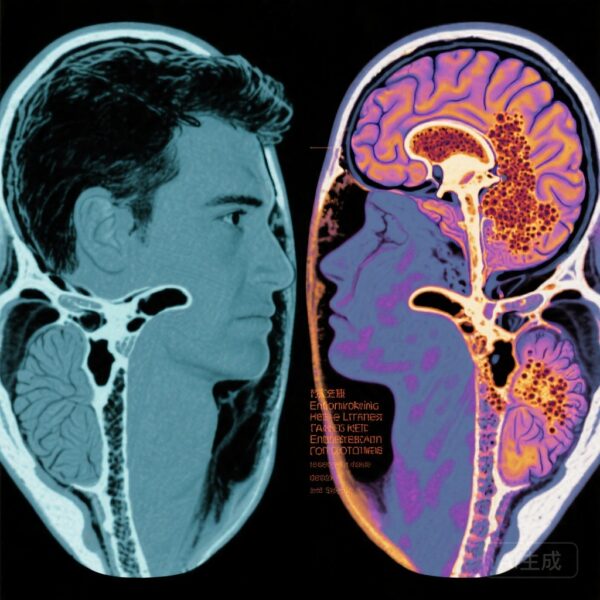
Women’s Elevated P-Tau217 Levels and Faster Cognitive Decline: Implications for Preclinical Alzheimer’s Disease
Women with high amyloid-β show higher p-tau217 levels and faster tau accumulation than men, leading to greater cognitive decline. This sex-specific tau response may redefine preclinical Alzheimer’s diagnostics and therapeutics.

Sex-Specific Differences in P-Tau217 and Tau Aggregation: Implications for Preclinical Alzheimer’s Disease
Women exhibit higher plasma p-tau217 levels and tau aggregation than men in amyloid-positive individuals, suggesting sex-specific pathways in Alzheimer’s disease progression.

Selective vs. Universal NGS in Endometrial Cancer: A Cost-Efficiency Breakthrough
A new study reveals that selective molecular profiling with MMR/p53 IHC followed by NGS for p53-abnormal tumors is more cost-efficient than universal NGS for advanced endometrial cancer, reducing unnecessary testing by 57%.

Precision Blood-Based Diagnostics for Alzheimer’s Disease: The Synergistic Role of Plasma p-tau217 and eMTBR-tau243
This review synthesizes recent clinical evidence on the integration of plasma p-tau217 and eMTBR-tau243, highlighting how sequential biomarker testing improves the diagnosis of symptomatic Alzheimer’s disease and predicts longitudinal cogni

Decoding Dementia in Lewy Body Disease: The Interplay of Quantitative Pathology, APOE Genotype, and Disease Heterogeneity
Recent advances in digital pathology and machine learning reveal that APOE ε4 promotes proteinopathy and modifies dementia thresholds, while multi-modal trajectories suggest distinct pathways for disease progression in Lewy body disease.

Closing the Genomic Gap: Strategies to Enhance Biobanking Participation Among Black Women with Endometrial Cancer
This review analyzes community-validated strategies to improve biobanking engagement among Black women with endometrial cancer, highlighting return-of-value, transparency, and trust-building as essential components for reducing health dispa

Natural History of Patients With Histologically Proven Acute Eosinophilic Myocarditis
This article explores a major international study of 156 acute eosinophilic myocarditis patients, revealing high mortality rates, the diagnostic necessity of endomyocardial biopsy, and the critical survival benefit of early immunosuppressiv

Improving Survival in Advanced Proliferative CMML: The Prognostic Impact of Stringent Cytoreduction and Novel Flow Cytometric Biomarkers
This review examines the impact of myeloproliferative control on survival in advanced CMML, highlighting the prognostic value of stringent cytoreduction and novel flow cytometric biomarkers such as classical monocytes and immature granulocy

Targeting the Glycan Signature: Oncofetal Chondroitin Sulfate as a Selective Vulnerability in Acute Myeloid Leukemia
This review explores oncofetal chondroitin sulfate (ofCS) as a revolutionary AML target. Unlike traditional antigens, ofCS is absent in normal bone marrow, allowing antibody-drug conjugates to eliminate leukemia cells with minimal hematotox

Precision Oncology Meets Artificial Intelligence: Navigating Ancestry-Associated Variability in Digital Pathology for EGFR Prediction
This review evaluates the generalizability of AI pathology models in predicting EGFR mutations, highlighting significant performance variations across genetic ancestries and specimen types, and their role in clinical triage.

Preoperative ctDNA Detects Occult Nodal Metastasis and Predicts Recurrence in Early-Stage Esophageal Squamous Cell Carcinoma
A multi-center study demonstrates that preoperative ctDNA detection significantly outperforms traditional clinical criteria in predicting nodal upstaging and survival outcomes for patients with clinical stage I/II ESCC, potentially redefini
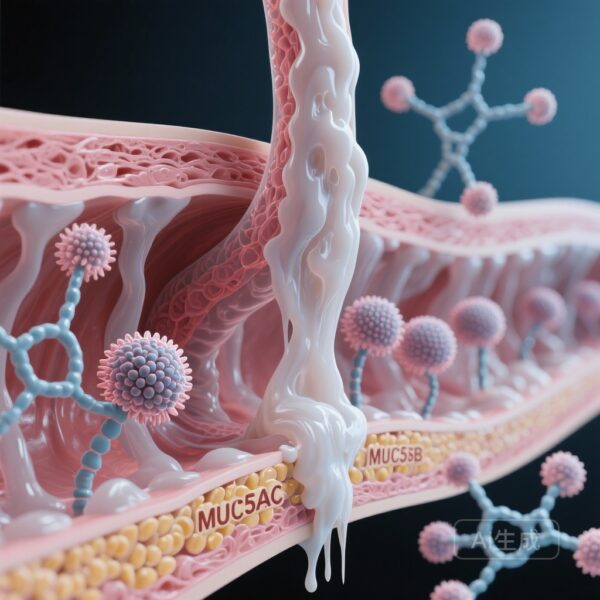
Beyond Concentration: The MUCQ Score Redefines Chronic Bronchitis Identification
Researchers introduce the Mucin Quantitative Score (MUCQ), a novel metric combining mucin concentration and composition. Validated in the SPIROMICS cohort, MUCQ outperforms traditional total mucin measurements in identifying chronic bronchi

NT-proBNP-Defined Heart Stress: A New Compass for Individualized Blood Pressure Targets in Older Adults?
A post hoc analysis of the ASPREE trial reveals that heart stress, measured by NT-proBNP, significantly alters the relationship between blood pressure and cardiovascular risk in older adults, suggesting a paradigm shift toward biomarker-gui

Postoperative Lymph ctDNA Outperforms Plasma in Predicting Early Recurrence of HPV-Independent Head and Neck Cancer
Research identifies postoperative lymphatic exudate as a superior source of ctDNA for detecting molecular residual disease in HPV-independent head and neck cancer. This proximal liquid biopsy significantly outperforms plasma in predicting l

FET-rearranged Myoepithelial Tumors: Why Epigenetics Demands a Shift from Carcinoma to Sarcoma Classification
A landmark study reveals that FET-rearranged myoepithelial tumors are epigenetically distinct from PLAG1-rearranged salivary and adnexal variants, suggesting they are closer to sarcomas than carcinomas, with significant clinical implication

Precision Post-CDK4/6i Management: Molecular Stratification Redefines Second-Line Therapy in HR+ Advanced Breast Cancer
This systematic review and network meta-analysis of 20 randomized trials demonstrate that molecular profiling for ESR1 and PI3K-AKT-PTEN alterations is essential for optimizing endocrine-based strategies after CDK4/6 inhibitor progression,
Browse by specialty
Open language-specific specialty feeds and department pages.