Pathology & Lab Medicine
Latest news
69 articles · 20 / page
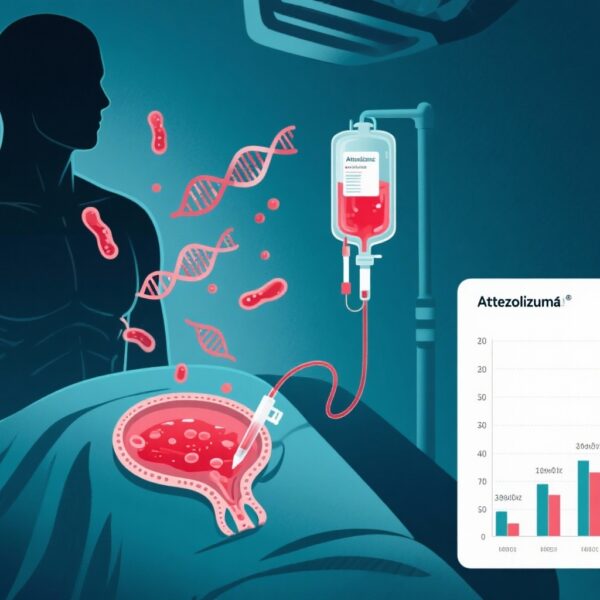
ctDNA-Guided Adjuvant Atezolizumab in Muscle-Invasive Bladder Cancer: Translating Precision Oncology into Improved Outcomes
This review synthesizes pivotal evidence from the IMvigor011 trial demonstrating that ctDNA-guided adjuvant atezolizumab significantly improves disease-free and overall survival in muscle-invasive bladder cancer, enabling risk-adapted immun
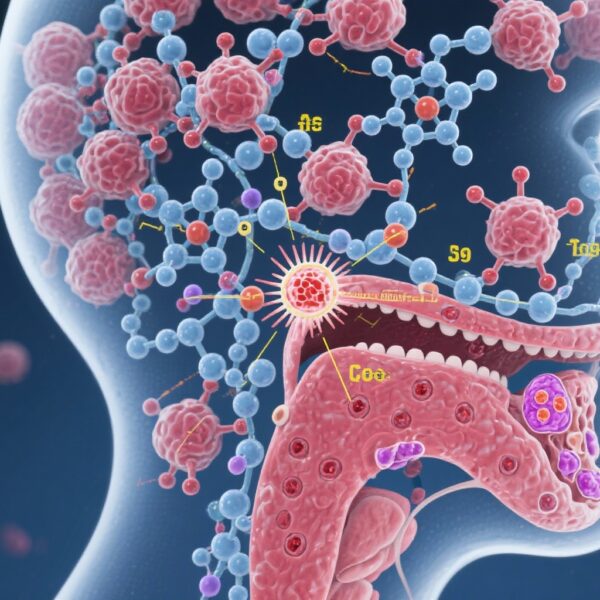
Harnessing Cancer-Testis Antigens for Precision Immunotherapy in Head and Neck Cancer
This study identifies specific cancer-testis antigens (CTAs) as promising targets for personalized immunotherapy in head and neck squamous cell carcinoma (HNSCC), validated across multiomic datasets to enhance therapeutic precision.
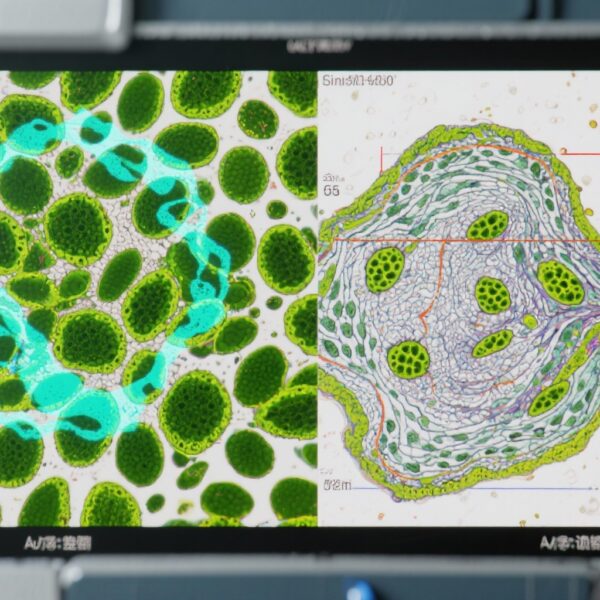
Enhancing Melanoma Prognosis: AI-Driven Quantification of Tumor-Infiltrating Lymphocytes Outperforms Traditional Pathology
This study demonstrates that an AI algorithm provides more reproducible and prognostically relevant assessment of tumor-infiltrating lymphocytes in melanoma compared to traditional pathologist methods, offering a promising tool to improve c
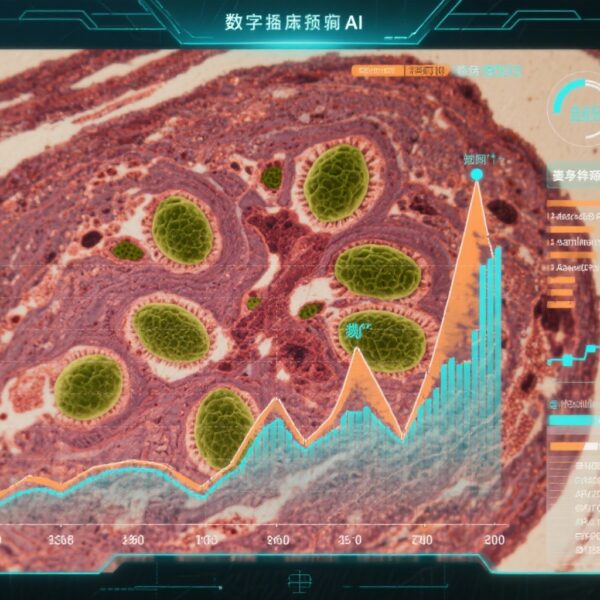
Artificial Intelligence-Detected Tumor-Infiltrating Lymphocytes as a Biomarker in Anti-PD-1-Based Therapy for Advanced Melanoma: Clinical Evidence and Translational Perspectives
AI-detected tumor-infiltrating lymphocytes on routine histology independently predict response and survival in advanced melanoma treated with anti-PD-1 therapies, outperforming manual scoring and offering an accessible biomarker for immune
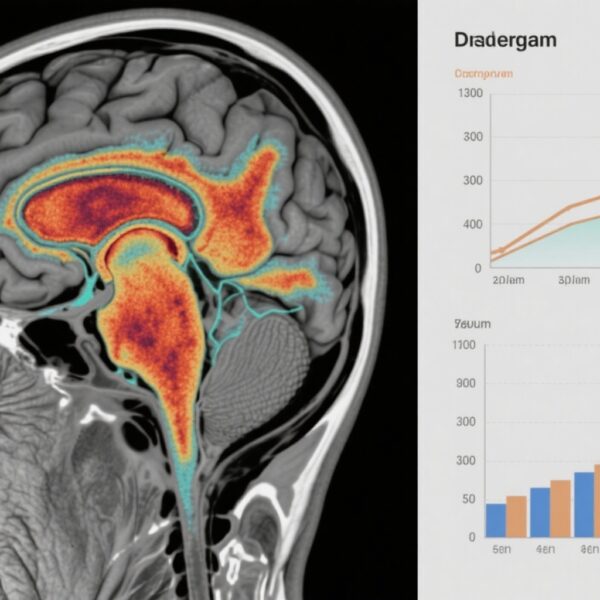
Amygdala Tau Pathology as a Key Contributor to Depressive Symptoms in Aging: Insights from Neuroimaging Studies
Amygdala tau accumulation in cognitively normal older adults correlates with worsening depressive symptoms, especially in APOE ε4 carriers, highlighting its role in neuropsychiatric changes during aging.
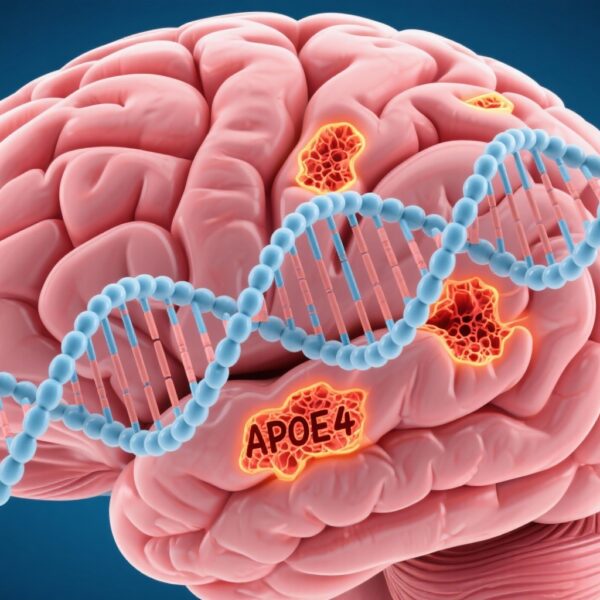
APOE4 Amplifies Blood Biomarkers’ Association with Cognitive Decline in Aging Adults: Insights from a Biracial 20-Year Cohort Study
This study reveals that APOE4 carriers with elevated blood neurodegenerative biomarkers experience accelerated cognitive decline, highlighting the gene’s role in exacerbating neurodegeneration among community-dwelling older adults without d

Moderate-to-Vigorous Physical Activity, p-tau181, and Cognition in Older Adults with Memory Complaints: Insights from the MAPT Study
Higher moderate-to-vigorous physical activity slows p-tau181 increase, a marker of Alzheimer’s pathology, but elevated p-tau181 diminishes exercise-related cognitive benefits in older adults.
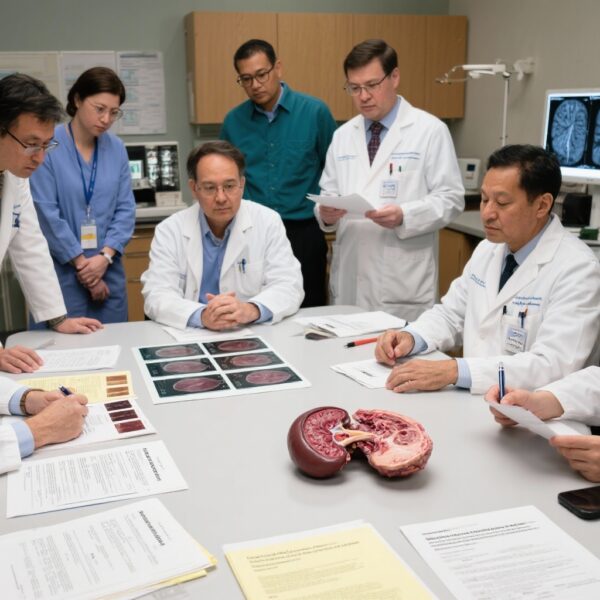
Standardizing Pathological Response Reporting After Neoadjuvant Therapy in Kidney Cancer: New International Guidelines
International experts issue consensus guidelines for sampling and reporting pathological response to neoadjuvant therapy in renal cell carcinoma, recommending standardized specimen sampling and quantification of residual viable tumor to ena
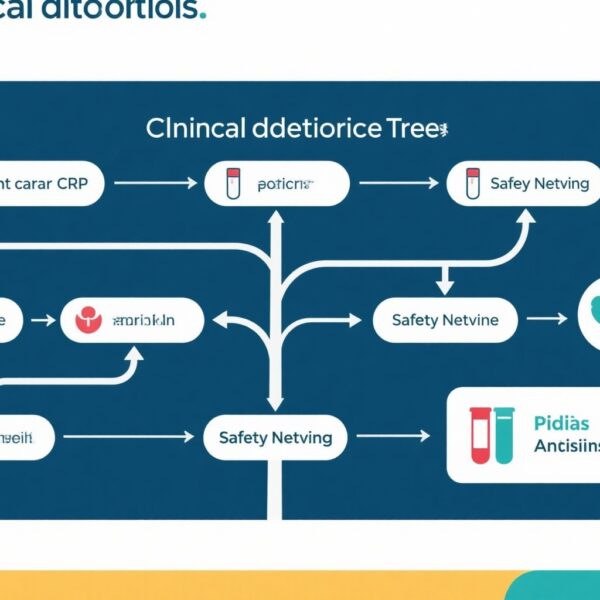
Clinical Decision Tool Integrating Decision Tree, Point-of-Care CRP Testing, and Safety Netting to Optimize Antibiotic Use in Acutely Ill Children: Evidence from the ARON Pragmatic Trial and Contextual Literature
The ARON trial demonstrated that a clinical decision tool combining decision tree, point-of-care CRP testing, and safety-netting advice safely reduces antibiotic prescribing in acutely ill children without delaying recovery or increasing he

Circulating Trimethylamine N-Oxide: A Novel Biomarker for Predicting Abdominal Aortic Aneurysm Progression and Surgical Risk
Elevated plasma TMAO levels are associated with higher risk of abdominal aortic aneurysm development, rapid aneurysm growth, and need for surgical repair, providing a promising tool for risk stratification and personalized surveillance.
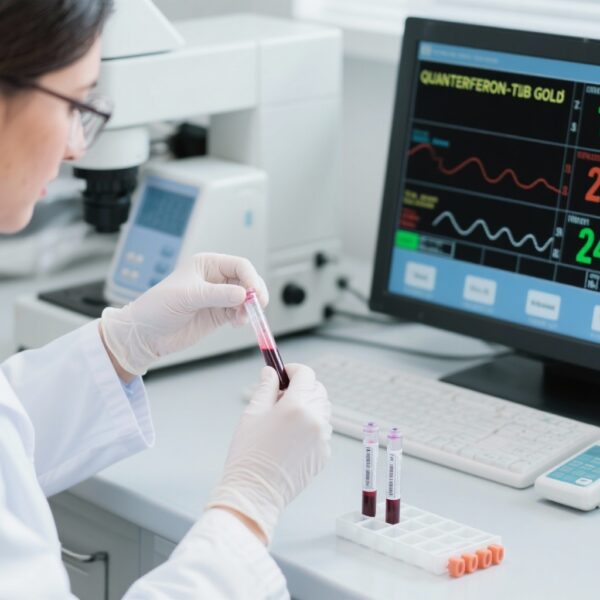
Is Single-Test Tuberculosis Screening Adequate Before Initiating Biologic Therapy?
A 20-year cohort study indicates that using QuantiFERON-TB Gold alone for TB screening before biologic therapy effectively reduces TB infection diagnoses and preventive treatments without increasing active TB risk, questioning the need for
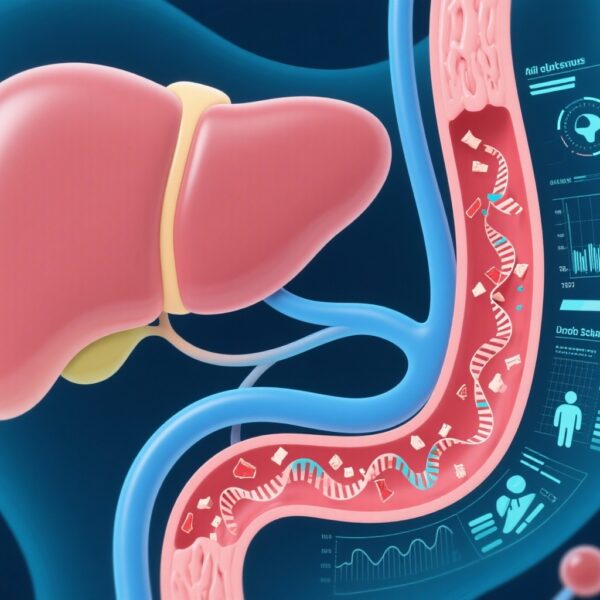
Predictive Power of Circulating Tumor DNA in Managing Resected Extrahepatic Cholangiocarcinoma
Monitoring circulating tumor DNA (ctDNA) post-surgery accurately predicts recurrence risk in extrahepatic cholangiocarcinoma, guiding personalized adjuvant chemotherapy decisions and improving patient outcomes.
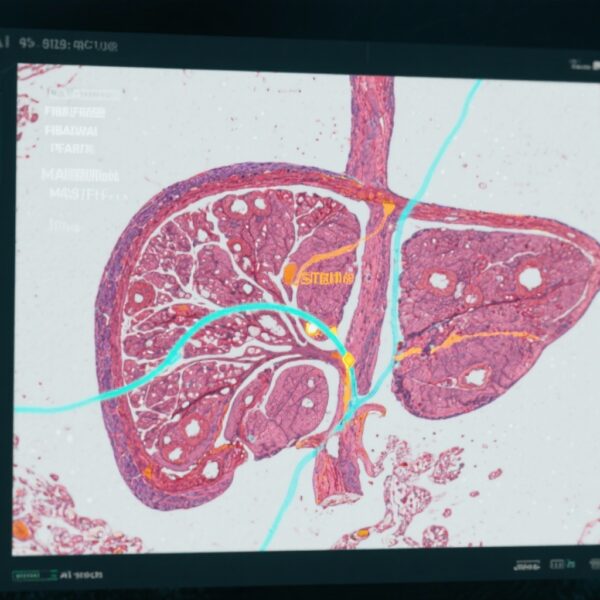
Enhancing Fibrosis Scoring in MASH: The Role of AI-Enhanced Digital Pathology
AI-assisted digital pathology improves inter-pathologist agreement on fibrosis staging in metabolic dysfunction-associated steatohepatitis (MASH), enhancing clinical trial accuracy and efficiency.

Early ctDNA Dynamics Predict Long-Term Survival in dMMR/MSI-H Metastatic Colorectal Cancer Treated With Immune Checkpoint Inhibitors
Change in circulating tumor DNA (ctDNA) one month after treatment initiation predicts progression-free and overall survival in patients with dMMR/MSI-H metastatic colorectal cancer receiving immune checkpoint inhibitors, offering a potentia
Ultrasensitive Circulating Tumor DNA as a Superior Biomarker for Remission Assessment in Large B-cell Lymphoma
Detection of circulating tumor DNA (ctDNA) provides a highly prognostic method for assessing remission in large B-cell lymphoma, outperforming conventional imaging and promising improved patient outcomes.

Revolutionizing Early Detection of Pancreatic Cancer: A cfDNA Fragmentomics and Machine Learning Model
A new cell-free DNA fragmentomics model combined with machine learning achieves high accuracy for early pancreatic cancer detection, potentially improving patient outcomes through timely intervention.
Serum Carboxymethyl-Lysine and Its Prospective Associations with Heart Failure and Atrial Fibrillation in Older Adults: Insights from the Cardiovascular Health Study
Serum advanced glycation end-product carboxymethyl-lysine (CML) is linked to higher risks of heart failure and atrial fibrillation in older adults, highlighting potential therapeutic targets against AGE-related cardiac dysfunction.

Biomarker-Guided ABC-AF Risk Scores in Atrial Fibrillation: Insights from a Large Multicenter Randomized Trial
A biomarker-based ABC-AF risk score-guided treatment did not improve stroke or death outcomes versus standard care in atrial fibrillation, underscoring the need for prospective validation of precision medicine tools before clinical implemen

VO2 Recovery Time as a Novel Cardiac Performance Biomarker: Insights from the SEQUOIA-HCM Trial
This article elucidates VO2T12.5% as a new, practical oxygen uptake recovery measure reflecting cardiac function and prognosis in heart failure and obstructive hypertrophic cardiomyopathy, validated in robust clinical cohorts including the

Circulating Tumor DNA as a Biomarker to Guide Timing of CDK4/6 Inhibitor Therapy in Advanced ER+ HER2− Breast Cancer
Pretreatment circulating tumor DNA levels can predict which patients with advanced ER-positive, HER2-negative breast cancer benefit more from first-line CDK4/6 inhibitor therapy, supporting personalized treatment strategies.
Browse by specialty
Open language-specific specialty feeds and department pages.