Pathology & Lab Medicine
Latest news
69 articles · 20 / page

Low-Pass Whole Genome Bisulfite Sequencing for ctDNA Monitoring in Metastatic Colorectal Cancer: Insights from the VALENTINO Trial
This review evaluates the clinical utility of METER, a novel lp-WGBS workflow for ctDNA detection in RAS wild-type mCRC, demonstrating its prognostic value and cost-effectiveness in monitoring treatment response.

Beyond Detection: How ctDNA Dynamics Predict Treatment Success in Advanced Breast Cancer
The plasmaMATCH trial establishes ctDNA testing as a highly accurate tool for directing targeted therapies in advanced breast cancer. New data reveal that baseline ctDNA levels and early on-treatment dynamics serve as powerful prognostic ma

Precision Screening for Preclinical Alzheimer Disease: The Ascendance of Plasma p-tau217 as a Scalable Biomarker
This review synthesizes recent high-impact evidence on plasma p-tau217, demonstrating its superior utility in identifying amyloid pathology, predicting cognitive decline, and optimizing recruitment for primary prevention trials in cognitive

Predicting Alzheimer’s Progression: The Power of Tau-Clinical Mismatch in Identifying Copathology and Resilience
This study demonstrates that the mismatch between tau burden and clinical symptoms identifies individuals with non-AD copathology or cognitive resilience. These findings offer a precision medicine framework for predicting disease trajectori

FDA Modernization Act 3.0: A Legislative Catalyst for the Post-Animal Testing Era in Clinical Pharmacology
The U.S. Senate’s unanimous passage of the FDA Modernization Act 3.0 marks a definitive shift in drug regulation, formally replacing ‘animal’ mandates with ‘nonclinical’ methodologies like organ-on-a-chip and AI to improve drug safety and e

Pathologic Response Predicts Disease-Free Survival in Neoadjuvant Immunotherapy for Mucosal HNSCC
A meta-analysis of 11 trials shows that partial and major pathologic responses after neoadjuvant immunotherapy significantly correlate with improved disease-free survival in mucosal HNSCC, suggesting these metrics serve as viable surrogate

Early‑Onset Colorectal Cancer: Parsing an Epidemiologic Artifact from True Molecular Signals — Toward a Clinically Actionable Molecular Taxonomy
Integrated analysis shows a 2013 NEN classification change inflated EOCRC counts in the youngest adults, while independent molecular studies reveal distinct hypermutated and non‑hypermutated EOCRC subtypes with higher MSI/TMB and pathway-sp
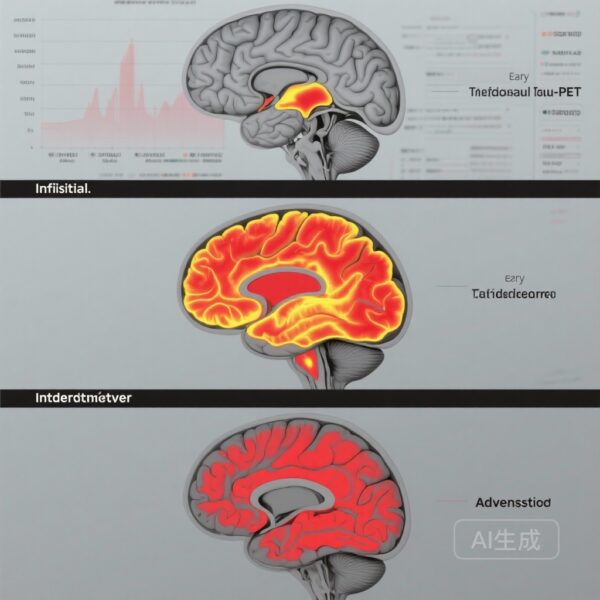
Stage-specific Tau-PET Dynamics in Biological Alzheimer’s Disease: Implications for Trial Design and Outcome Selection
Longitudinal tau-PET accumulation follows distinct regional patterns across biological AD stages; aligning trial inclusion and outcome ROIs to baseline tau stage can substantially reduce sample sizes and improve power for disease-modifying

Common, Rare and Somatic Genetic Drivers Together Double 5‑Year Atrial Fibrillation Risk: Toward an Integrated Genomic Model (IGM‑AF)
A UK Biobank whole‑genome study finds polygenic, rare monogenic, and somatic (CHIP) variants each independently associate with incident atrial fibrillation (AF); combined genomic profiling plus clinical risk (CHARGE‑AF) improves discriminat

Preoperative Clues That Predict Who Will Receive Adjuvant Therapy After Surgery for Oral Cavity Cancer
In a multicenter cohort of 3,980 oral cavity squamous cell carcinoma patients, preoperative clinical and tumor features—including age, comorbidity, tumor subsite, size, clinical stage, and biopsy grade—predicted receipt and intensity of adj
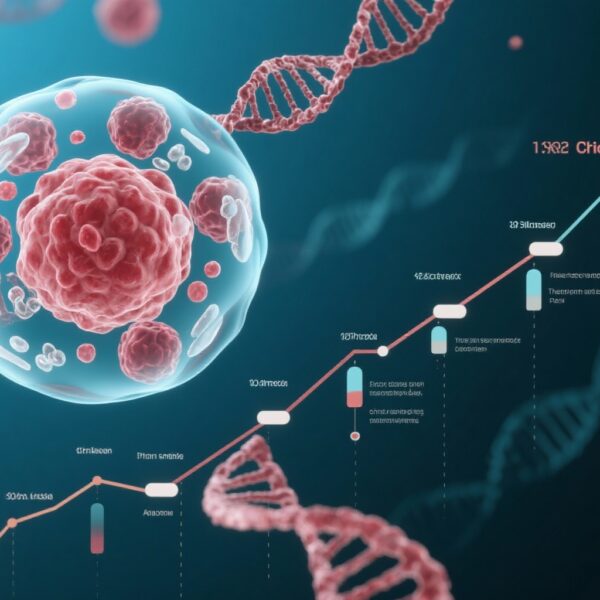
Circulating Tumor DNA-Guided Adjuvant Therapy: Recent Advances and Clinical Implications (2021–2025)
This review synthesizes recent evidence (2021–2025) on circulating tumor DNA-guided adjuvant therapy, highlighting advances in personalized cancer management and emerging challenges.

ctDNA-Guided Adjuvant Therapy in Stage III Colon Cancer: DYNAMIC-III Validates Prognosis but Questions Intensification
The randomized phase 2/3 DYNAMIC-III trial shows that postoperative circulating tumor DNA (ctDNA) strongly stratifies recurrence risk in stage III colon cancer. ctDNA-guided de-escalation reduced oxaliplatin exposure and hospitalizations wi

ctDNA-Guided Adjuvant Therapy in Stage III Colon Cancer: Prognostic Validation but No Benefit from Chemotherapy Intensification — Key Findings from the DYNAMIC-III Randomized Phase 2/3 Trial
The DYNAMIC-III trial validates circulating tumor DNA (ctDNA) as a strong prognostic marker in stage III colon cancer. ctDNA-guided de-escalation reduced oxaliplatin exposure and hospitalizations with near-standard outcomes, but escalation

Indole-3-Propionic Acid Bridges Gut Dysfunction and Diabetic Retinopathy — A Biomarker and Therapeutic Avenue
A Gut 2025 study identifies microbially produced indole-3-propionic acid (IPA) as a protective metabolite linking restored intestinal tryptophan handling to prevention of diabetic retinopathy in mice and associates low serum IPA with retino

Peripheral blood DNA methylation signatures show promise for predicting response to vedolizumab and ustekinumab in Crohn’s disease — EPIC‑CD findings
An epigenome-wide study (EPIC‑CD) identified peripheral blood DNA methylation panels that predicted response to vedolizumab and ustekinumab (validated AUC 0.75 each) but failed to predict adalimumab response. Models worked best in biologic‑

Evaluating Self-Collected Urine and Vaginal Samples for HPV Genotyping in Cervical Cancer Screening Among Japanese Women
This study assesses the feasibility and performance of using self-collected urine and vaginal samples with the BD Onclarity® HPV assay for cervical cancer screening in Japanese women with abnormal cytology, highlighting concordance and sens
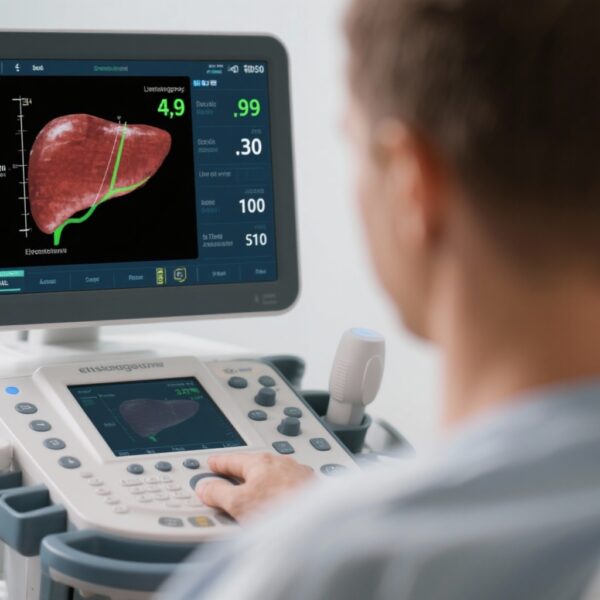
Liver Stiffness Measurement vs. Biochemical Response in Primary Biliary Cholangitis: Predicting Liver Decompensation with Precision
In primary biliary cholangitis, liver stiffness measurement (LSM) outperforms biochemical response in predicting first hepatic decompensation, emphasizing LSM’s pivotal role in clinical risk stratification despite frequent discordances betw

Standardizing Liver Biopsy Interpretation in MASH Trials: Key Consensus Statements from the International MASLD Pathology Group
An evidence-based, practical summary of the IMPG consensus on standardized histologic grading and staging for MASH (MASLD) clinical trials, with recommendations for biopsy processing, feature definitions, scoring, central reading, and AI-re
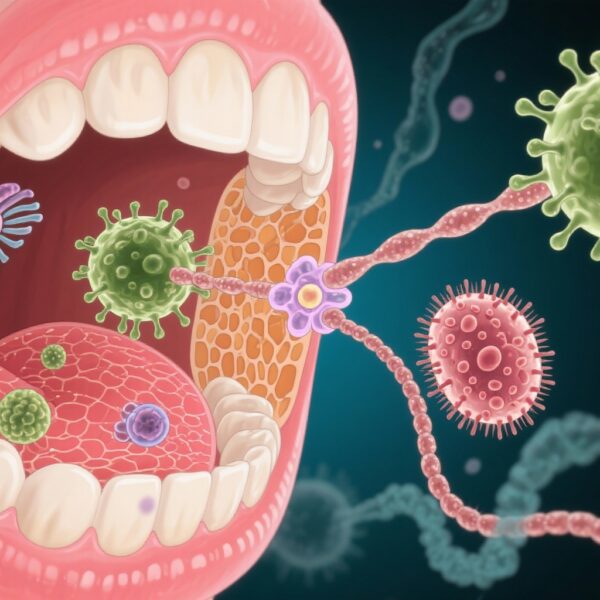
Epstein-Barr Virus Serology as a Predictor of Persistent Oral HPV Infection in Men: Insights From the Finnish Family HPV Study
A Finnish longitudinal study reveals that elevated Epstein-Barr virus antibody levels are significantly associated with persistent oral HPV infections, highlighting potential viral interplay in oropharyngeal oncogenesis risk.

Impact of Epstein-Barr Virus Serology on Oral HPV Infection Dynamics in Early Childhood: Insights from the Finnish Family HPV Cohort
This study explores how early Epstein-Barr virus (EBV) infection and immune responses influence oral human papillomavirus (HPV) infections in children, revealing the interplay between EBV serology, paternal education, and oral HPV acquisiti
Browse by specialty
Open language-specific specialty feeds and department pages.