Radiology
Latest news
156 articles · 20 / page

Enhanced Detection of Clinically Significant Prostate Cancer: Insights from the Stockholm3-MRI Screening Study Two-Year Follow-up
The Stockholm3 test combined with MRI screening significantly improves detection of clinically significant prostate cancer compared to PSA alone, reducing missed cases and unnecessary biopsies in a population-based study with 2-year follow-

Advancing Otologic Imaging: Machine Learning-Derived Synthetic CT from Temporal Bone MRI
A machine learning algorithm can generate synthetic CT images from temporal bone MRI, enabling visualization of bone and soft tissue simultaneously without radiation, useful for otologic surgical planning and localization.

Laterality of Swimming-Induced Pulmonary Edema During Combat Sidestroke: Comparative Insights from Lung Ultrasound and Chest Radiography
This review synthesizes evidence on SIPE lateralization corresponding to dependent body position during combat sidestroke, highlighting moderate concordance between lung ultrasound and chest x-ray findings and implications for field diagnos
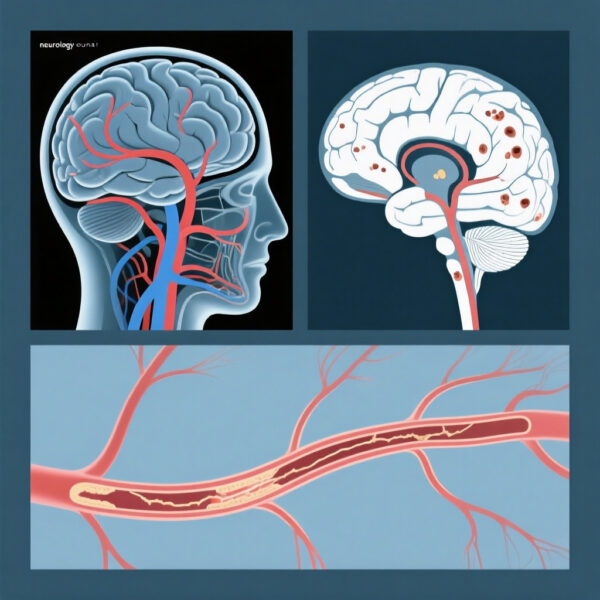
Wider Intracranial Arteries, Not Cranial Arterial Stenosis, Track With Lacunar Stroke and Cerebral Small-Vessel Disease
In a prospective mild stroke cohort, cranial arterial stenosis was not linked to cSVD, whereas basilar dolichoectasia and wider intracranial arteries were strongly associated with lacunar stroke, higher cSVD burden, incident infarcts, and w

Dose Reduction of Preoperative Radiotherapy in Myxoid Liposarcoma: Long-Term Results From the DOREMY Phase 2 Trial
Long-term follow-up from the DOREMY phase 2 trial shows that reduced-dose preoperative radiotherapy for localized myxoid liposarcoma achieved excellent local control with relatively low toxicity.

Dose Reduction of Preoperative Radiotherapy in Myxoid Liposarcoma: Long-Term Results from the Phase 2 DOREMY Trial
A long-term phase 2 trial found that reduced-dose preoperative radiotherapy followed by surgery provided excellent local control and acceptable toxicity in localized myxoid liposarcoma.

Acromegaly Diagnosis
Acromegaly is often diagnosed late because symptoms are subtle. Serum IGF-I is the best screening test, OGTT confirms GH excess, and MRI localizes pituitary tumors. New AI and imaging tools may improve earlier detection.

Mechanical Thrombectomy and Final Infarct Volume in Medium or Distal Vessel Occlusion Stroke: A Post Hoc Analysis of a Randomized Clinical Trial
In a post hoc analysis of the DISTAL trial, mechanical thrombectomy plus best medical treatment preserved more threatened brain tissue than medical treatment alone in medium or distal vessel occlusion stroke, and better tissue preservation
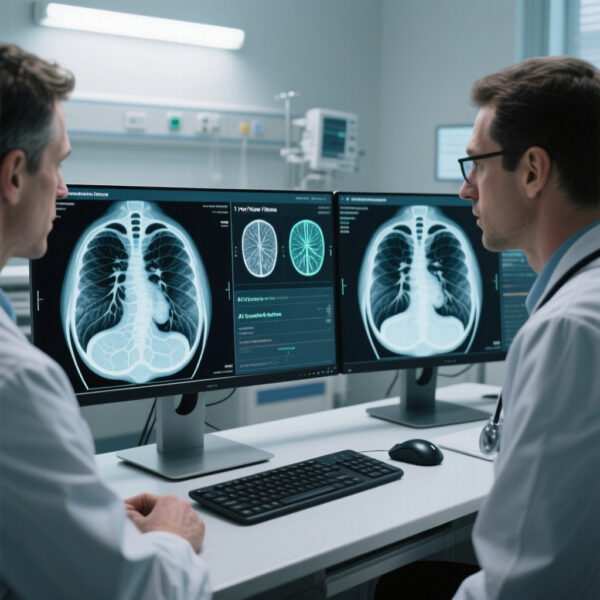
Quantitative CT Progression Thresholds in Idiopathic Pulmonary Fibrosis May Sharpen Annual Monitoring and Risk Stratification
A multicenter study suggests that 1-year quantitative CT fibrosis progression in IPF, particularly a rise of about 4%, is clinically meaningful and prognostically informative for transplant-free survival.
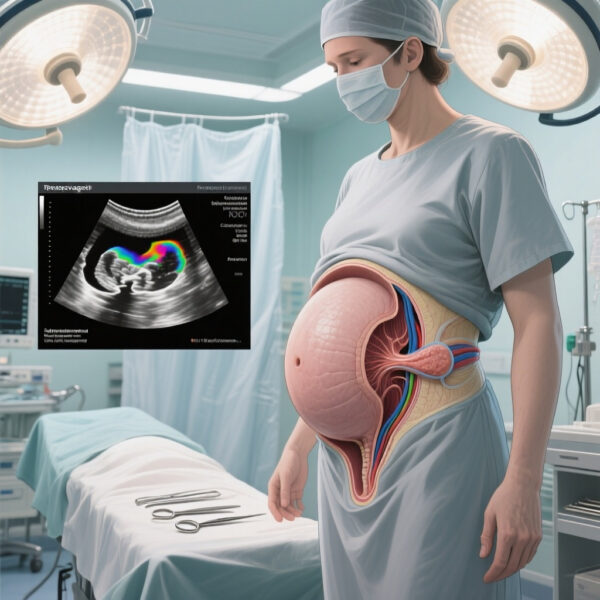
Cesarean Scar Pregnancy Continued Beyond the First Trimester Carries High Risks of Pregnancy Loss, Placenta Accreta Spectrum, and Hysterectomy
International registry data show that expectant management of live cesarean scar ectopic pregnancy is frequently followed by second-trimester loss, placenta accreta spectrum, and peripartum hysterectomy, with first-trimester ultrasound mark
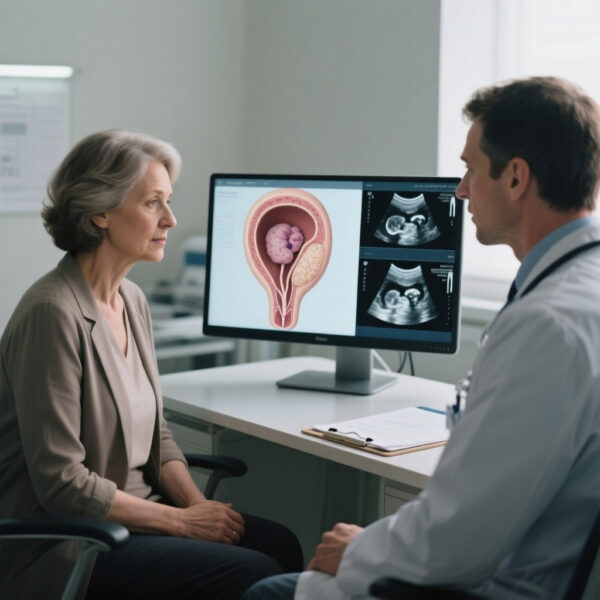
Fibroids Do Not Uniformly Regress After Menopause: Reframing Leiomyoma Care Across the Menopausal Transition
A contemporary review shows that uterine leiomyomas often persist across menopause, requiring symptom-driven evaluation, structured imaging, and individualized management rather than assumptions of spontaneous regression.
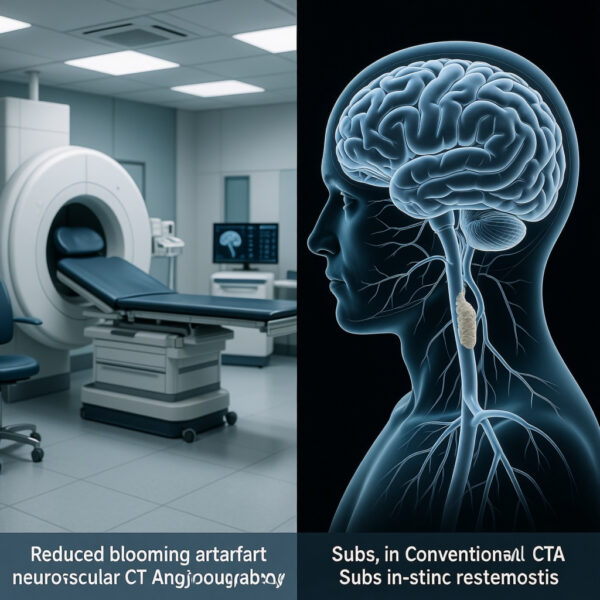
Ultra-High-Resolution Photon-Counting CTA Improves Noninvasive Detection of Neurovascular In-Stent Restenosis
A prospective study suggests ultra-high-resolution photon-counting CTA can detect neurovascular in-stent restenosis with excellent accuracy while reducing blooming artifacts and improving visualization of in-stent pathology.

Pituitary Adenoma Imaging as a Key Determinant of Acromegaly Diagnosis and Outcomes
High-quality pituitary imaging is essential for diagnosing and managing acromegaly, localizing somatotroph adenomas, guiding surgery or radiotherapy, and reducing treatment-related harm. A standardized, tiered MRI-based approach improves ac

A Chest X-Ray AI Age Gap May Flag Early Spirometric Decline Before Overt Lung Disease
In a large Korean health-screening cohort, chest radiograph-derived age acceleration was associated with both prevalent and incident PRISm and obstructive lung disease, supporting chest X-ray AI as a potential opportunistic marker of early

CT Small-Artery Loss Tracks Severe Pulmonary Hypertension in COPD and Fibrosing ILD More Closely Than Parenchymal Damage
CT-derived pulmonary vascular metrics, especially the small-artery to total arterial volume ratio, identify severe pulmonary hypertension in chronic lung disease, with distinct vascular remodeling patterns in COPD and fibrosing ILD.

Reduced Preoperative Radiotherapy to 36 Gy Maintains Excellent Long-Term Local Control in Myxoid Liposarcoma
Long-term phase 2 data suggest that 36 Gy preoperative radiotherapy for localized myxoid liposarcoma preserves excellent local control while limiting wound and late toxic effects.

Non-contrast abbreviated MRI shows superior accuracy to ultrasound for hepatocellular carcinoma surveillance in cirrhosis: interim prospective trial results
A prospective trial found that non-contrast abbreviated MRI detected hepatocellular carcinoma in cirrhotic patients far better than ultrasound, with most MRI-detected tumors found at an early, potentially curable stage.

Systemic Cardiovascular Factors and Outcomes in Dural Arteriovenous Fistulas: Insights From the CONDOR Registry
A large international registry study found that hemorrhage in dural arteriovenous fistulas is driven mainly by venous anatomy and lesion grade, not most cardiovascular comorbidities. Surgery was most associated with angiographic cure, and b

Advanced Liver Imaging Reveals Impaired Postprandial Hepatic Glucose Handling and Hidden Metabolic Subtypes in Type 1 Diabetes
A 7 T imaging and tracer study found that adults with type 1 diabetes have abnormal postprandial hepatic glucose uptake, blunted glycogen storage, reduced suppression of endogenous glucose production, and marked metabolic heterogeneity desp

Higher Amyloid PET Signal and Lower APOE ε4 Frequency Distinguish Iatrogenic From Sporadic Cerebral Amyloid Angiopathy
A single-center cross-sectional study found that iatrogenic cerebral amyloid angiopathy carries a higher amyloid PET burden, weaker CSF-PET coupling, and less APOE ε4 enrichment than sporadic disease, supporting a biologically distinct mech
Browse by specialty
Open language-specific specialty feeds and department pages.