Radiology
Latest news
156 articles · 20 / page
Refining ARVC Risk Stratification: Does Left Ventricular Late Gadolinium Enhancement Add Incremental Value to Clinical Risk Calculators?
A multi-center study of 385 ARVC patients reveals that while Left Ventricular Late Gadolinium Enhancement (LV LGE) correlates with ventricular arrhythmias, it fails to provide incremental prognostic value beyond the established ARVC risk ca
Mapping the Maze: How 3D Imaging is Transforming VT Ablation in Congenital Heart Disease
The CORECA study reveals that preprocedural 3D anatomic and substrate reconstruction from CT or MRI effectively identifies ventricular tachycardia targets in complex congenital heart disease, achieving 87.5% concordance with electroanatomic

Global Variations in Patient Radiation Exposure for Coronary Artery Disease Diagnosis: A Synthesized Review of the INCAPS 4 Findings
This review analyzes global radiation doses in CAD diagnostic imaging based on the INCAPS 4 study. It highlights significant disparities across modalities and regions, revealing that patients in low-income countries and those undergoing CCT

MRI-Guided Personalization of Chemotherapy for HER2-Positive Breast Cancer: Insights from the TRAIN-3 Trial
The TRAIN-3 study reveals that using MRI to monitor treatment response allows for shorter chemotherapy durations in HER2-positive breast cancer patients, achieving high 3-year event-free survival while significantly reducing toxicity and im

Risk Stratification in PSMA PET-Staged Oligorecurrent Prostate Cancer: Clinical Synthesis of the PORTAL Nomogram and Metastasis-Directed Therapy
This review analyzes the PORTAL study’s nomogram for predicting ADT-free survival in oligorecurrent prostate cancer, synthesizing evidence on PSMA PET-guided SBRT and the clinical utility of risk-based patient selection.
Rethinking the Standard: Does Less Mean More for Frail Elderly Patients with Head and Neck Cancer?
The ELAN-RT trial demonstrates that hypofractionated split-course radiotherapy is non-inferior to standard fractionation for 6-month locoregional response in frail older patients, providing a less toxic alternative, though standard therapy
AI-Supported Mammography Outperforms Standard Double Reading: Insights from the MASAI Trial
The MASAI trial demonstrates that AI-supported mammography screening achieves higher sensitivity and non-inferior interval cancer rates compared to standard double reading, while maintaining specificity and significantly reducing radiologis
Adjunctive Ultrasonography Reduces Advanced Breast Cancer Risk in Women Aged 40-49: Long-Term Evidence from J-START
A prespecified secondary analysis of the J-START trial reveals that adding ultrasonography to mammography for women aged 40-49 significantly reduces the long-term cumulative incidence of advanced breast cancer, particularly in populations w

Digital Imagery-Competing Task Intervention Significantly Reduces Intrusive Memories in Trauma-Exposed Healthcare Staff: Evidence from the GAINS-02 Bayesian Trial
A Bayesian adaptive randomized clinical trial reveals that a digital imagery-competing task intervention (ICTI) significantly reduces the frequency of intrusive memories and PTSD symptoms among healthcare workers exposed to pandemic-related

Ultrasound Viscoelastic Imaging: A New Noninvasive Frontier in Pediatric Henoch-Schönlein Purpura Nephritis Diagnosis
This study highlights ultrasound viscoelastic imaging as a high-performance, noninvasive tool for diagnosing Henoch-Schönlein purpura nephritis (HSPN) in children, achieving a combined AUC of 0.95 and providing critical insights into renal
Beyond Stenosis: Why Quantitative Plaque Volume Is the New Frontier in Cardiovascular Risk Assessment
A substudy of the PROMISE trial demonstrates that quantitative plaque measures on CCTA—specifically total and noncalcified plaque burden—independently predict major adverse cardiovascular events in symptomatic outpatients, offering a precis

Stereotactic Radiation Preserves Quality of Life Over Hippocampal-Avoidance Whole Brain Radiation in Patients with 5 to 20 Brain Metastases
A Phase 3 randomized trial reveals that stereotactic radiation significantly outperforms hippocampal-avoidance whole brain radiation in reducing symptom severity and interference with daily living for patients with 5 to 20 brain metastases,

Neural Connectivity Patterns Predict Acupuncture Response in Migraine: A Step Toward Personalized Pain Management
This randomized clinical trial demonstrates that real acupuncture significantly reduces migraine frequency and disability compared to sham acupuncture. Crucially, baseline brain connectivity patterns within the default mode and subcortical

Safety First: Concurrent Metastases-Directed Stereotactic Radiotherapy and Biological Therapy Show Low Risk of Severe Adverse Events
A prospective multicenter study of 433 patients demonstrates that combining stereotactic radiotherapy with biological cancer therapy is safe, with severe adverse events occurring in less than 10% of cases. Crucially, continuing biological t

Moving Beyond Birthdays: Five-Year Absolute Risk-Based Screening Outperforms Age-Based Mammography
A CISNET modeling study demonstrates that mammography screening tailored to 5-year absolute invasive breast cancer risk reduces false-positive recalls by up to 23% while maintaining or improving mortality benefits compared to traditional ag
Expanding the Thrombolysis Window: Tenecteplase Improves Outcomes in Late-Window Non-Large Vessel Occlusion Stroke
The OPTION trial reveals that tenecteplase administered 4.5 to 24 hours post-stroke in patients with non-large vessel occlusion and salvageable tissue significantly improves functional recovery, although it carries a higher risk of symptoma
Apixaban Shows No Increased Risk of MRI-Detected Intracranial Hemorrhage Compared to Aspirin in Atrial Cardiopathy
An exploratory analysis from the ARCADIA-MRI substudy reveals that apixaban carries a similar risk of incident intracranial hemorrhages, microbleeds, and superficial siderosis compared to aspirin in patients with atrial cardiopathy and cryp
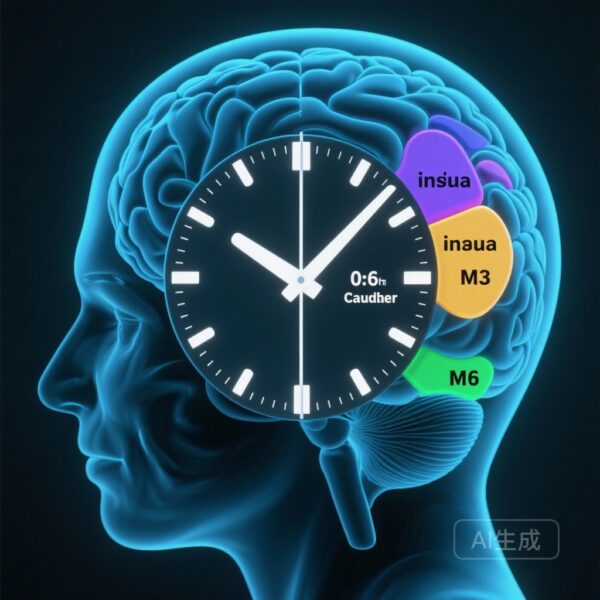
Time-Dependent Topography: How Specific ASPECTS Regions Predict Outcomes in Early vs. Extended Window Large Vessel Occlusion Stroke
A post-hoc analysis of 1,040 LVO stroke patients reveals that the prognostic value of specific brain regions varies significantly between early (0-6h) and extended (6-24h) time windows, identifying the insula, caudate, and M6 as early-windo
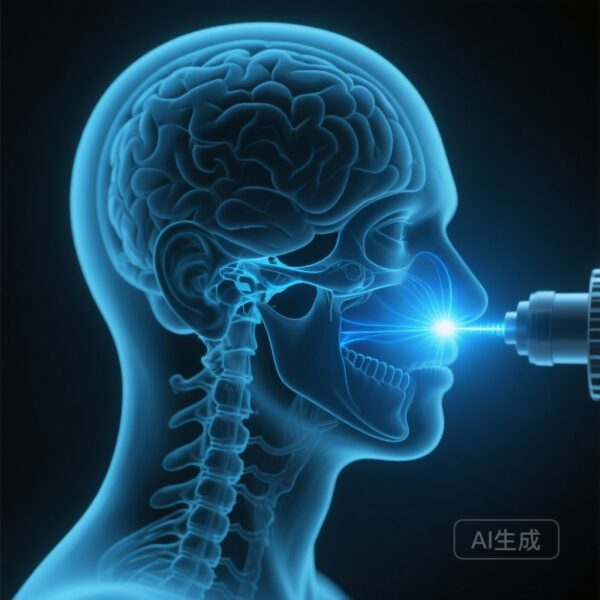
Proton Therapy Redefines the Standard of Care for Nasopharyngeal Carcinoma: Insights from a Landmark Case-Control Study
A comprehensive case-control study published in The Lancet Regional Health – Americas highlights how Intensity-Modulated Proton Therapy (IMPT) significantly reduces toxicities and improves quality of life for nasopharyngeal carcinoma patien
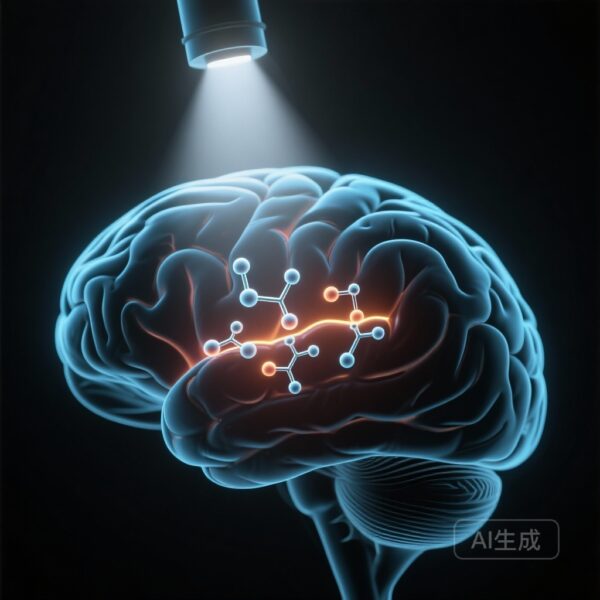
Glutamate Surges in Early Psychosis: Why Timing Matters for Targeted Therapeutics
A cross-sectional study of never-medicated individuals reveals that elevated medial prefrontal cortex glutamate levels are specific to the first episode of psychosis and correlate with cognitive deficits, suggesting a critical window for gl
Browse by specialty
Open language-specific specialty feeds and department pages.