women's health
45 all articles · 20 / page
Latest news
Tag

Pregnancy-Associated SCAD in Focus: What the iSCAD Registry Reveals About a Rare but High-Stakes Cause of MI in Women
The iSCAD Registry study highlights distinctive reproductive and psychosocial features among women with pregnancy-associated SCAD, underscoring the need for individualized counseling, heightened diagnostic suspicion, and multidisciplinary f

Association Between Surgical Volume and Postoperative Complications After Posterior Deep Infiltrating Endometriosis Surgery: A Nationwide Study
A nationwide French study found that hospitals performing at least 40 posterior deep infiltrating endometriosis surgeries per year had fewer severe postoperative complications, supporting referral to experienced, high-volume centers.

Trends and Characteristics of Inpatient versus Ambulatory Surgery for Endometriosis
A U.S. national study found endometriosis surgery is shifting from inpatient to outpatient care, with hospital cases more common in older, medically complex patients and those with more extensive disease.

ACOG Endorses Updated 2026 Cervical Cancer Screening Guidelines: Key Changes and Implications
The American College of Obstetricians and Gynecologists (ACOG) has qualifiedly endorsed the 2026 WPSI cervical cancer screening guidelines. This article details the core recommendations, highlights key updates including self-collection opti

Earlier Menopause Linked to Accelerated Multimorbidity Progression: UK Biobank Multi-State Analysis Reveals Critical Windows for Preventive Intervention
A large UK Biobank cohort study of 121,017 postmenopausal women reveals that earlier menopause significantly increases risks of multimorbidity progression, with women experiencing premature menopause facing 32% higher risk of developing fir

Exploring Diagnostic Delays for Gynecologic and Breast Cancers Following Emergency Department Visits
This study analyzes how cancer diagnosis timing varies after an emergency department visit, finding that breast cancer faces the longest delays while ovarian cancer is often diagnosed immediately. Factors like comorbidities and primary care

Sex-Specific Risk Stratification in Aortic Regurgitation: Moving Beyond One-Size-Fits-All Thresholds
New evidence suggests that current guidelines for aortic regurgitation may overlook sex-specific risks. A recent study proposes lower surgical thresholds for both sexes and distinct volumetric cutoffs (40 mL/m² for women, 45 mL/m² for men)

Addressing the Invisible Crisis: Symptom Flares, Self-Management Barriers, and Clinical Gaps in Endometriosis Care
This review synthesizes new evidence on endometriosis symptom flares, highlighting a significant gap between patient burden and professional guidance, while integrating the latest meta-analytic findings on pharmacologic pain interventions.

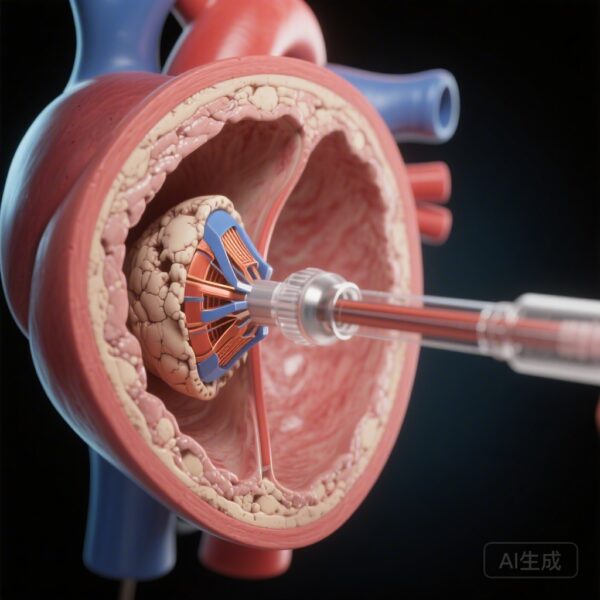
TAVI Superiority in Women with Aortic Stenosis: New Evidence from the DEDICATE-DZHK6 Trial
A subgroup analysis of the DEDICATE-DZHK6 trial reveals that TAVI significantly reduces the 1-year risk of death or stroke compared to SAVR in both sexes, with particularly pronounced clinical benefits for women, especially regarding stroke

Sex-Specific Risk Thresholds in Coronary Artery Disease: Why Plaque Burden Metrics Demand Re-evaluation in Women
A secondary analysis of the PROMISE trial reveals that women face elevated cardiovascular risk at significantly lower coronary plaque thresholds than men, necessitating a paradigm shift toward sex-stratified interpretation of coronary CT an

The Rising Tide of Cardiovascular Disease: AHA’s 2050 Forecast for Women’s Heart Health
A major AHA scientific statement forecasts a significant increase in cardiovascular disease and risk factors among U.S. women by 2050. It highlights rising rates of obesity and hypertension while emphasizing the urgent need for targeted int

Optimizing Cervical Cancer Screening for Women Living with HIV: New Data Supports Starting at Age 25
A large-scale meta-analysis reveals age-specific risks for cervical precancer in women living with HIV, justifying the WHO recommendation to initiate screening at age 25 with 3–5 year intervals to mitigate high recurrence and progression ra

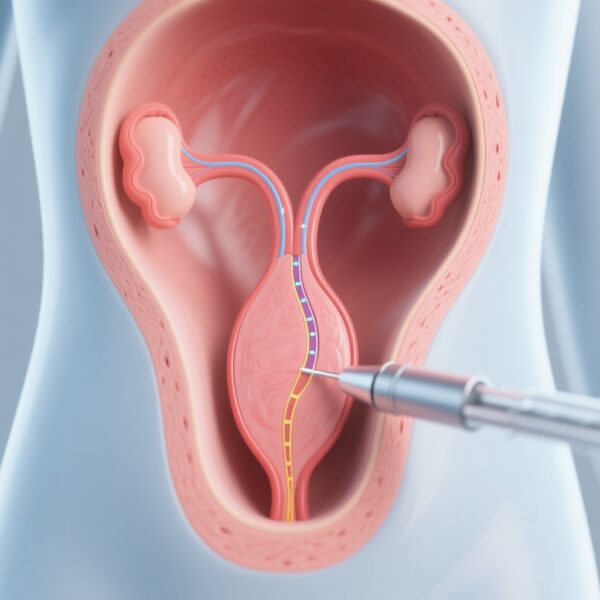
A Proactive Approach to Ovarian Cancer: The New ESGO Consensus on Opportunistic Salpingectomy
The European Society of Gynaecological Oncology (ESGO) has released new consensus statements advocating for opportunistic salpingectomy—removing fallopian tubes during unrelated surgeries—to significantly reduce ovarian cancer risk without

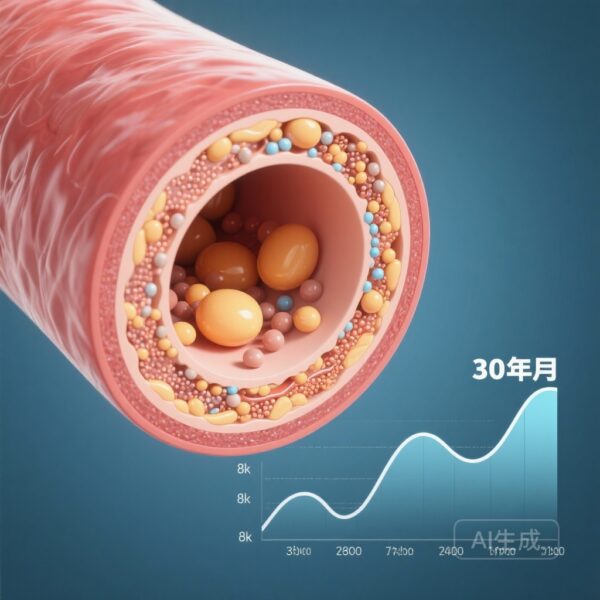
Lipoprotein(a) and the 30-Year Horizon: Redefining Long-Term Cardiovascular and Stroke Risk in Women
Longitudinal data from the Women’s Health Study reveal that elevated Lipoprotein(a) is a potent, independent predictor of myocardial infarction and ischemic stroke over three decades, suggesting a critical need for universal screening in pr

TAVI vs. SAVR in Women: RHEIA Trial Reveals Distinctive Echocardiographic Advantages for Both Approaches
The RHEIA trial substudy compares echocardiographic outcomes between TAVI and SAVR in women. While SAVR offers superior LVH regression and lower gradients, TAVI demonstrates significant benefits in preserving right ventricular function and

Persistent Healthcare Burden in Women with Chest Pain Despite No Obstructive Coronary Artery Disease: Insights from the WOMANOCA Study
A nationwide Danish cohort study reveals that women with angina or non-specific chest pain and no obstructive coronary artery disease face significantly higher rates of cardiac readmissions and primary care consultations compared to asympto

Is Female Sex a Truly Independent Risk Factor for Stroke in Atrial Fibrillation? Insights from a Large European Cohort
A large European cohort study reveals that while women with atrial fibrillation are less likely to receive anticoagulants and show higher crude thromboembolism rates, female sex is not an independent risk factor after adjusting for comorbid

Addressing the Silent Crisis: Menstrual Pain and Abnormal Bleeding as Drivers of Acute Care in Sickle Cell Disease
A multicenter study reveals that menstrual pain and abnormal uterine bleeding are highly prevalent in women with sickle cell disease and are linked to increased hospitalizations. Low awareness of hormonal therapies highlights a critical gap

Hormone Therapy for Hot Flashes: Safe and Effective for Women 50–59, Harm Signals After Age 70 — New WHI Secondary Analysis Clarifies Cardiovascular Risk by Age
A WHI secondary analysis finds that oral conjugated estrogens (with or without MPA) relieve vasomotor symptoms in women 50–59 without clear ASCVD harm, but starting HT in women ≥70 is associated with increased atherosclerotic cardiovascular

Long-Term Stroke Risk in Healthy Women: The Predictive Role of hsCRP, LDL Cholesterol, and Lipoprotein(a)
A 30-year prospective study reveals that elevated hsCRP, LDL cholesterol, and lipoprotein(a) levels independently and collectively increase the risk of ischaemic stroke in healthy women, advocating for early biomarker screening in stroke pr