We use cookies

Our website uses essential cookies and, with your consent, additional cookies to measure performance and improve our services. Cookie Policy.

You can change your choice at any time.

MMedXYNews
HomeVideos
© 2026 MedXY
Contact usAbout usPrivacy PolicyMedXY story
MedXY AI/MedXY News/Tag: Crohn’s disease
MedXY News
EnglishTag

Crohn’s disease

Ask MedXY AI
type 2 diabetesclinical trialheart failureimmunotherapyobesitycardiovascular riskatrial fibrillationbiomarkerscritical careclinical trialsHypertensionartificial intelligenceCardiologyoncologypublic healthtype 1 diabetesdiabetesMortalityAlzheimer's diseasecardiovascular diseasebreast cancerepidemiology

Latest news

Tag

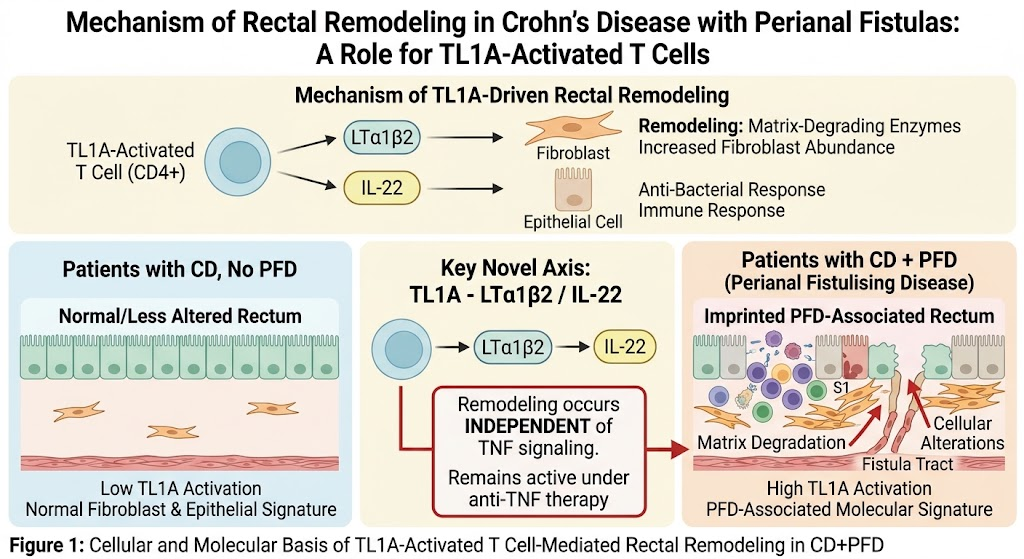
Unveiling the TL1A-LTα1β2/IL-22 Axis: A New Therapeutic Target in Crohn’s Disease with Perianal Fistulising Disease
Allergy & ImmunologyCrohn’s diseasesingle-cell RNA sequencing

Unveiling the TL1A-LTα1β2/IL-22 Axis: A New Therapeutic Target in Crohn’s Disease with Perianal Fistulising Disease

By MedXY|Sep 19, 2026

This study reveals that TL1A-activated CD4+ T cells drive distinct cellular and molecular changes in the rectal mucosa of Crohn’s disease patients with perianal fistulising disease (PFD), highlighting a novel TL1A-LTα1β2/IL-22 axis in
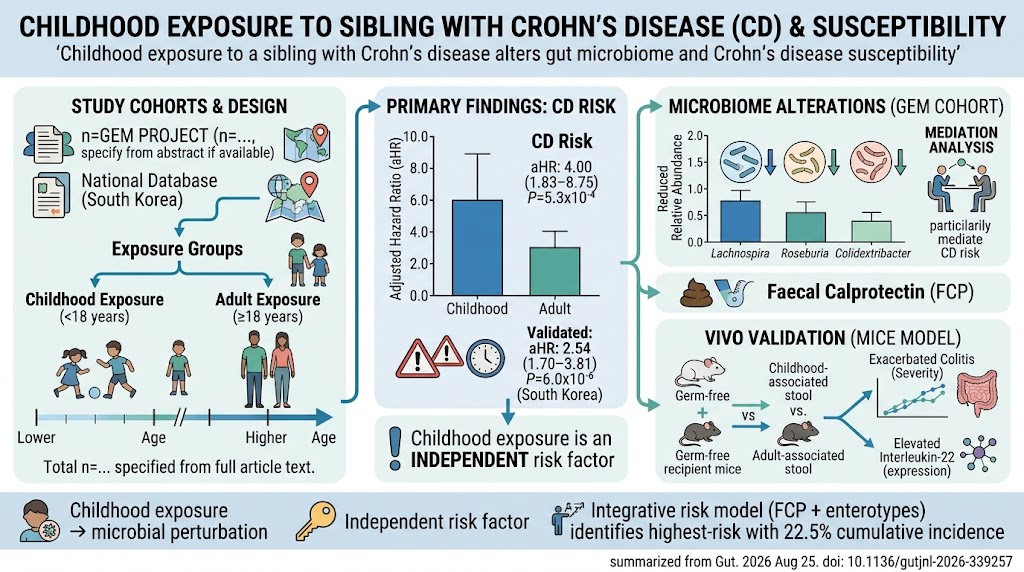
Early Childhood Exposure to Crohn’s Disease-Affected Siblings: Implications for Gut Microbiome and Disease Susceptibility
GastroenterologyCrohn’s diseaseSibling exposure

Early Childhood Exposure to Crohn’s Disease-Affected Siblings: Implications for Gut Microbiome and Disease Susceptibility

By MedXY|Aug 28, 2026

Childhood exposure to siblings with Crohn’s disease significantly raises disease risk, linked to distinct gut microbiome changes that may drive disease onset through immune modulation.

WISP1 as a Therapeutic Target in Crohn’s Disease: Linking Metabolic Reprogramming to Intestinal Fibrosis
GastroenterologyCrohn’s diseaseFibroblast metabolism

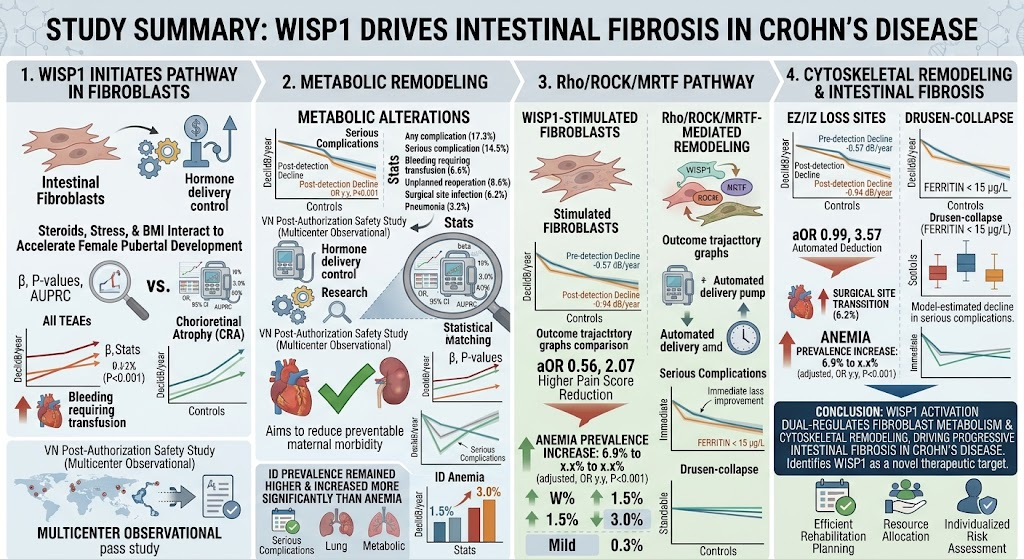
WISP1 as a Therapeutic Target in Crohn’s Disease: Linking Metabolic Reprogramming to Intestinal Fibrosis

By MedXY|Aug 19, 2026

This study reveals the pivotal role of WISP1 in driving intestinal fibrosis in Crohn’s disease through fibroblast metabolic shifts and cytoskeletal remodeling, suggesting WISP1 neutralization as a novel antifibrotic intervention.

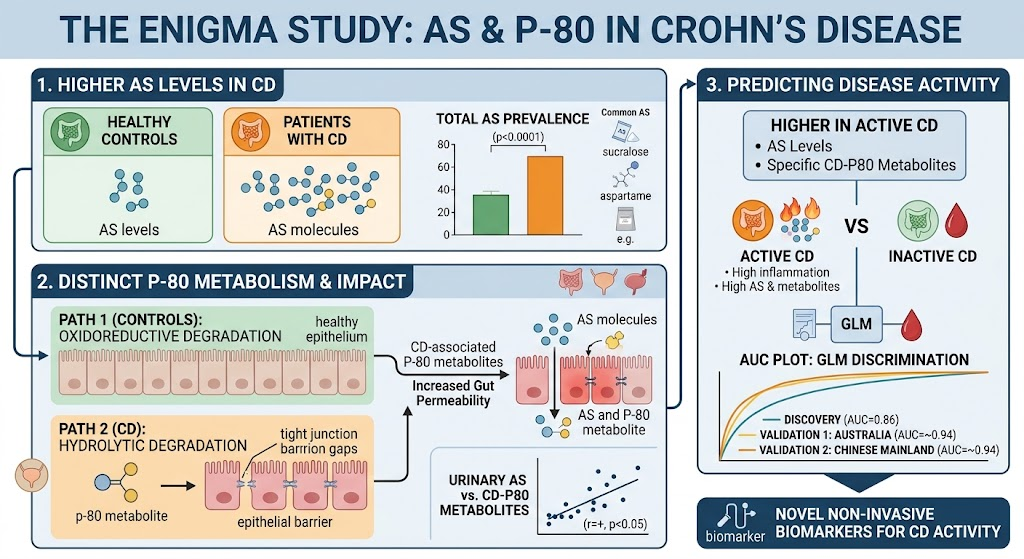
New Insights into Artificial Sweeteners and Emulsifiers in Crohn’s Disease: Biomarkers and Metabolic Mechanisms from the ENIGMA Study
GastroenterologyCrohn’s diseaseemulsifiers

New Insights into Artificial Sweeteners and Emulsifiers in Crohn’s Disease: Biomarkers and Metabolic Mechanisms from the ENIGMA Study

By MedXY|Aug 14, 2026

The ENIGMA study reveals altered metabolism of the emulsifier polysorbate-80 and elevated artificial sweeteners in Crohn’s disease, linking these dietary additives to disease activity and potential biomarker development.

Evaluating Dose Intensification Strategies for Ustekinumab in Crohn’s Disease: Insights from the REScUE Trial
Gastroenterologyclinical trialCrohn’s disease

Evaluating Dose Intensification Strategies for Ustekinumab in Crohn’s Disease: Insights from the REScUE Trial

By MedXY|Jul 13, 2026

The REScUE study compared two ustekinumab dosing intensification regimens after secondary loss of response in Crohn’s disease, finding no superiority of more frequent dosing regarding steroid-free remission at 48 weeks.

Decoding Microbial Shifts in Postoperative Crohn’s Disease: Insights into Recurrence Dynamics
Gastroenterology16S rRNA sequencingCrohn’s disease

Decoding Microbial Shifts in Postoperative Crohn’s Disease: Insights into Recurrence Dynamics

By MedXY|Jul 10, 2026

This article explores how mucosa-associated microbiota changes after ileal resection in Crohn’s disease correlate with postoperative recurrence, highlighting microbial signatures and dynamic ecosystem changes along the Rutgeerts score.

BIRC3 Gene Variants Disrupt RIPK1 Signaling, Driving Monogenic Crohn’s Disease: New Insights and Therapeutic Avenues
GastroenterologyBIRC3Crohn’s disease

BIRC3 Gene Variants Disrupt RIPK1 Signaling, Driving Monogenic Crohn’s Disease: New Insights and Therapeutic Avenues

By MedXY|Jun 27, 2026

Rare variants in the BIRC3 gene cause defective regulation of RIPK1 signaling, leading to increased intestinal epithelial cell death and monogenic Crohn’s disease. Targeting RIPK1 offers a promising therapeutic strategy.

Fermentable Fiber Subtypes in Crohn’s Disease: From Primary Prevention to Mechanistic Regulation of the Gut-Immune Axis
Clinical UpdatesBeta-glucanCrohn’s disease

Fermentable Fiber Subtypes in Crohn’s Disease: From Primary Prevention to Mechanistic Regulation of the Gut-Immune Axis

By MedXY|Jun 1, 2026

Recent multi-omic and clinical evidence suggests that specific fermentable fibers, particularly β-glucan and inulin, significantly reduce Crohn’s Disease risk in high-risk individuals by preserving gut barrier function and modulating

Microbiome-Mediated Prevention: The Role of Fermentable Fibers in Mitigating Crohn’s Disease Risk and Gut Barrier Dysfunction
Clinical UpdatesCrohn’s diseasedietary fiber

Microbiome-Mediated Prevention: The Role of Fermentable Fibers in Mitigating Crohn’s Disease Risk and Gut Barrier Dysfunction

By MedXY|Jun 1, 2026

Recent longitudinal and multi-omic studies identify specific fermentable fibers, particularly β-glucan and inulin, as critical factors in reducing Crohn’s disease risk by preserving gut barrier function and modulating the microbiome-i

Fermentable Fibers and Crohn’s Disease Prevention: Multi-Omic Insights into β-Glucan, Inulin, and Gut Barrier Integrity
Clinical UpdatesCrohn’s diseaseFermentable Fiber

Fermentable Fibers and Crohn’s Disease Prevention: Multi-Omic Insights into β-Glucan, Inulin, and Gut Barrier Integrity

By MedXY|Jun 1, 2026

Higher intake of β-glucan and inulin is linked to a 30% reduction in Crohn’s Disease risk among high-risk individuals, mediated by improved gut barrier function, lower systemic inflammation markers, and specific microbial signatures.

Genetic Risk of Inflammatory Bowel Disease Linked to Disease Severity
GastroenterologyCrohn’s diseasedisease severity

Genetic Risk of Inflammatory Bowel Disease Linked to Disease Severity

By MedXY|May 1, 2026

A Danish nationwide study reveals higher genetic risk scores for IBD predict more severe disease courses, including increased surgery rates, stronger medication needs, and worse inflammatory markers in both Crohn’s and ulcerative coli

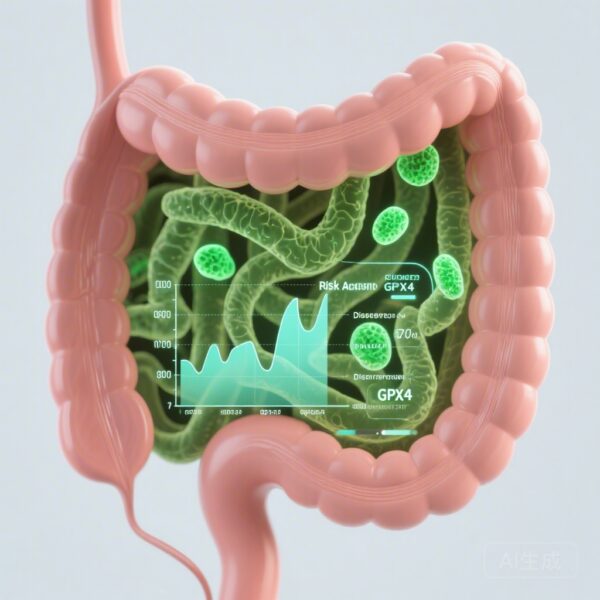
Reduced Intestinal Epithelial GPX4 Expression Predicts Postoperative Crohn’s Disease Recurrence and Offers a Novel Therapeutic Target
GastroenterologyCrohn’s diseasegastroenterology

Reduced Intestinal Epithelial GPX4 Expression Predicts Postoperative Crohn’s Disease Recurrence and Offers a Novel Therapeutic Target

By MedXY|Mar 22, 2026

A breakthrough study identifies epithelial Glutathione peroxidase 4 (GPX4) deficiency as a potent predictor of Crohn’s disease recurrence after surgery. The research links this biomarker to endoplasmic reticulum stress and highlights

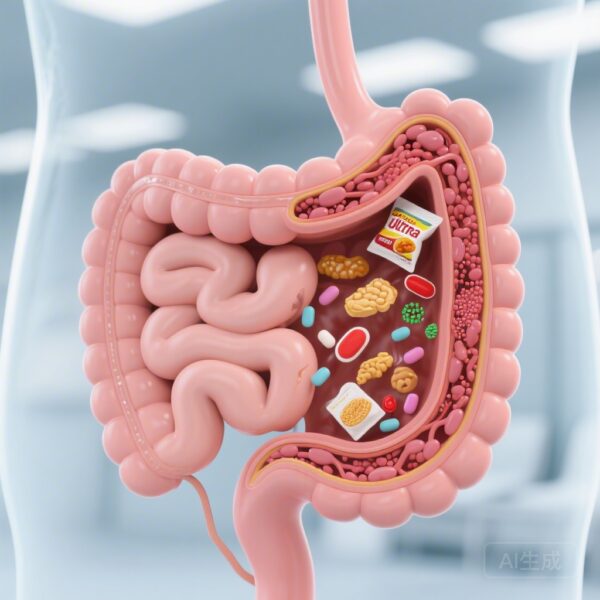
Beyond Clinical Remission: Why Diet and Gut Signatures Remain Perturbed in Crohn’s Disease
GastroenterologyClinical RemissionCrohn’s disease

Beyond Clinical Remission: Why Diet and Gut Signatures Remain Perturbed in Crohn’s Disease

By MedXY|Mar 10, 2026

A multi-omic study reveals that despite effective immune suppression, Crohn’s disease patients in remission exhibit persistent dietary, microbial, and metabolic abnormalities. This research highlights the critical role of ultraprocess

Stem Cell Therapy for Complex Perianal Fistulas: Why the ADMIRE CD II Trial Missed Its Mark
GastroenterologyCrohn’s diseasestem cell therapy

Stem Cell Therapy for Complex Perianal Fistulas: Why the ADMIRE CD II Trial Missed Its Mark

By MedXY|Mar 6, 2026

The ADMIRE CD II Phase 3 trial failed to show a significant benefit of darvadstrocel over placebo for complex perianal fistulas in Crohn’s disease, primarily due to an unexpectedly high remission rate in the placebo-controlled surgica

Cyclic Exclusive Enteral Nutrition: A New Paradigm for Drug-Free Remission in Pediatric Crohn’s Disease
GastroenterologyCrohn’s disease肠内营养

Cyclic Exclusive Enteral Nutrition: A New Paradigm for Drug-Free Remission in Pediatric Crohn’s Disease

By MedXY|Mar 2, 2026

The CD-HOPE trial reveals that cyclic exclusive enteral nutrition (C-EEN) is superior to daily partial enteral nutrition (PEN) for maintaining drug-free remission in children with Crohn’s disease, providing a critical alternative to long-te

Is 2 Liters of PEG Necessary? Simplified Water Prep Proves Effective for Crohn’s Capsule Endoscopy
GastroenterologyCrohn’s diseasegastroenterology

Is 2 Liters of PEG Necessary? Simplified Water Prep Proves Effective for Crohn’s Capsule Endoscopy

By MedXY|Jan 20, 2026

A randomized trial demonstrates that a simplified bowel preparation using clear liquids and water offers comparable diagnostic yield and cleanliness to PEG-based regimens for Crohn’s disease capsule endoscopy, while significantly improving

Vedolizumab Is Safer and More Effective When Used Early in Crohn’s Disease: Results from the Phase 4 LOVE‑CD Cohort
GastroenterologybiologicsCrohn’s disease

Vedolizumab Is Safer and More Effective When Used Early in Crohn’s Disease: Results from the Phase 4 LOVE‑CD Cohort

By MedXY|Nov 9, 2025

The LOVE‑CD phase 4 cohort shows vedolizumab yields higher sustained clinical and endoscopic remission and fewer serious adverse events when given early in Crohn’s disease versus later-stage, previously biologic‑exposed disease.

Peripheral blood DNA methylation signatures show promise for predicting response to vedolizumab and ustekinumab in Crohn’s disease — EPIC‑CD findings
GastroenterologybiologicsCrohn’s disease

Peripheral blood DNA methylation signatures show promise for predicting response to vedolizumab and ustekinumab in Crohn’s disease — EPIC‑CD findings

By MedXY|Nov 9, 2025

An epigenome-wide study (EPIC‑CD) identified peripheral blood DNA methylation panels that predicted response to vedolizumab and ustekinumab (validated AUC 0.75 each) but failed to predict adalimumab response. Models worked best in biologic‑

EASE‑CD: A Validated, Responsive Endoscopic Ulcer Activity Score That Advances Outcome Measurement in Crohn’s Disease
GastroenterologyCrohn’s diseaseendoscopy

EASE‑CD: A Validated, Responsive Endoscopic Ulcer Activity Score That Advances Outcome Measurement in Crohn’s Disease

By MedXY|Nov 9, 2025

A new continuous index—EASE‑CD—focuses on ulcer presence, size, depth and proportion of ulcerated surface; it is reliable, responsive, and externally validated across two RCT datasets, offering a practical endoscopic endpoint for trials and

Unraveling the Paradox: Why Smoking Benefits Ulcerative Colitis but Worsens Crohn’s Disease
GastroenterologyCrohn’s diseasegut microbiota

Unraveling the Paradox: Why Smoking Benefits Ulcerative Colitis but Worsens Crohn’s Disease

By MedXY|Oct 6, 2025

Recent research elucidates how smoking modulates gut microbiota and immune responses differently in ulcerative colitis and Crohn’s disease, explaining its protective effect in UC but detrimental role in CD.

1 / 2
12
Next
Ask MedXY AI

Most popular

Intimate Health
Five Benefits for Women Continuing Sexual Activity After Menopause
Intimate Health
Why Some Women Have a Strong Sex Drive—And Why Men Shouldn't Worry About It
Nursing & care
How often should a couple have sex?
Intimate Health
Classic Intimacy Recommendations: How to Help Women Reach Orgasm and Enjoy Mutual Pleasure
Intimate Health
What Makes a Woman "Physiologically Addicted" Is Never Money, But These Two Relationship Qualities