Radiology
Latest news
156 articles · 20 / page
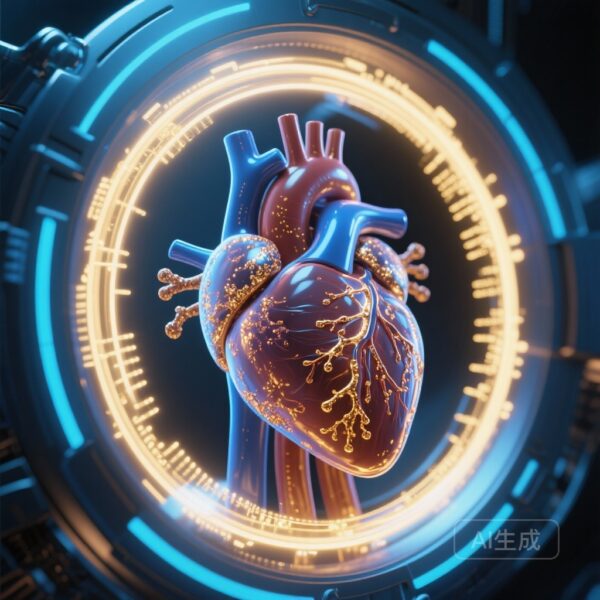
Tracking the Invisible: CMR-ECV Mapping Reveals Amyloid Stabilization with Patisiran and Predicts Mortality in ATTR-CM
A landmark study demonstrates that CMR-derived extracellular volume (ECV) mapping effectively monitors amyloid burden in ATTR-CM. While untreated patients show significant progression, patisiran stabilizes amyloid load, with ECV progression
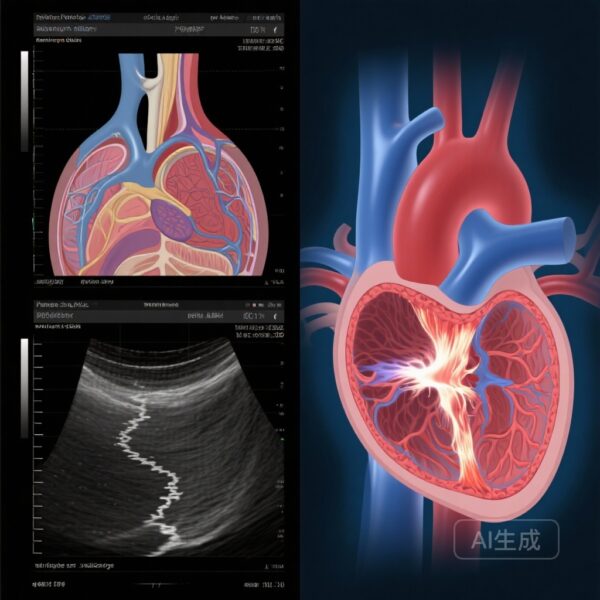
Why the Parasternal Window May Be the New Gold Standard for Aortic Regurgitation Quantitation
A landmark study demonstrates that measuring flow convergence from the parasternal long-axis window significantly outperforms apical PISA in feasibility and matches Cardiac MRI accuracy for assessing aortic regurgitation severity.
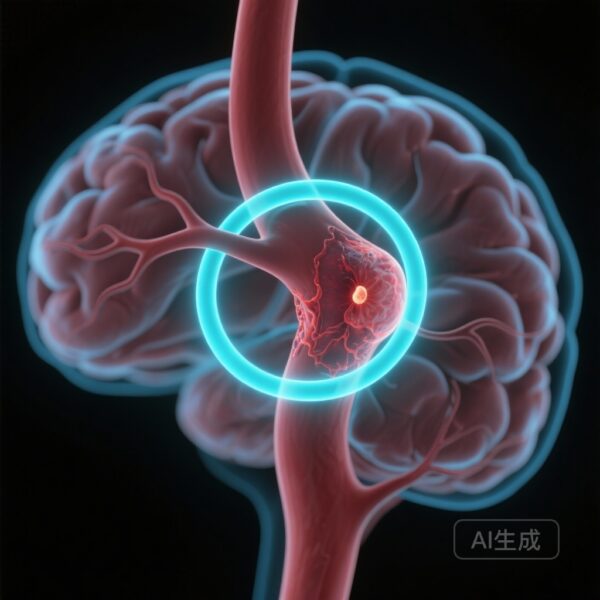
Circumferential Aneurysm Wall Enhancement Predicts a Three-Fold Increase in 4-Year Risk of Instability
A large-scale prospective study in JAMA Neurology identifies circumferential aneurysm wall enhancement (AWE) as a potent independent predictor of intracranial aneurysm growth or rupture, offering a critical radiological biomarker for clinic
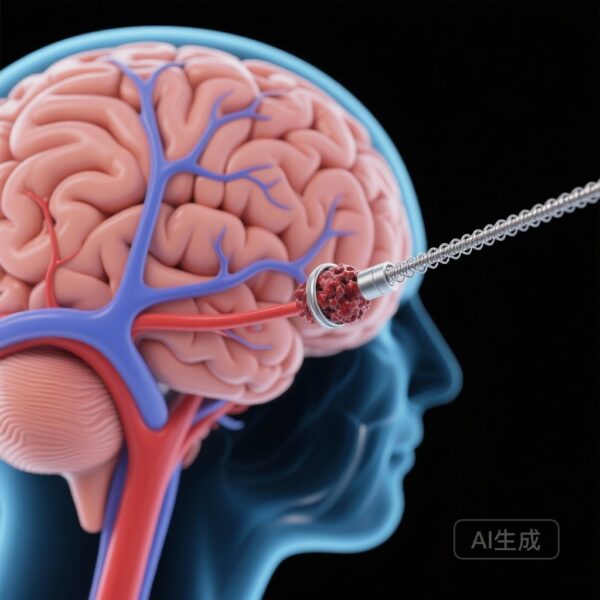
Endovascular Thrombectomy for Basilar Artery Occlusion: 3-Year Outcomes Confirm Durable Clinical Benefits
Long-term data from the ATTENTION trial reveal that endovascular thrombectomy significantly improves functional outcomes and survival at three years for patients with basilar artery occlusion, establishing it as a durable standard of care.

Post-PCI Troponin Kinetics Reveal Hemorrhagic Transformation as a Critical Driver of In-Hospital Mortality in STEMI
A multicenter study identifies high-sensitivity troponin I kinetics as a diagnostic marker for hemorrhagic myocardial infarction, linking this reperfusion injury to a nearly threefold increase in the risk of in-hospital mortality following
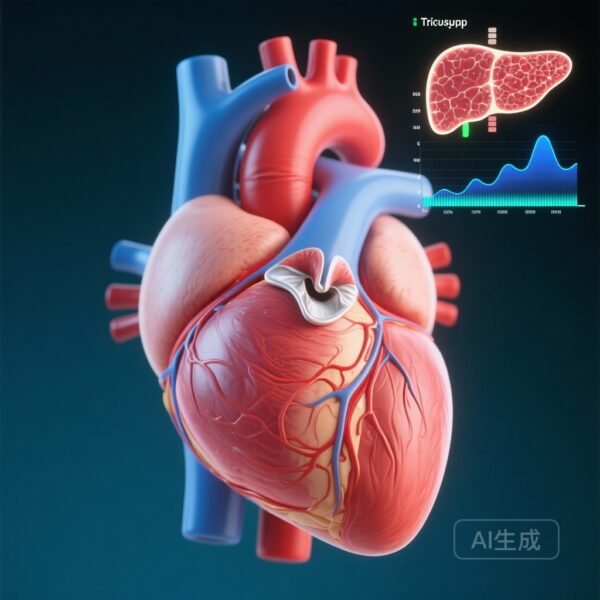
Redefining Severity in Tricuspid Regurgitation: Why CMR-Derived Regurgitant Fraction and Liver Mapping Are the New Prognostic Gold Standards
A landmark study in Circulation reveals that CMR-quantified tricuspid regurgitant fraction (TRF) ≥20% significantly increases mortality risk, while liver extracellular volume (L-ECV) mapping provides a novel, potent biomarker for systemic c

Mapping the Neuro-Immune Divide: Distinct Brain-Blood Signatures Distinguish Early Depression from Psychosis
A large-scale multicenter study identifies unique multivariate patterns of peripheral inflammation and brain structure that differentiate early-stage depression and psychosis, highlighting the influence of childhood trauma and cognitive per

GLIAA Trial Results: Contrast-Enhanced MRI Remains the Gold Standard for Re-irradiation Planning in Recurrent Glioblastoma
The multicenter GLIAA trial demonstrated that FET-PET-guided target volume delineation for re-irradiation does not provide a progression-free survival benefit over standard contrast-enhanced T1-weighted MRI in patients with recurrent gliobl

Streamlining Sarcoma Care: Five-Day Preoperative Radiation Matches Long-Term Efficacy of 5-Week Regimens
A Phase 2 clinical trial reveals that an ultrahypofractionated 5-day preoperative radiation regimen for high-risk soft tissue sarcoma provides durable local control and favorable late-term toxicity compared to the conventional 5-week course
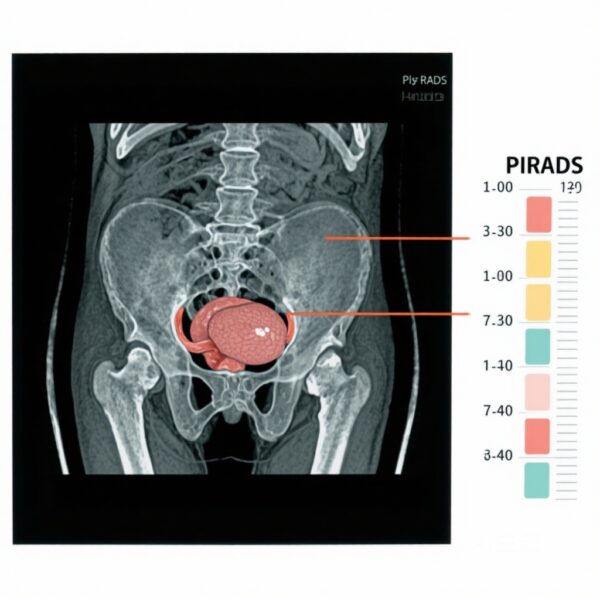
Five-Year Safety of Avoiding Biopsy After Negative MRI in Prostate Cancer Pathways
Long-term data show RAPID MRI-directed pathway safely avoids unnecessary biopsies while maintaining low rates of clinically significant prostate cancer.
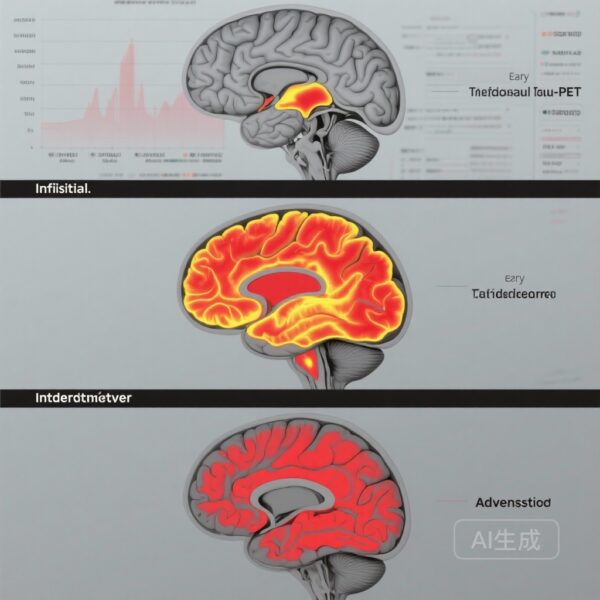
Stage-specific Tau-PET Dynamics in Biological Alzheimer’s Disease: Implications for Trial Design and Outcome Selection
Longitudinal tau-PET accumulation follows distinct regional patterns across biological AD stages; aligning trial inclusion and outcome ROIs to baseline tau stage can substantially reduce sample sizes and improve power for disease-modifying

Proton Craniospinal Irradiation Improves CNS Progression-Free and Overall Survival in Leptomeningeal Metastasis: Randomized Phase 2 Evidence
In a randomized phase 2 trial, proton craniospinal irradiation (pCSI) significantly improved central nervous system progression‑free survival and overall survival versus involved‑field photon radiotherapy in patients with leptomeningeal met

White Matter Microstructure and Cognitive Decline in Aging and Alzheimer Disease: A Comprehensive Review of Recent Advances
This review synthesizes recent large-scale multi-cohort studies revealing white matter microstructural abnormalities—especially free water increases—in limbic tracts as critical markers of cognitive decline in aging and Alzheimer’s disease,

Anatomic First or Invasive Angiography First? DISCHARGE Shows No QOL Advantage for CT over ICA in Stable Chest Pain
In the DISCHARGE randomized trial prespecified secondary analysis, CT-first and ICA-first strategies produced similar long-term quality-of-life and angina outcomes in intermediate-risk stable chest pain patients over a median 3.5 years; imp
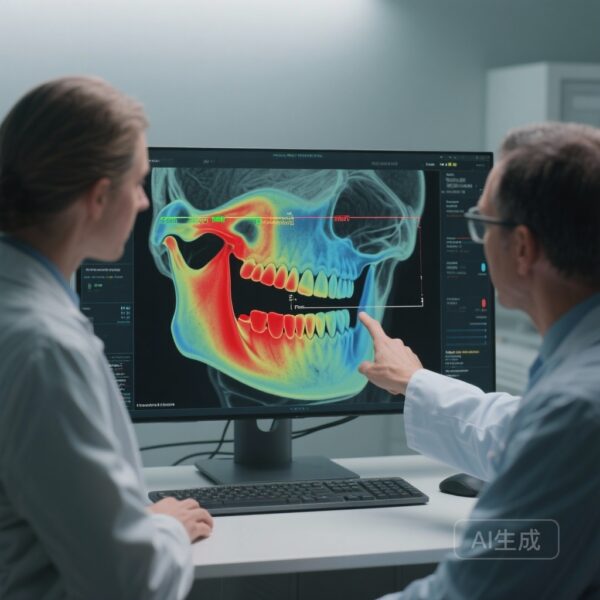
Higher Osteoradionecrosis Risk After Proton Therapy than IMRT in Oropharyngeal Cancer — What Clinicians Should Know
In a large single‑institution cohort of oropharyngeal squamous cell carcinoma, proton therapy was associated with a higher 3‑year rate of osteoradionecrosis than IMRT (6.4% vs 2.7%), though severe ORN remained uncommon.

Severe Late Radiation Toxicities in Head and Neck Cancer: Common, Preventable, and Linked to Worse Survival
A large single-center cohort (n=7,622) shows 12.6% of head and neck cancer patients develop severe (≥RTOG grade 3) radiation-related late toxicities; modifiable factors and specialized multidisciplinary late-effects care may reduce risk and

Amyloid PET Centiloid Predicts Lifetime and 10‑Year Risk of MCI and Dementia in Cognitively Unimpaired Adults
A large Mayo Clinic Study of Aging analysis shows lifetime and 10‑year absolute risk of MCI and dementia rise monotonically with amyloid PET centiloid values, modified by age, sex, and APOE ε4 status; out‑of‑study ascertainment substantiall

Intervention Lowers Long‑Term Hemorrhage Risk in Unruptured Brain AVMs: Evidence From a Nationwide Target‑Trial Emulation
A large Chinese registry-based target-trial emulation found interventional therapy for unruptured brain AVMs reduced 5- and 10-year hemorrhage-free survival compared with conservative management, with benefits concentrated in low-grade, com

Preoperative Single‑Fraction Ablative Radiotherapy for Early HR+ Breast Cancer: Low Toxicity, High Pathologic Responses with Delayed Surgery
A phase 1 trial reports tolerable single‑fraction preoperative stereotactic partial‑breast irradiation (30–38 Gy) with low toxicity, preserved cosmesis, and high pathologic complete response rates when surgery was delayed beyond ~9 months o

Preoperative CT Before Balloon Sinus Dilation: Most Comply — But One-Third of Surgeons Perform Procedures Without Recent Imaging
A Medicare claims analysis found that 15% of balloon sinus dilation (BSD) procedures lacked a CT within one year; 31.8% of otolaryngologists were outliers, with a small subset accounting for the majority of missed imaging—highlighting gaps
Browse by specialty
Open language-specific specialty feeds and department pages.