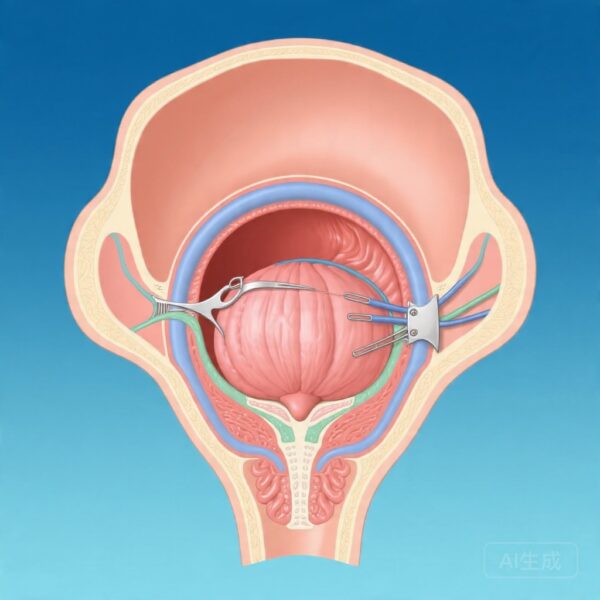
Beyond hysterectomy: Modern approaches to managing uterine fibroids
Background: Common Yet Misunderstood Uterine fibroids—also known as leiomyomas—are the most prevalent benign tumors in…
266 articles · 20 / page

Background: Common Yet Misunderstood Uterine fibroids—also known as leiomyomas—are the most prevalent benign tumors in…

Emerging research reveals that prenatal exposure to fine particulate air pollution (PM2.5) may significantly increase a child’s risk of developing obesity, spotlighting pregnancy as a critical window for future health.

Eliminating a $45 fee for advanced breast cancer screening technology improves access and reduces health disparities, according to recent research.

A groundbreaking trial highlights how hybrid closed-loop systems improve glycemic control for pregnant women with type 1 diabetes, offering enhanced maternal and fetal health outcomes.

Scientific findings link imbalances in gut microbiota and metabolic markers to pregnancy complications in women with PCOS.

Exploring groundbreaking FDA approvals in women’s health, including new treatments for UTIs, at-home STI and cervical cancer tests, and AI-driven fetal anomaly detection.

Recent research highlights that estrogen-only hormone therapy may reduce breast cancer risk in women under 55, while combined estrogen-progestin therapy could increase risk.

A study reveals that complications during pregnancy, such as preeclampsia, gestational diabetes, and preterm birth, are linked to an increased risk of stroke years later.

A 30-year study reveals women with endometriosis-related infertility have higher pregnancy rates compared to other infertility causes, emphasizing the importance of early diagnosis and tailored treatments.

New research highlights links between gut microbiota composition and gestational diabetes, offering potential for early detection and personalized treatment strategies.

Self-collection devices for cervical cancer screening offer a safe, effective, and preferred alternative to traditional methods, increasing accessibility and compliance.

Mail-in HPV self-collection kits significantly increase cervical cancer screening participation, offering a promising tool to enhance early detection and preventive care.

Recent research suggests that a 2-dose HPV vaccine regimen offers similar long-term protection against HPV-16 and HPV-18 as the 2+1-dose regimen, challenging the necessity of booster doses.

Restrictive abortion legislation significantly increases maternal complications in high-risk pregnancies, highlighting urgent public health concerns.

A recent study questions the specificity of USPSTF guidelines for preeclampsia risk assessment, highlighting challenges in identifying patients truly at high risk and ensuring targeted aspirin prophylaxis.

Hypertensive disorders during pregnancy affect breastfeeding initiation and duration, highlighting the need for tailored support for affected mothers.

Global variations in placenta accreta spectrum (PAS) management guidelines highlight the need for improved standardization and research, especially in resource-limited settings.

A new FDA panel reignites debate over the safety and efficacy of antidepressant use during pregnancy, with experts weighing in on emerging research and practice recommendations.

Leading experts call on the FDA to update boxed warnings on menopausal hormone therapies, arguing current labels are outdated and deter women from effective, safe treatments.

A new study highlights the psychosocial factors contributing to depression in women with premature ovarian insufficiency, emphasizing the need for holistic care.
Open language-specific specialty feeds and department pages.