We use cookies

Our website uses essential cookies and, with your consent, additional cookies to measure performance and improve our services. Cookie Policy.

You can change your choice at any time.

MMedXYNews
HomeVideos
MedXY AI/MedXY News/Tag: cognitive decline
MedXY News
EnglishTag

cognitive decline

Ask MedXY AI
type 2 diabetesclinical trialheart failureimmunotherapyobesitycardiovascular riskatrial fibrillationbiomarkerscritical careclinical trialsHypertensionartificial intelligenceCardiologyoncologypublic healthtype 1 diabetesdiabetesMortalityAlzheimer's diseasecardiovascular diseasebreast cancerepidemiology

Latest news

Tag

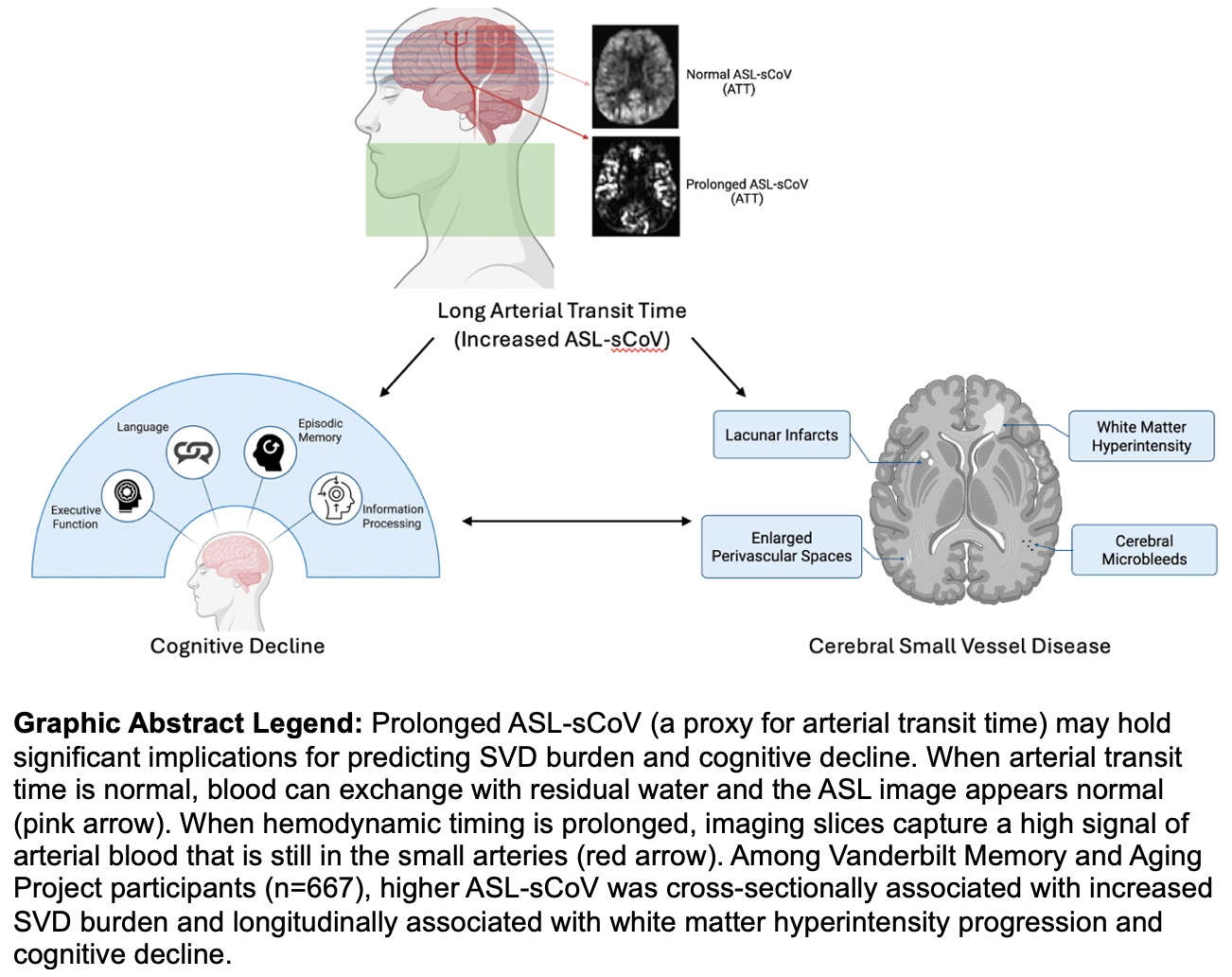
Arterial Spin Labeling Hemodynamic Metrics Predict Cognitive Decline and Small Vessel Disease Progression Over 11 Years
NeurologyNeuroimagingarterial spin labeling

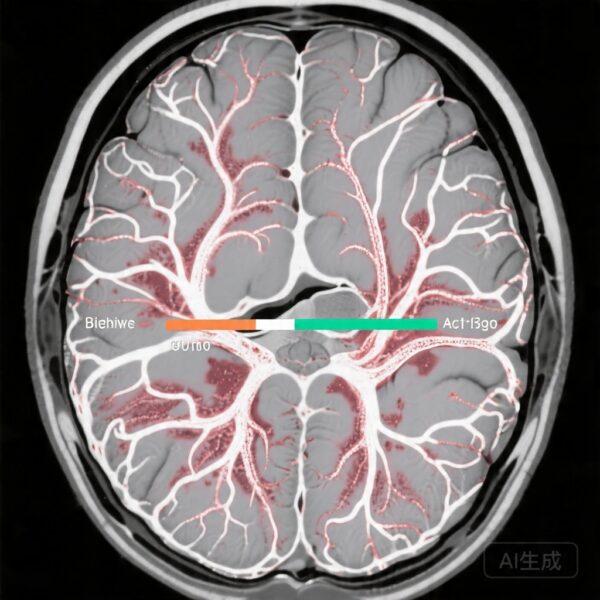
Arterial Spin Labeling Hemodynamic Metrics Predict Cognitive Decline and Small Vessel Disease Progression Over 11 Years

By MedXY|Sep 19, 2026

This study demonstrates that arterial spin labeling spatial coefficient of variation (ASL-sCoV) correlates with cerebral small vessel disease burden and predicts cognitive decline over 11 years, outperforming traditional cerebral blood flow
Early Life Vascular Risk and Midlife Markers of Brain Aging: Insights from Longitudinal Neuroimaging and Cognitive Trajectory Studies
Clinical Updatesmidlife brain aging
© 2026 MedXY
Contact usAbout usPrivacy PolicyMedXY story
Neuroimaging Biomarkers

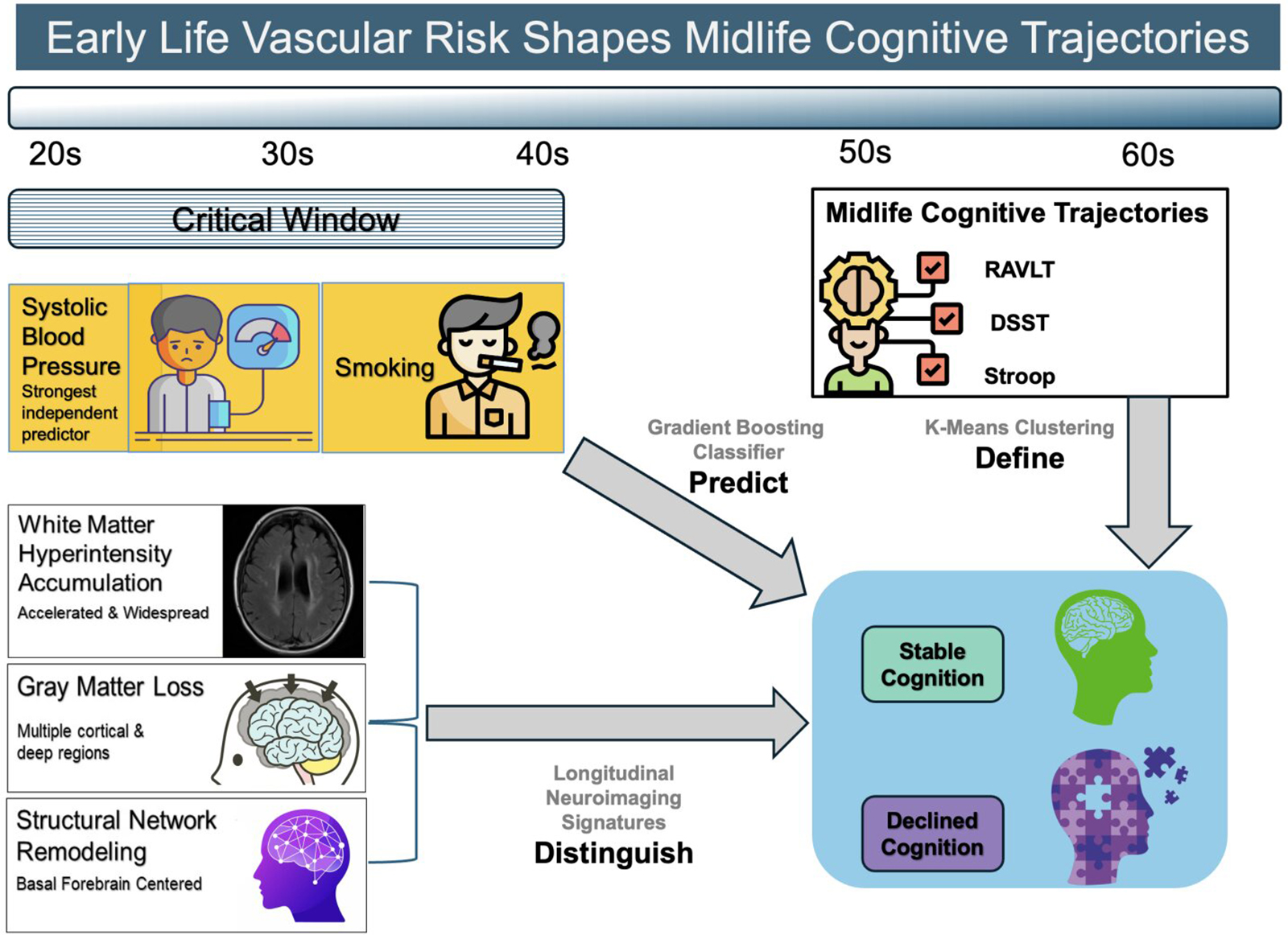
Early Life Vascular Risk and Midlife Markers of Brain Aging: Insights from Longitudinal Neuroimaging and Cognitive Trajectory Studies

By MedXY|Sep 17, 2026

This review synthesizes longitudinal evidence linking early adulthood vascular risks, particularly elevated systolic blood pressure and smoking, to midlife cognitive decline and brain structural alterations. It highlights critical intervent

Association of Clonal Hematopoiesis With Silent Brain Lesions and Cognitive Decline in Patients With Atrial Fibrillation: An Integrative Review
Cardiologysilent brain lesionsClonal hematopoiesis

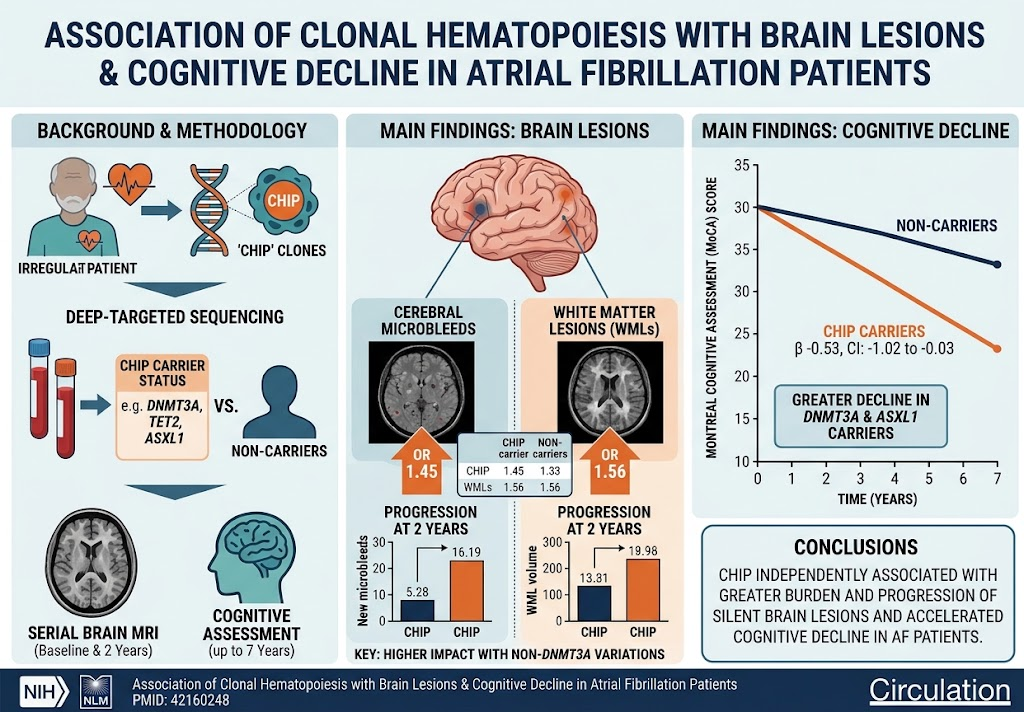
Association of Clonal Hematopoiesis With Silent Brain Lesions and Cognitive Decline in Patients With Atrial Fibrillation: An Integrative Review

By MedXY|Aug 24, 2026

Clonal hematopoiesis (CHIP) significantly associates with increased silent brain lesions and progressive cognitive decline in atrial fibrillation patients, highlighting a novel neurovascular risk factor with implications for patient managem

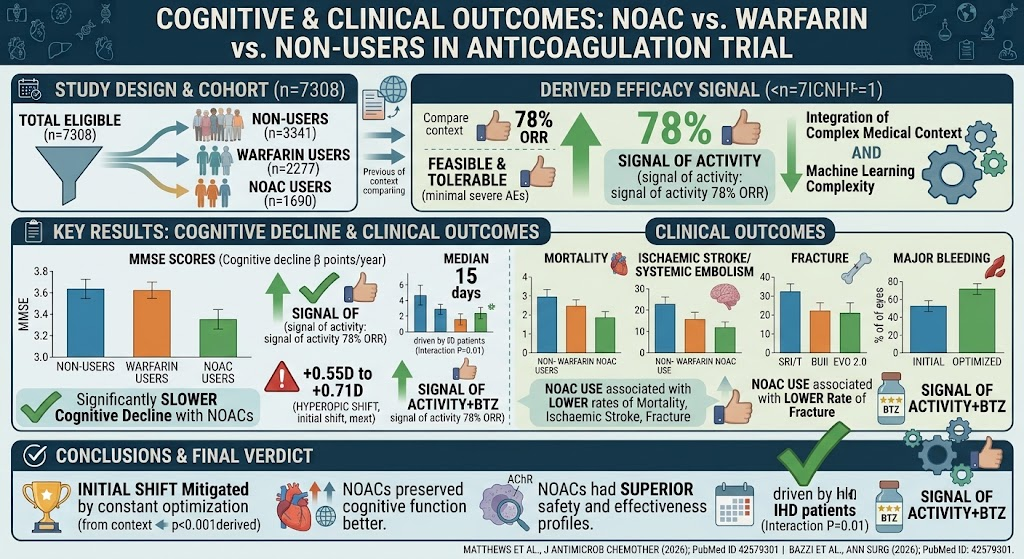
Oral Anticoagulants, Cognition, and Clinical Outcomes in Atrial Fibrillation and Alzheimer’s Disease: Insights from a Swedish Nationwide Study
CardiologyNOACsoral anticoagulants

Oral Anticoagulants, Cognition, and Clinical Outcomes in Atrial Fibrillation and Alzheimer’s Disease: Insights from a Swedish Nationwide Study

By MedXY|Aug 13, 2026

This review synthesizes evidence linking NOAC use to slower cognitive decline and improved clinical outcomes in patients with atrial fibrillation and Alzheimer’s disease, highlighting advantages over warfarin and non-use.

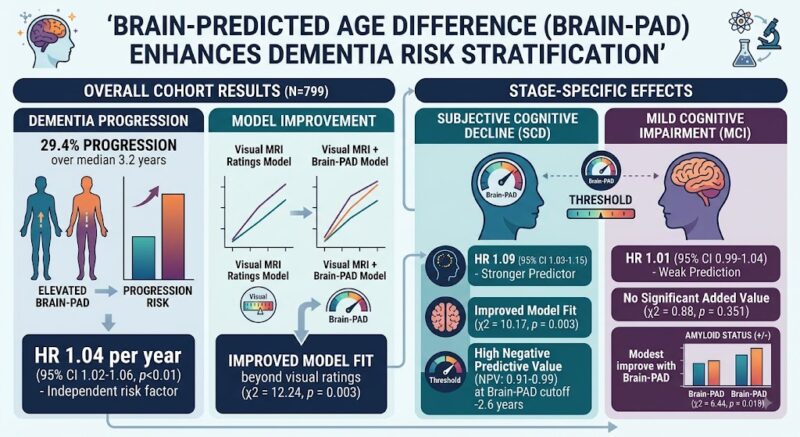
Brain-Predicted Age Difference Enhances Dementia Risk Stratification in Subjective Cognitive Decline Beyond Standard MRI Assessment
NeurologyMRIBrain Age

Brain-Predicted Age Difference Enhances Dementia Risk Stratification in Subjective Cognitive Decline Beyond Standard MRI Assessment

By MedXY|Aug 11, 2026

Brain-predicted age difference (brain-PAD) from MRI improves early dementia risk prediction in patients with subjective cognitive decline, outperforming traditional visual MRI ratings and offering prognostic value beyond amyloid biomarkers,

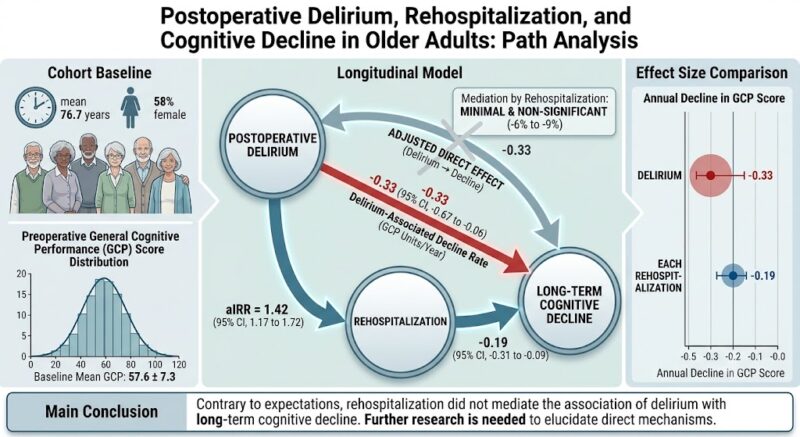
Deciphering the Link Between Postoperative Delirium, Rehospitalization, and Cognitive Decline in Older Adults
Internal Medicinerehospitalizationpostoperative delirium

Deciphering the Link Between Postoperative Delirium, Rehospitalization, and Cognitive Decline in Older Adults

By MedXY|Aug 10, 2026

This study investigates whether recurrent hospitalizations mediate the association of postoperative delirium with long-term cognitive decline in seniors after major surgery, finding that rehospitalization does not significantly affect this

Influence of Parity on Cognitive Decline and Hippocampal Atrophy in Amyloid-Positive Postmenopausal Women
NeurologyParityβ-Amyloid

Influence of Parity on Cognitive Decline and Hippocampal Atrophy in Amyloid-Positive Postmenopausal Women

By MedXY|Aug 18, 2026

Higher parity in cognitively unimpaired postmenopausal women with positive β-amyloid status is linked to accelerated cognitive decline and hippocampal volume reduction, suggesting parity modulates resilience to Alzheimer’s pathology in prec

Neurologyamyloidcognitive decline

Brain Imaging Biomarkers and Cognitive Outcomes in a Multidomain Lifestyle Intervention: The POINTER Imaging Ancillary Study

By MedXY|Jun 17, 2026

The POINTER Imaging study found no overall brain biomarker changes from a structured lifestyle intervention, but participants with lower baseline hippocampal volume showed greater cognitive benefit, suggesting imaging may help identify who

Prior Myocardial Infarction and Cognitive Decline: Insights from the REGARDS Cohort
Cardiologycardiovascular riskcognitive decline

Prior Myocardial Infarction and Cognitive Decline: Insights from the REGARDS Cohort

By MedXY|May 16, 2026

In the REGARDS cohort, prior myocardial infarction, including silent MI, was linked to faster long-term cognitive decline, suggesting heart attack history may help identify people at risk for future cognitive impairment.

Effects of Exercise and Intensive Vascular Risk Reduction on Cognitive Function in Older Adults: A Randomized Clinical Trial
Cardiologyblood pressurecholesterol

Effects of Exercise and Intensive Vascular Risk Reduction on Cognitive Function in Older Adults: A Randomized Clinical Trial

By MedXY|May 16, 2026

A 24-month randomized trial found that exercise, intensive blood pressure and cholesterol control, or both together did not significantly improve cognitive function in older adults at increased risk for dementia.

Cerebral “Dirty-Appearing” White Matter and Its Link to Cognitive Decline and Dementia Risk
Neurologycognitive declineDementia

Cerebral “Dirty-Appearing” White Matter and Its Link to Cognitive Decline and Dementia Risk

By MedXY|May 13, 2026

In older adults with limited small vessel disease, “dirty-appearing” white matter on MRI was not linked to baseline cognition, cognitive decline, or dementia risk, unlike conventional white matter hyperintensities.

DASH and Other Healthy Diets Linked to Lower Cognitive Decline Risk in Large U.S. Cohorts
Neurologycognitive declineDASH diet

DASH and Other Healthy Diets Linked to Lower Cognitive Decline Risk in Large U.S. Cohorts

By MedXY|Apr 19, 2026

In two large U.S. cohorts, greater adherence to healthy dietary patterns—especially DASH—was associated with less subjective cognitive decline and slightly better objective cognition.

Biological Age Outpaces Chronological Age in Predicting Cerebral Small Vessel Disease Progression
Cardiologybiological agingcognitive decline

Biological Age Outpaces Chronological Age in Predicting Cerebral Small Vessel Disease Progression

By MedXY|Apr 14, 2026

This longitudinal cohort study reveals that biomarker-based biological age, particularly KDMAge and PhenoAge residuals, significantly predicts progression of cerebral small vessel disease, including new lacunes and microbleeds, offering pot

The Landscape of Late-Life Dementia: Why Mixed Neuropathologies Are the Rule, Not the Exception
NeurologyAlzheimer's diseasecognitive decline

The Landscape of Late-Life Dementia: Why Mixed Neuropathologies Are the Rule, Not the Exception

By MedXY|Feb 12, 2026

A large-scale longitudinal study reveals that over 80% of community-dwelling older adults harbor mixed neuropathologies, identifying five distinct profiles that dictate specific cognitive decline trajectories, with ADNC and LATE-NC clusters

Low-Dose Rivaroxaban Fails to Halt Cognitive Decline in Low-Risk Atrial Fibrillation: Results from the BRAIN-AF Trial
Cardiologyatrial fibrillationcognitive decline

Low-Dose Rivaroxaban Fails to Halt Cognitive Decline in Low-Risk Atrial Fibrillation: Results from the BRAIN-AF Trial

By MedXY|Jan 22, 2026

The multicenter BRAIN-AF trial found that rivaroxaban did not prevent cognitive decline or stroke in patients with atrial fibrillation and low CHA2DS2-VASc scores. Despite significant cognitive deterioration observed across both groups, the

Blarcamesine in Early Alzheimer’s Disease: Promising Results Amidst Controversies
Internal MedicineAlzheimer's diseaseclinical trials

Blarcamesine in Early Alzheimer’s Disease: Promising Results Amidst Controversies

By MedXY|Dec 25, 2025

Blarcamesine shows potential in slowing early Alzheimer’s progression, but questions about trial data robustness and transparency have been raised.

Beyond a Positive Result: α-Synuclein Seeding Kinetics Predict Cognitive Decline in Parkinson’s Disease
Neurologybiomarkerscognitive decline

Beyond a Positive Result: α-Synuclein Seeding Kinetics Predict Cognitive Decline in Parkinson’s Disease

By MedXY|Dec 23, 2025

A large-scale longitudinal study reveals that α-synuclein seed amplification assay (SAA) kinetic measures, particularly time to threshold, can differentiate Parkinson’s from PSP and predict future cognitive decline independently of Al

White Matter Microstructure and Cognitive Decline in Aging and Alzheimer Disease: A Comprehensive Review of Recent Advances
Clinical UpdatesAlzheimer diseasecognitive decline

White Matter Microstructure and Cognitive Decline in Aging and Alzheimer Disease: A Comprehensive Review of Recent Advances

By MedXY|Dec 10, 2025

This review synthesizes recent large-scale multi-cohort studies revealing white matter microstructural abnormalities—especially free water increases—in limbic tracts as critical markers of cognitive decline in aging and Alzheimer’s di

High-Sensitivity Cardiac Troponins and Dementia Risk: Insights from Longitudinal Cohort Studies
CardiologybiomarkersCardiac troponin

High-Sensitivity Cardiac Troponins and Dementia Risk: Insights from Longitudinal Cohort Studies

By MedXY|Nov 28, 2025

Elevated high-sensitivity cardiac troponin I and T levels, indicative of subclinical myocardial injury in midlife, are associated with accelerated cognitive decline, structural brain changes, and increased dementia risk in later life.

Do Vascular Pathways Explain How Lifestyle Affects Dementia Risk? A Critical Look at the Evidence
Cardiologycardiovascular diseasecognitive decline

Do Vascular Pathways Explain How Lifestyle Affects Dementia Risk? A Critical Look at the Evidence

By MedXY|Nov 9, 2025

A scoping review found sparse and inconsistent mediation analyses assessing cardiovascular disease as the pathway linking lifestyle factors to cognition; evidence is tentative for physical activity but urgent, better-designed studies are ne

1 / 2
12
Next
Ask MedXY AI

Most popular

Intimate Health
Five Benefits for Women Continuing Sexual Activity After Menopause
Intimate Health
Why Some Women Have a Strong Sex Drive—And Why Men Shouldn't Worry About It
Nursing & care
How often should a couple have sex?
Intimate Health
Classic Intimacy Recommendations: How to Help Women Reach Orgasm and Enjoy Mutual Pleasure
Intimate Health
What Makes a Woman "Physiologically Addicted" Is Never Money, But These Two Relationship Qualities