Four Diets That May Help Extend Lifespan and Reduce Mortality Risks
Introduction: The Role of Diet in Lifespan and Health
Maintaining a balanced and nutritious diet has long been associated with improved health outcomes. A recent study published in JAMA Internal Medicine provides concrete evidence supporting the benefits of four distinct healthy eating patterns in extending lifespan and reducing mortality risks from major diseases.
The Study: Investigating the Impact of Healthy Diets
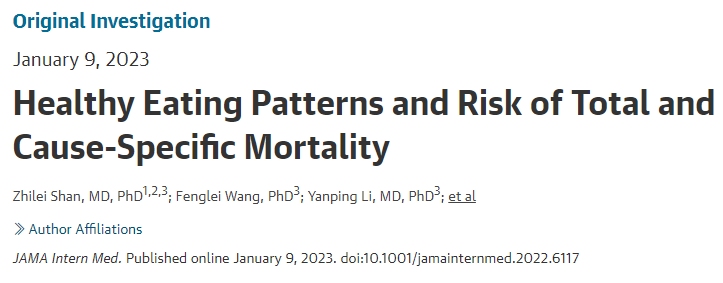
The research, involving a collaboration between Huazhong University of Science and Technology and Harvard University, analyzed dietary data from 119,315 participants. These individuals, ranging in age from 50 to 53 on average, included nurses and health professionals who were free from cardiovascular disease or cancer at the onset of the study. Over 36 years of follow-up, 54,163 deaths were recorded.
The Four Eating Patterns Examined
The study focused on four healthy dietary patterns:
1. The 2015 Healthy Eating Index: Emphasizing variety and nutrient density.
2. The Alternate Mediterranean Diet: Featuring olive oil, nuts, whole grains, and limited red meat.
3. The Healthy Plant-Based Diet: Focused on plant-derived foods like vegetables, legumes, and fruits.
4. The Alternate Healthy Eating Index: Concentrating on high-quality carbohydrates, fats, and protein sources.
Key Findings
The analysis revealed that participants adhering to these diets had a significantly lower risk of death from all causes. Specifically:
– The 2015 Healthy Eating Index reduced overall mortality risk by 19%.
– The Alternate Mediterranean Diet by 18%.
– The Healthy Plant-Based Diet by 14%.
– The Alternate Healthy Eating Index by 20%.
Moreover, these diets were found to reduce mortality risks associated with cardiovascular disease, cancer, and respiratory illnesses. Notably, the Mediterranean and Alternate Healthy Eating patterns showed additional benefits in lowering risks of neurodegenerative diseases.
Consistency Across Demographics
Importantly, the protective effects of these diets were consistent across racial and ethnic groups, suggesting their broad applicability and effectiveness.
Implications and Takeaways
This study underscores the importance of dietary choices in promoting long-term health. It bolsters recommendations from the U.S. Dietary Guidelines, which advocate for diverse and flexible approaches to healthy eating, tailored to individual preferences and needs.
Conclusion
Incorporating elements of these diets, such as whole grains, vegetables, fruits, nuts, and legumes, into daily meals can be a practical step toward improving health outcomes. As research continues to evolve, such findings provide valuable insights into the pivotal role of nutrition in achieving longevity and reducing disease risks.
Reference
Shan Z, Wang F, Li Y, Baden MY, Bhupathiraju SN, Wang DD, Sun Q, Rexrode KM, Rimm EB, Qi L, Tabung FK, Giovannucci EL, Willett WC, Manson JE, Qi Q, Hu FB. Healthy Eating Patterns and Risk of Total and Cause-Specific Mortality. JAMA Intern Med. 2023 Feb 1;183(2):142-153. doi: 10.1001/jamainternmed.2022.6117 IF: 23.3 Q1 . Erratum in: JAMA Intern Med. 2023 Jun 1;183(6):627. doi: 10.1001/jamainternmed.2023.0931 IF: 23.3 Q1 .
This article was created using several editorial tools, including AI, as part of the process. Human editors reviewed this content before publication.