For years, many people have looked at a blood pressure reading of 130/80 mmHg on a health checkup and breathed a sigh of relief—after all, it sits below the classic 140/90 mmHg threshold for diagnosing hypertension.
It is time to update that mindset. In October 2026, the International Society of Hypertension (ISH) released the 2026 Global Hypertension Practice Guidelines in the Journal of Hypertension, marking its first major overhaul in six years. One of the biggest takeaways for everyday readers is a shift in terminology and urgency: what used to be called “high-normal” blood pressure—130–139/80–89 mmHg—is now officially labeled “elevated blood pressure” and calls for earlier attention.
What Changed in the 2026 Guidelines?
The 2026 Global Hypertension Practice Guidelines update screening, diagnosis, and treatment goals while keeping 140/90 mmHg as the formal diagnostic threshold for hypertension. They set two main treatment targets:
- Basic control target: Below 140/90 mmHg
- Optimal target: Below 130/80 mmHg
Crucially, aiming for below 130/80 mmHg is no longer framed mainly for younger adults; it is recommended for most people—including many older adults.
Adult Blood Pressure Categories in the 2026 Guidelines
- Normal blood pressure: Below 130/80 mmHg
- Elevated blood pressure: 130–139/80–89 mmHg
- Grade 1 hypertension: 140–159/90–99 mmHg
- Grade 2 hypertension: 160/100 mmHg or higher
In plain terms, 130–139/80–89 mmHg is no longer treated as “nearly normal.” It is an abnormal range that warrants clinical attention and early intervention so people do not wait until full-blown hypertension develops to take action.
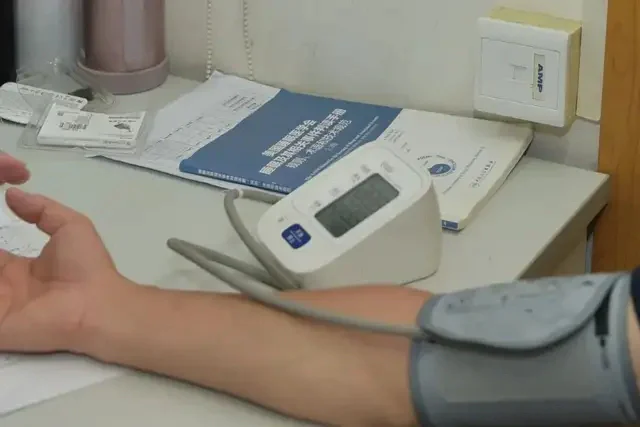
The guidelines also standardize clinic blood pressure checks: readings should be taken across at least two visits, measured three times per visit, averaging the last two readings. At the same time, one size does not fit all—people over 85, those who are frail, prone to orthostatic hypotension (dizziness upon standing), or have limited life expectancy need individualized targets set with a doctor.
Real Health Payoffs of Tighter Blood Pressure Control
Research highlighted in the report underscores why keeping blood pressure on the lower side pays off across multiple organ systems:
- Longer life expectancy: A 2020 study in JAMA Cardiology found that lowering systolic blood pressure below 120 mmHg can extend life expectancy in people with hypertension by 6 months to 3 years—including nearly 3 years for a 50-year-old and 1.2 years for a 65-year-old.
- Lower heart disease risk: A 2023 study in the Chinese Journal of Cardiology noted that even in young adults, readings above 120/80 mmHg are tied to higher risk of early-onset heart disease, with higher pressures linked to earlier onset and greater prevalence.
- Reduced risk of brain hemorrhage: A 2025 study in the Journal of the American College of Cardiology showed that among patients with high cardiovascular risk—with or without diabetes or prior stroke—lowering systolic blood pressure below 120 mmHg cut hemorrhagic stroke risk in half compared with targeting below 140 mmHg, without increasing ischemic stroke risk.
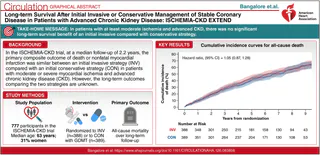
- Slower kidney decline: A 2021 study in the American Journal of Kidney Disease reported that compared with chronic kidney disease patients starting below 120 mmHg, those with systolic readings of 120–129 mmHg, 130–139 mmHg, and 140 mmHg or higher faced 10%, 20%, and 43% higher risks of kidney function worsening (including halving of kidney function or kidney failure).
- Slower brain aging: A 2021 study in Frontiers in Aging Neuroscience suggested that even readings within standard targets can influence brain aging, estimating that midlife brain age appeared more than 6 months younger at 110/70 mmHg compared with 135/85 mmHg.
12 Everyday Habits That Help Lower Blood Pressure
Lifestyle changes are foundational—combining healthy habits can reduce systolic blood pressure by 10 mmHg or more. The guidelines outline 12 practical strategies you can practice at home:
- Cut back on salt and sodium: Excess sodium raises blood volume and strains blood vessels. Aim for less than 5 grams of salt per day (or less than 2 grams of sodium) by using less seasoning and limiting soy sauce and processed foods.
- Get sensible potassium: Potassium helps the body excrete sodium and relax blood vessels. Eat more fresh fruits and vegetables, low-fat milk, yogurt, and legumes, and consider potassium-enriched low-sodium salt (use caution if you have kidney disease).
- Follow a heart-healthy eating pattern: Approaches like the DASH (Dietary Approaches to Stop Hypertension) diet emphasize leafy greens, beans, soy foods, and nuts while limiting added sugars—especially sugary drinks—to support healthier blood vessels.
- Eat plenty of dietary fiber: Fiber supports metabolic health and blood pressure control. Swap some refined grains for whole grains and include fiber-rich foods like lentils, broccoli, kale, cabbage, blueberries, and avocado.
- Choose supportive drinks: Moderate amounts of beverages such as beetroot juice, green or black tea, hibiscus tea, pomegranate juice, and unsweetened cocoa can play a supportive role alongside—not in place of—medical care.
- Strictly limit alcohol: Alcohol can cause blood pressure swings and make control harder. Avoiding alcohol is ideal; if you drink, keep it to at most 2 standard drinks per week and avoid binge drinking.
- Manage body weight: Excess weight—especially abdominal obesity—is a major risk factor. Aim for a waist-to-height ratio below 0.5, evaluated together with BMI.
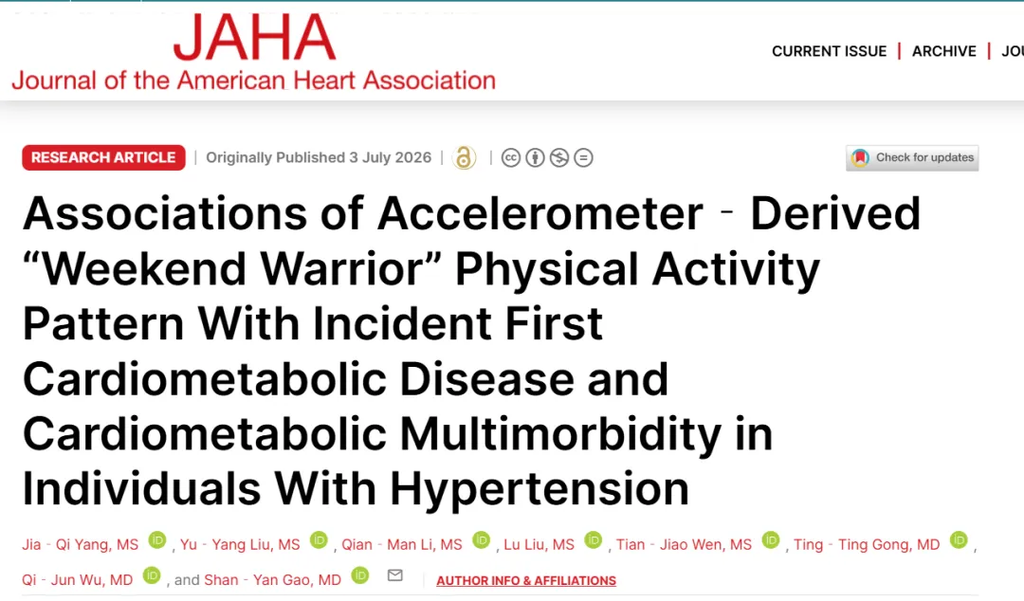
- Exercise regularly: Aim for aerobic activities like brisk walking, jogging, cycling, yoga, or swimming on 5–7 days a week for at least 30 minutes per session, paired with high-intensity interval training (HIIT) and strength training 2–3 times a week. Even weekend or concentrated workouts offer benefits, though spreading activity across the week is gentler on blood pressure.
- Manage stress: Chronic stress activates the sympathetic nervous system and pushes blood pressure up. Practices like mindfulness, yoga, meditation, or listening to music for 30+ minutes 3 times a week can help calm that response.
- Prioritize quality sleep: Aim for 7–8 hours of regular sleep per night, avoid alcohol and heavy eating within 3 hours of bedtime, and get evaluated for sleep apnea if you snore heavily or gasp during sleep, as it drives up nighttime blood pressure.
- Quit smoking completely: Nicotine in cigarettes, nicotine pouches, and e-cigarettes constricts blood vessels and harms the vascular lining. Quitting all tobacco and nicotine products is essential—just watch for post-cessation weight gain.
- Stick to evidence-based medication: Do not rely on unproven remedies or unverified herbal substitutes to lower blood pressure. Follow clinical guidance combining appropriate medication with daily lifestyle habits.