We use cookies

Our website uses essential cookies and, with your consent, additional cookies to measure performance and improve our services. Cookie Policy.

You can change your choice at any time.

MMedXYNews
HomeVideos
MedXY AI/MedXY News/Tag: machine learning
MedXY News
EnglishTag

machine learning

Ask MedXY AI
type 2 diabetesclinical trialheart failureimmunotherapyobesitycardiovascular riskatrial fibrillationbiomarkerscritical careclinical trialsHypertensionartificial intelligenceCardiologyoncologypublic healthtype 1 diabetesdiabetesMortalityAlzheimer's diseasecardiovascular diseasebreast cancerepidemiology

Latest news

Tag

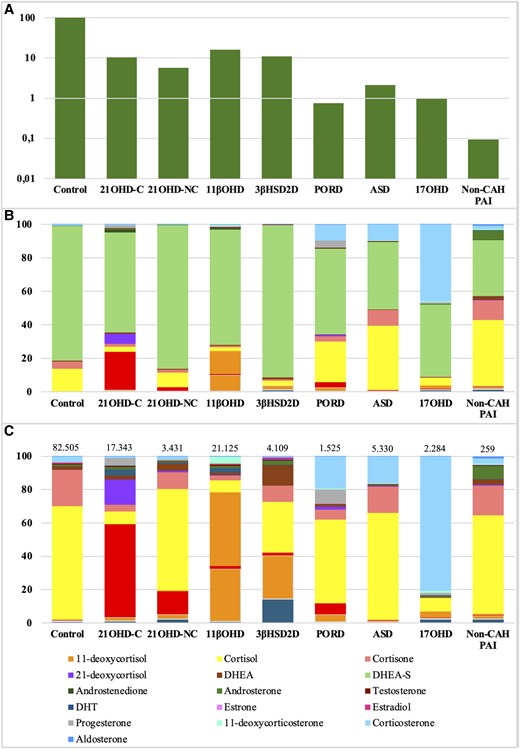
Machine Learning-enhanced Steroid Profiling for Rapid Diagnosis of Congenital Adrenal Steroidogenesis Disorders
Diabetes & EndocrinologySteroid ProfilingCongenital Adrenal Disorders

Machine Learning-enhanced Steroid Profiling for Rapid Diagnosis of Congenital Adrenal Steroidogenesis Disorders

By MedXY|Sep 19, 2026

This article reviews a validated machine learning decision-tree model using LC-MS/MS steroid profiles to accurately and rapidly diagnose congenital disorders of adrenal steroidogenesis (CDAS), enhancing clinical decision-making and patient
Enhancing COPD Detection through Integrated Quantitative CT Biomarkers in Lung Cancer Screening Programs
newsquantitative CTmachine learning

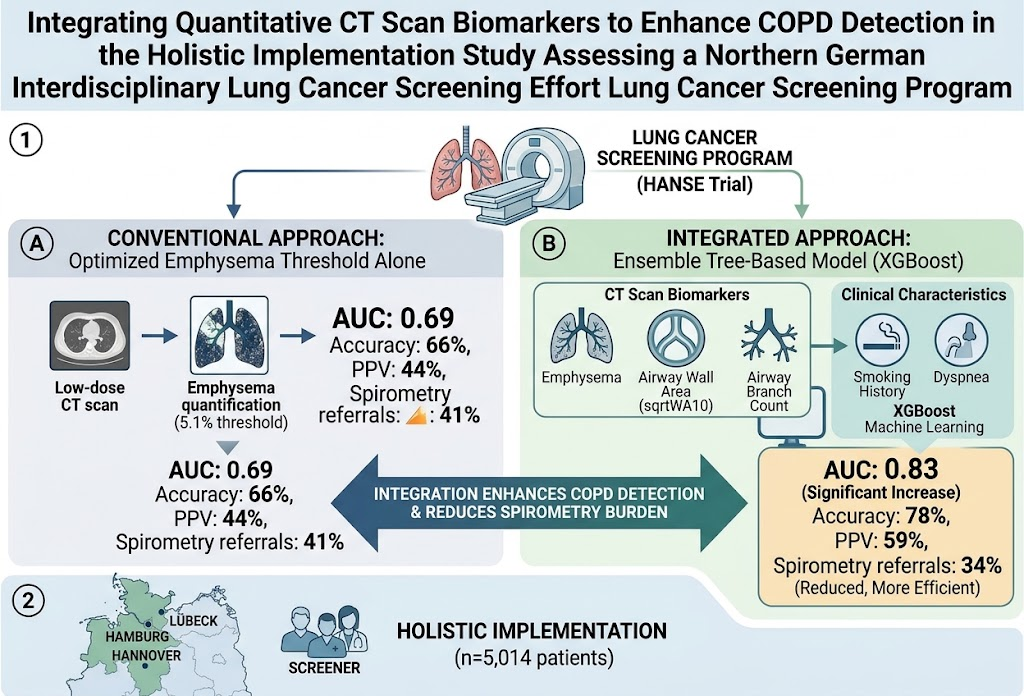
Enhancing COPD Detection through Integrated Quantitative CT Biomarkers in Lung Cancer Screening Programs

By MedXY|Sep 11, 2026

This study demonstrates that combining quantitative CT biomarkers with clinical data significantly improves the detection of previously undiagnosed COPD within lung cancer screening populations, optimizing referrals for confirmatory spirome

Circulating Exosomal microRNA Signature Enhances Preoperative Detection of Occult Liver Metastases in Pancreatic Cancer
General SurgeryExosomal microRNALiver Metastasis

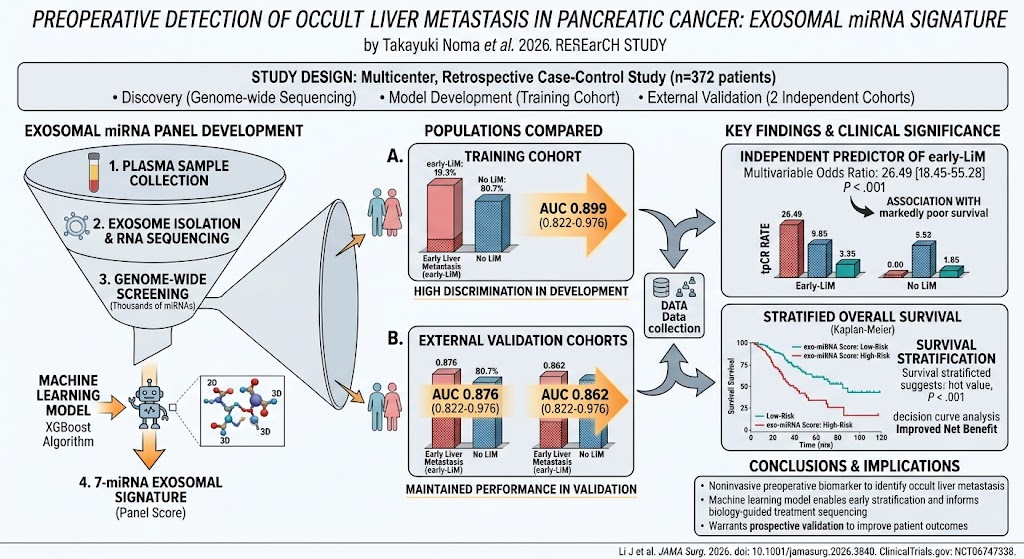
Circulating Exosomal microRNA Signature Enhances Preoperative Detection of Occult Liver Metastases in Pancreatic Cancer

By MedXY|Sep 7, 2026

A multicenter study developed a robust exosomal microRNA-based model enabling preoperative detection of occult liver micrometastasis in pancreatic ductal adenocarcinoma, improving risk stratification and guiding treatment sequencing.

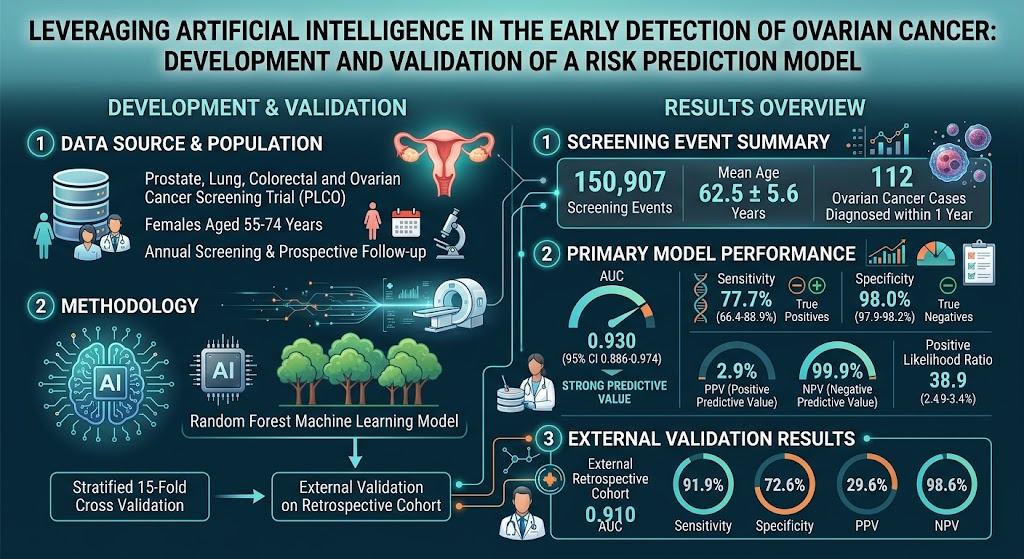
Harnessing Artificial Intelligence for Early Detection of Ovarian Cancer: Development and Validation of a Predictive Risk Model
AIearly detectionRisk Prediction

Harnessing Artificial Intelligence for Early Detection of Ovarian Cancer: Development and Validation of a Predictive Risk Model

By MedXY|Aug 31, 2026

A novel AI-driven risk prediction model for ovarian cancer demonstrates high accuracy and potential to improve early detection in screening settings.

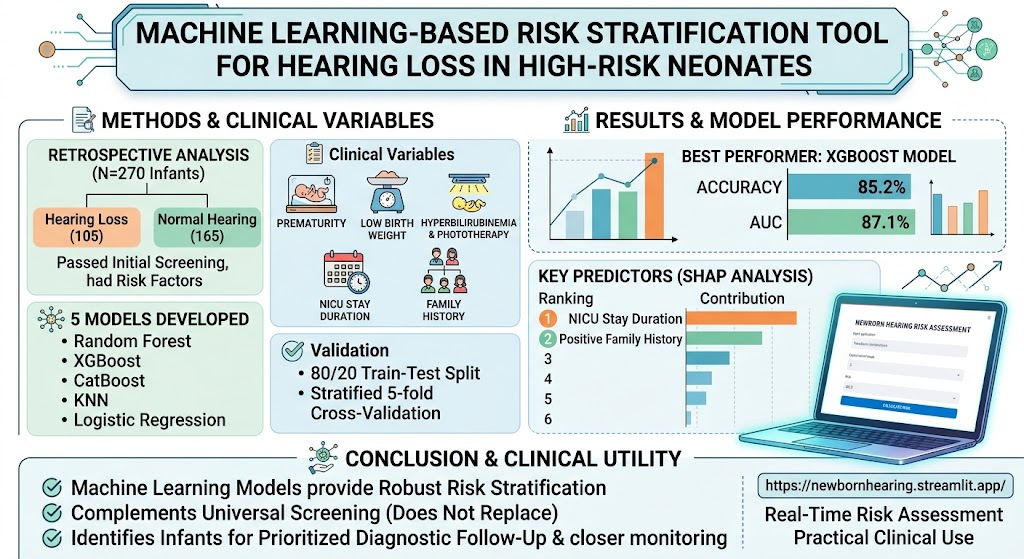
Enhancing Early Detection of Neonatal Hearing Loss: A Machine Learning Risk Stratification Approach
newsrisk stratificationXGBoost

Enhancing Early Detection of Neonatal Hearing Loss: A Machine Learning Risk Stratification Approach

By MedXY|Aug 31, 2026

This article discusses a novel machine learning-based tool, especially XGBoost, to predict hearing loss risk in high-risk neonates using clinical factors for targeted early intervention.

Optimizing Capillary Ketone Testing Frequency to Predict Short-Term Diabetic Ketoacidosis Risk in Type 1 Diabetes
Diabetes & EndocrinologyCapillary ketone testingdiabetic ketoacidosis

Optimizing Capillary Ketone Testing Frequency to Predict Short-Term Diabetic Ketoacidosis Risk in Type 1 Diabetes

By MedXY|Aug 29, 2026

Weekly well-day capillary ketone testing maintains predictive accuracy for 1-month diabetic ketoacidosis risk, offering a practical and less burdensome monitoring strategy for patients with type 1 diabetes.

Advancing Prognostication in Transthyretin Amyloid Cardiomyopathy: A Machine Learning Risk Prediction Model
Cardiologymachine learningPrognostic Model

Advancing Prognostication in Transthyretin Amyloid Cardiomyopathy: A Machine Learning Risk Prediction Model

By MedXY|Aug 30, 2026

A novel machine learning-based model demonstrates improved risk prediction in transthyretin amyloid cardiomyopathy, surpassing traditional staging systems and supporting personalized patient management.

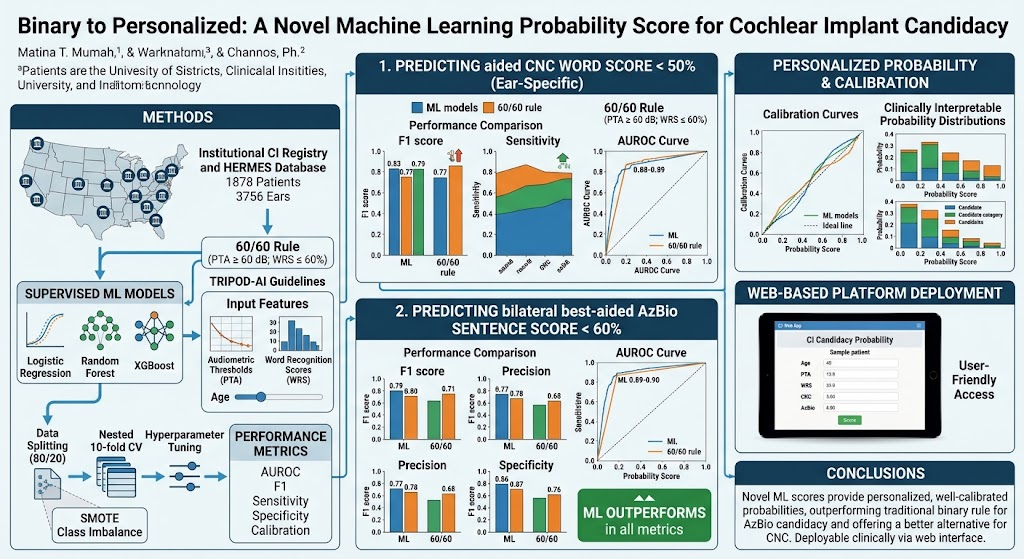
Binary to Personalized: Enhancing Cochlear Implant Candidate Screening with Machine Learning Probability Scores
AIpersonalized medicineAudiology

Binary to Personalized: Enhancing Cochlear Implant Candidate Screening with Machine Learning Probability Scores

By MedXY|Aug 23, 2026

This study introduces a validated machine learning tool providing personalized probability scores to improve cochlear implant candidacy screening, surpassing traditional rules by enabling tailored patient counseling and identifying borderli

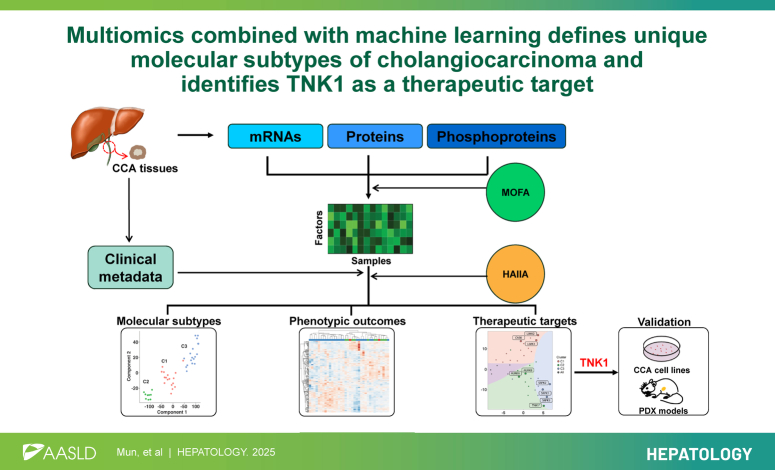
Multiomic Profiling and Machine Learning Reveal Distinct Molecular Subtypes of Cholangiocarcinoma and Identify TNK1 as a Novel Therapeutic Target
Gastroenterologytherapeutic targetTNK1

Multiomic Profiling and Machine Learning Reveal Distinct Molecular Subtypes of Cholangiocarcinoma and Identify TNK1 as a Novel Therapeutic Target

By MedXY|Aug 21, 2026

This study delineates three unique molecular subtypes of cholangiocarcinoma via integrated multiomic and machine learning methodologies, highlighting TNK1 kinase as a promising targeted therapy in a metabolic subtype.

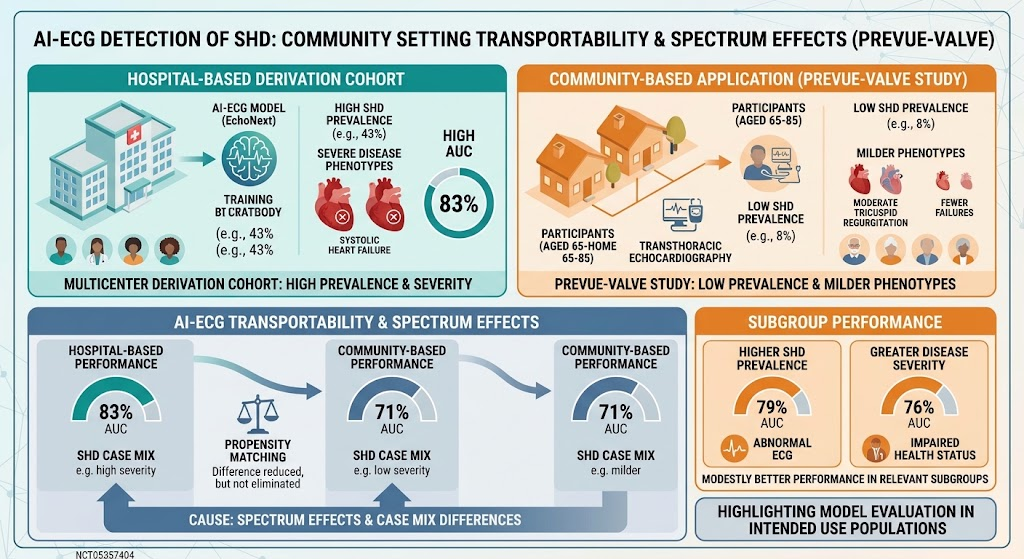
AI-ECG for Detecting Structural Heart Disease in the Community: Evaluating Real-World Applicability in the PREVUE-VALVE Study
AIcommunity health结构性心脏病

AI-ECG for Detecting Structural Heart Disease in the Community: Evaluating Real-World Applicability in the PREVUE-VALVE Study

By MedXY|Aug 21, 2026

The PREVUE-VALVE Study demonstrates that AI-ECG models developed in hospital settings show reduced diagnostic accuracy when applied to community populations with lower disease prevalence and milder structural heart disease, underscoring the

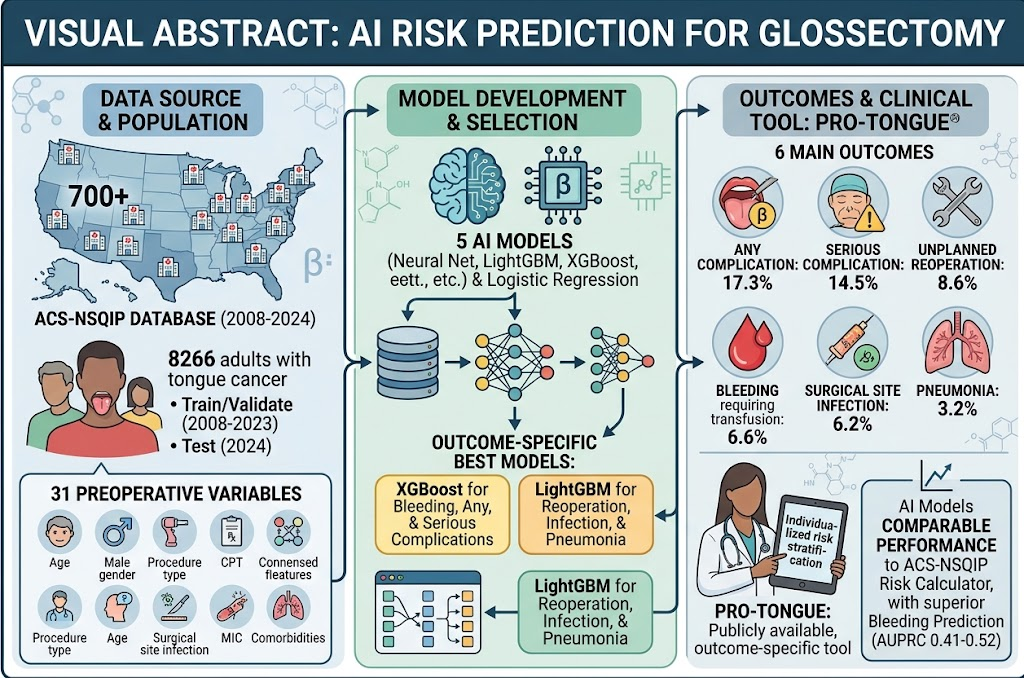
Artificial Intelligence Enhances Risk Prediction for Postoperative Complications After Tongue Cancer Surgery
AI术后并发症Risk Prediction

Artificial Intelligence Enhances Risk Prediction for Postoperative Complications After Tongue Cancer Surgery

By MedXY|Aug 18, 2026

Machine learning models can effectively predict major 30-day complications following glossectomy for tongue cancer, improving individualized risk assessment over traditional methods.

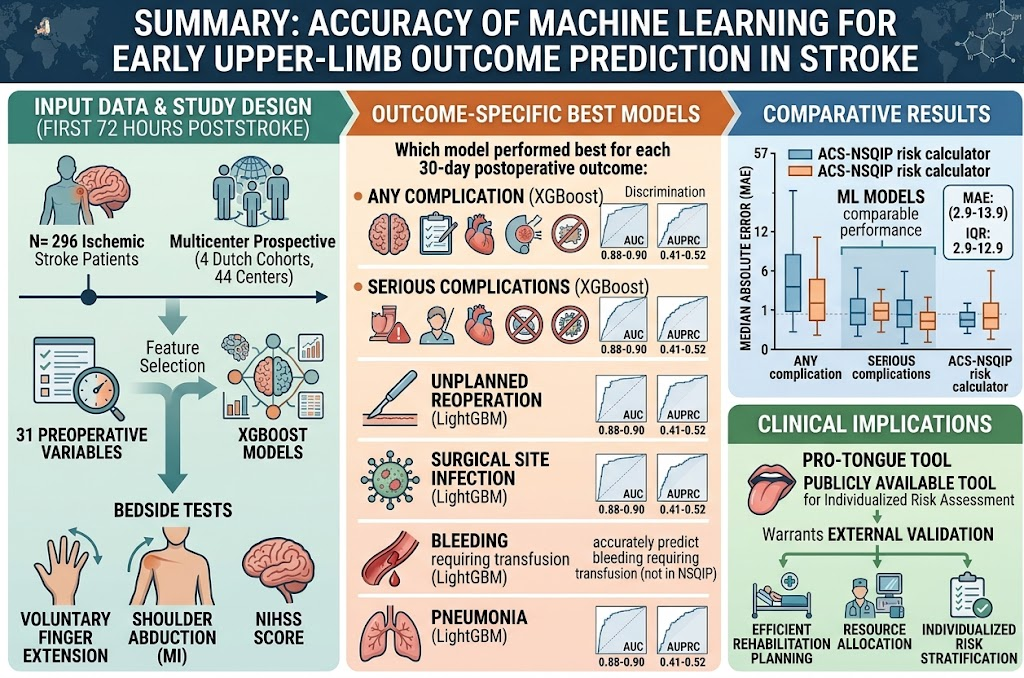
Early Prediction of Upper-Limb Recovery Poststroke Using Machine Learning: A Clinically Feasible Approach
AIstrokeRehabilitation Prognosis

Early Prediction of Upper-Limb Recovery Poststroke Using Machine Learning: A Clinically Feasible Approach

By MedXY|Aug 18, 2026

A machine learning model using simple clinical tests within 72 hours poststroke accurately predicts 6-month upper-limb motor outcomes, aiding rehabilitation planning.

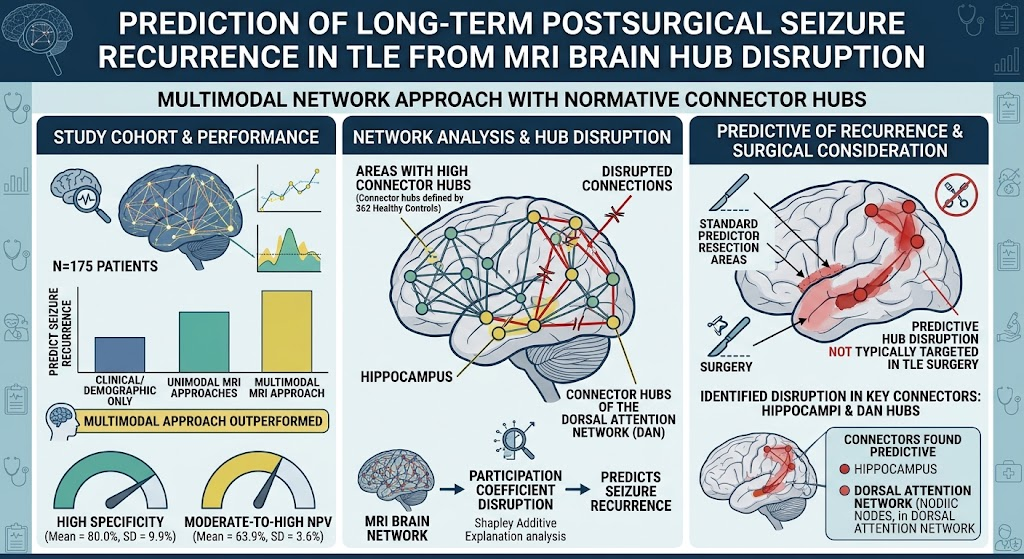
MRI-Based Brain Network Disruption Predicts Long-Term Seizure Recurrence in Temporal Lobe Epilepsy Surgery
Neurologybrain network hubstemporal lobe epilepsy

MRI-Based Brain Network Disruption Predicts Long-Term Seizure Recurrence in Temporal Lobe Epilepsy Surgery

By MedXY|Aug 17, 2026

Advanced MRI connectome analysis identifies disruption of key brain hubs as biomarkers predicting long-term seizure recurrence after temporal lobe epilepsy surgery, improving postoperative risk stratification.

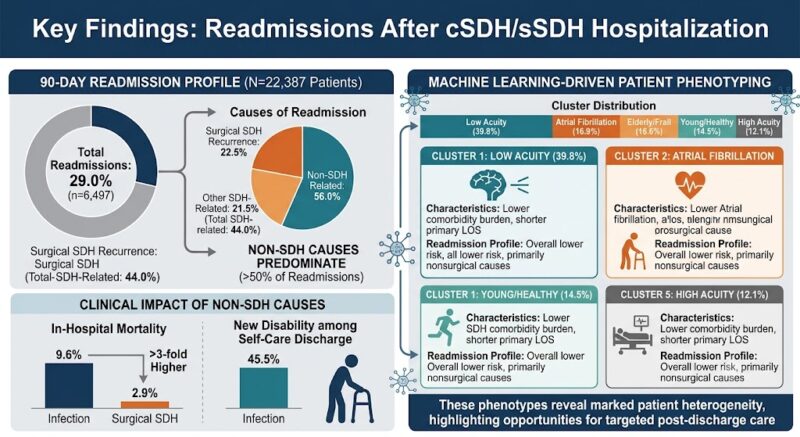
Diverse Readmission Profiles After Chronic Subdural Hematoma: Insights from Machine Learning Phenotyping
Neurologypatient phenotyping入院再入院

Diverse Readmission Profiles After Chronic Subdural Hematoma: Insights from Machine Learning Phenotyping

By MedXY|Aug 9, 2026

Readmissions following chronic/subacute subdural hematoma hospitalizations are common and mostly nonsurgical, with varied clinical trajectories. Machine learning analysis reveals distinct patient clusters with unique readmission risks, unde

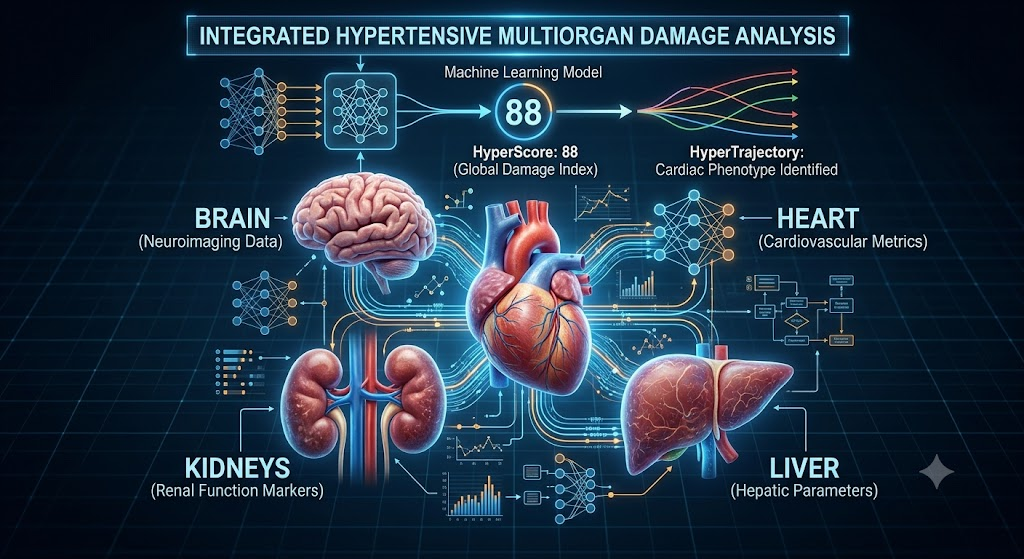
Revolutionizing Hypertension Management: Machine Learning to Decode Multiorgan Damage and New Disease Phenotypes
Cardiologymachine learningHypertension

Revolutionizing Hypertension Management: Machine Learning to Decode Multiorgan Damage and New Disease Phenotypes

By MedXY|Aug 8, 2026

Highlight This unprecedented large-scale multinational study developed a semisupervised contrastive machine learning framework that generates a global

Risk-Guided Screening for Atrial Fibrillation Using Electronic Health Records
Cardiologyatrial fibrillationElectronic Health Records

Risk-Guided Screening for Atrial Fibrillation Using Electronic Health Records

By MedXY|Jul 30, 2026

A machine learning model using electronic health records effectively identifies patients at high risk of atrial fibrillation, enabling targeted screening and early diagnosis to prevent stroke.

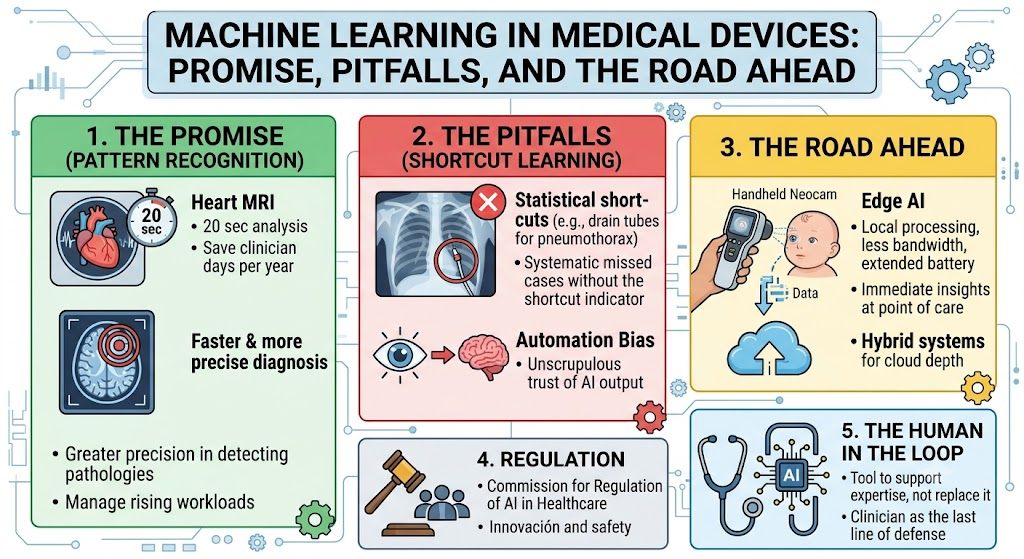
Machine Learning in Medical Devices: Promise, Pitfalls, and the Road Ahead
MedTechmachine learningmedical devices

Machine Learning in Medical Devices: Promise, Pitfalls, and the Road Ahead

By MedXY|Jul 29, 2026

Machine learning is transforming medical devices but faces challenges like shortcut learning and automation bias. Edge AI and evolving regulation aim to balance innovation with safety.

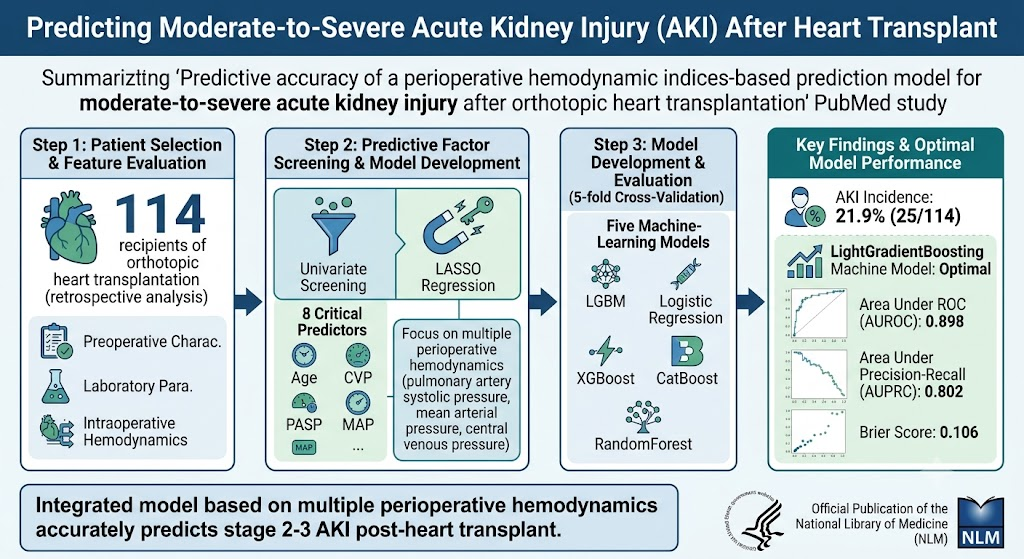
Machine-learning model incorporating perioperative hemodynamics predicts moderate-to-severe AKI after heart transplantation
TransplantationHeart Transplantationacute kidney injury

Machine-learning model incorporating perioperative hemodynamics predicts moderate-to-severe AKI after heart transplantation

By MedXY|Jul 29, 2026

A machine-learning model using perioperative hemodynamic indices accurately predicted stage 2-3 acute kidney injury after orthotopic heart transplantation in 114 patients, with light gradient boosting machine achieving AUC 0.898.

Development and Validation of a Simplified Martin-Hopkins LDL-C Equation Using Machine Learning
Cardiologycardiovascular riskLDL-C estimation

Development and Validation of a Simplified Martin-Hopkins LDL-C Equation Using Machine Learning

By MedXY|Jul 19, 2026

This study introduces and validates a simplified machine learning-based equation for estimating LDL cholesterol, showing comparable accuracy to the original Martin-Hopkins method and improved ease of use.

Harnessing Machine Learning to Predict Patient-Reported Outcomes After Breast Reconstruction: A Step Forward in Personalized Surgical Care
AIBreast Reconstructionmachine learning

Harnessing Machine Learning to Predict Patient-Reported Outcomes After Breast Reconstruction: A Step Forward in Personalized Surgical Care

By MedXY|Jul 16, 2026

Recent research demonstrates that machine learning algorithms can accurately predict patient-reported outcomes one year after breast reconstruction, potentially enhancing shared decision-making and individualized care planning.

1 / 3
123
Next
Ask MedXY AI

Most popular

Intimate Health
Five Benefits for Women Continuing Sexual Activity After Menopause
Intimate Health
Why Some Women Have a Strong Sex Drive—And Why Men Shouldn't Worry About It
Nursing & care
How often should a couple have sex?
Intimate Health
Classic Intimacy Recommendations: How to Help Women Reach Orgasm and Enjoy Mutual Pleasure
Intimate Health
What Makes a Woman "Physiologically Addicted" Is Never Money, But These Two Relationship Qualities
© 2026 MedXY
Contact usAbout usPrivacy PolicyMedXY story