We use cookies

Our website uses essential cookies and, with your consent, additional cookies to measure performance and improve our services. Cookie Policy.

You can change your choice at any time.

MMedXYNews
HomeVideos
© 2026 MedXY
Contact usAbout usPrivacy PolicyMedXY story
MedXY AI/MedXY News/Tag: critical care
MedXY News
EnglishTag

critical care

Ask MedXY AI
type 2 diabetesclinical trialheart failureimmunotherapyobesitycardiovascular riskatrial fibrillationcritical carebiomarkersclinical trialsartificial intelligenceHypertensionCardiologyoncologytype 1 diabetespublic healthMortalitydiabetesAlzheimer's diseasecardiovascular diseasebreast cancerepidemiology

Latest news

Tag

Antipsychotic Exposure in the ICU: A Double-Edged Sword for Catatonia Risk?
Critical CareantipsychoticsCatatonia

Antipsychotic Exposure in the ICU: A Double-Edged Sword for Catatonia Risk?

By MedXY|Mar 14, 2026

A prospective cohort study demonstrates that antipsychotic use in critically ill patients is significantly associated with fewer catatonia-free days, suggesting that dopamine blockade may be a primary driver of catatonic syndromes in intens


Daily Chlorhexidine Bathing in the ICU: Results from the CLEAN-IT Multicentre Trial
Critical CareAntimicrobial Resistancecritical care

Daily Chlorhexidine Bathing in the ICU: Results from the CLEAN-IT Multicentre Trial

By MedXY|Mar 2, 2026

A large-scale trial in Brazilian ICUs found that daily chlorhexidine bathing did not lower overall nosocomial infection rates but significantly reduced multi-drug resistant pathogen isolation and the use of high-priority reserve antibiotics

Albumin Replacement in Septic Shock: Safety Confirmed but Survival Benefit Remains Elusive
Critical CareAlbumincritical care

Albumin Replacement in Septic Shock: Safety Confirmed but Survival Benefit Remains Elusive

By MedXY|Feb 23, 2026

The ARISS randomized clinical trial found that 20% albumin supplementation to maintain serum levels ≥3.0 g/dL is safe in septic shock but does not significantly improve 90-day survival compared to standard crystalloids, though the study&#82

Subglottic Suction and Polyurethane Cuffs Fail to Improve Outcomes in Emergency Intubation: Insights from the PreVent 2 Trial
Critical Carecritical careventilator-associated pneumonia

Subglottic Suction and Polyurethane Cuffs Fail to Improve Outcomes in Emergency Intubation: Insights from the PreVent 2 Trial

By MedXY|Feb 19, 2026

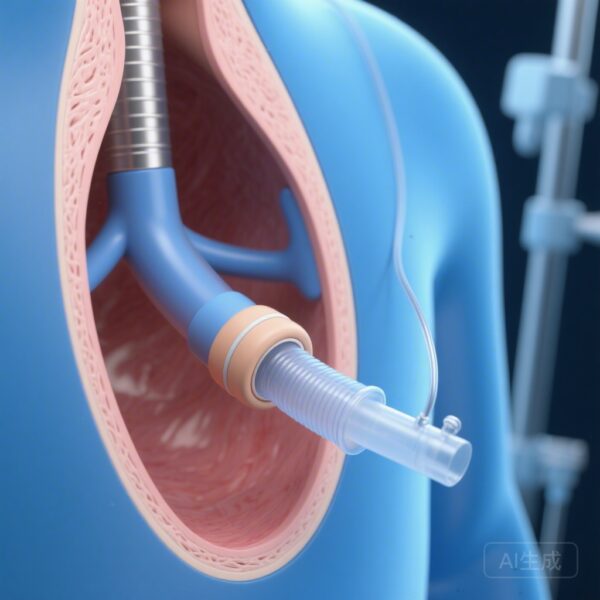
The PreVent 2 trial demonstrates that specialized endotracheal tubes with subglottic suction and polyurethane cuffs do not significantly reduce ventilator-associated complications or improve 6-month laryngeal, cognitive, or quality-of-life

Sepsis Subtypes Are Fluid: How ‘Fuzzy’ Classification Explains Treatment Variability and Patient Trajectories
Critical CareClinical Trajectoriescritical care

Sepsis Subtypes Are Fluid: How ‘Fuzzy’ Classification Explains Treatment Variability and Patient Trajectories

By MedXY|Jan 26, 2026

A large-scale study of 35,691 sepsis patients reveals that clinical subtypes are highly dynamic, with 82% of patients changing categories within 48 hours. This classification uncertainty significantly impacts treatment response and long-ter

High-Acuity Presentations with Favorable Outcomes: The Paradox of Young Adults in the Cardiac ICU
CardiologyCardiologycritical care

High-Acuity Presentations with Favorable Outcomes: The Paradox of Young Adults in the Cardiac ICU

By MedXY|Jan 3, 2026

A large-scale registry study reveals that young adults (18-39) in the Cardiac Intensive Care Unit present with higher rates of cardiogenic shock and cardiac arrest compared to older adults, yet demonstrate significantly higher survival rate

Awake Prone Positioning in COVID-19 Respiratory Failure: A Synthesis of Clinical Trial Evidence and the PROVID Study
Clinical UpdatesCOVID-19critical care

Awake Prone Positioning in COVID-19 Respiratory Failure: A Synthesis of Clinical Trial Evidence and the PROVID Study

By MedXY|Jan 3, 2026

This review synthesizes the findings of the PROVID randomized clinical trial and broader literature, demonstrating that awake prone positioning (APP) significantly reduces the probability of intubation and death in patients with COVID-19 hy

Routine Magnesium Replacement in the ICU: Challenging the Dogma of Tachyarrhythmia Prevention
Cardiologycritical careY học dựa trên bằng chứng

Routine Magnesium Replacement in the ICU: Challenging the Dogma of Tachyarrhythmia Prevention

By MedXY|Jan 1, 2026

A large-scale quasi-experimental study of over 171,000 ICU admissions found that routine magnesium supplementation for patients near institutional treatment thresholds does not reduce the risk of tachyarrhythmias, hypotension, or mortality,

Combined Multiplex PCR and Procalcitonin Strategy Fails to Increase Antibiotic-Free Days in Critically Ill Patients with CAP: Insights from the MULTI-CAP Trial
Critical Careantibiotic stewardshipcommunity-acquired pneumonia

Combined Multiplex PCR and Procalcitonin Strategy Fails to Increase Antibiotic-Free Days in Critically Ill Patients with CAP: Insights from the MULTI-CAP Trial

By MedXY|Dec 31, 2025

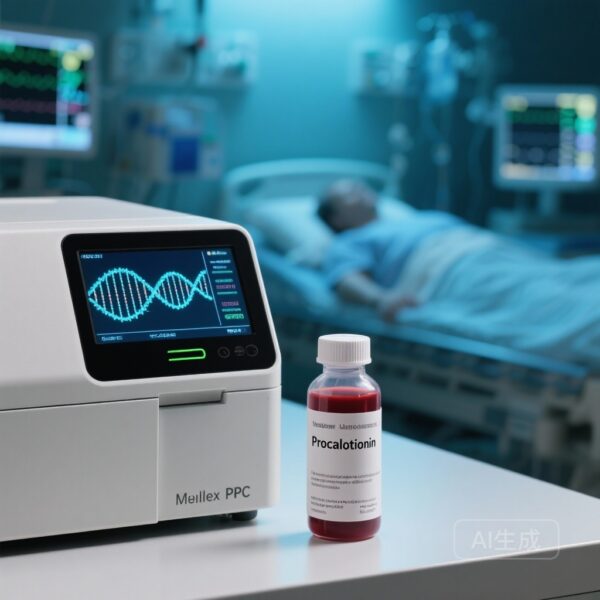
The MULTI-CAP trial demonstrated that combining multiplex PCR and procalcitonin did not significantly increase the number of antibiotic-free days by Day 28 in ICU patients with pneumonia, although it did successfully reduce the cumulative d

Higher Hospital-Level Utilization of Continuous Kidney Replacement Therapy Associated with Reduced Mortality in Critically Ill Patients
Critical CareAKIcritical care

Higher Hospital-Level Utilization of Continuous Kidney Replacement Therapy Associated with Reduced Mortality in Critically Ill Patients

By MedXY|Dec 31, 2025

A large-scale multicenter study reveals that hospitals with higher utilization rates of continuous kidney replacement therapy (CKRT) achieve significantly lower 90-day mortality for critically ill AKI patients compared to low-utilization ce

Severe Acute Kidney Injury Survivors in India and Southeast Asia Face Staggering Rates of Long-Term Adverse Events
Critical Careacute kidney injurycritical care

Severe Acute Kidney Injury Survivors in India and Southeast Asia Face Staggering Rates of Long-Term Adverse Events

By MedXY|Dec 31, 2025

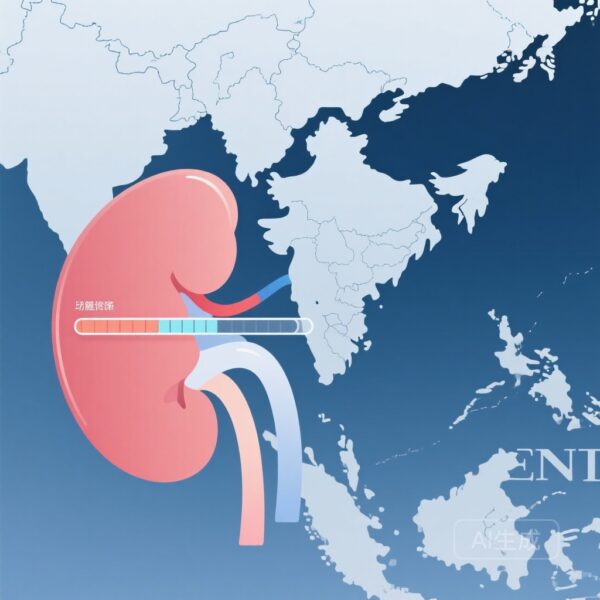
A large-scale multicenter study reveals that 46.6% of severe AKI survivors in India and Southeast Asia experience major adverse kidney events (MAKE) within two years, with mortality and new-onset chronic kidney disease being the primary dri

Kidney Replacement Therapy Independently Predicts 90-Day Mortality in Critically Ill Patients with Obesity: A 15-Year Trend Analysis
Critical Carecritical careNephrology

Kidney Replacement Therapy Independently Predicts 90-Day Mortality in Critically Ill Patients with Obesity: A 15-Year Trend Analysis

By MedXY|Dec 30, 2025

A 15-year cohort study reveals that obese ICU patients requiring kidney replacement therapy face nearly triple the mortality rate of those who do not, despite a declining trend in overall acute kidney injury incidence within this high-risk

Beyond Chronological Age: How Frailty Dictates Survival and Functional Recovery After Out-of-Hospital Cardiac Arrest
CardiologyCardiologycritical care

Beyond Chronological Age: How Frailty Dictates Survival and Functional Recovery After Out-of-Hospital Cardiac Arrest

By MedXY|Dec 28, 2025

A secondary analysis of the TTM2 trial reveals that frailty is a potent predictor of mortality and poor neurological outcomes after out-of-hospital cardiac arrest, with severely frail patients facing a 35-fold higher risk of poor functional

Norepinephrine at Extubation: Challenging the Hemodynamic Safety Paradigm in Critically Ill Patients with Obesity
Anesthesiologycritical careExtubation

Norepinephrine at Extubation: Challenging the Hemodynamic Safety Paradigm in Critically Ill Patients with Obesity

By MedXY|Dec 28, 2025

A multicenter validation study confirms that low-dose norepinephrine at the time of extubation does not increase reintubation rates in patients with obesity, offering clinicians greater flexibility in weaning strategies for hemodynamically

Hemodynamic vs. Neurological Phenotypes in Adult Invasive Meningococcal Disease: Insights from the Nationwide RETRO-MENINGO Study
Critical Carecritical caresepsis

Hemodynamic vs. Neurological Phenotypes in Adult Invasive Meningococcal Disease: Insights from the Nationwide RETRO-MENINGO Study

By MedXY|Dec 28, 2025

The RETRO-MENINGO study of 654 adults reveals that hemodynamic presentations of invasive meningococcal disease carry a five-fold higher mortality risk than neurological forms. Early parenteral antibiotic administration remains the most crit

Melatonin Does Not Prevent Delirium in the Intensive Care Unit: Insights from a Comprehensive Meta-Analysis
Critical Carecritical caredelirium

Melatonin Does Not Prevent Delirium in the Intensive Care Unit: Insights from a Comprehensive Meta-Analysis

By MedXY|Dec 28, 2025

A recent systematic review and meta-analysis of 13 randomized controlled trials concludes that melatonin fails to reduce the incidence of delirium or mortality in critically ill patients, challenging the routine use of this supplement in th

Melatonin in the ICU Does Not Translate to Reduced Delirium Incidence
Critical Carecritical caredelirium

Melatonin in the ICU Does Not Translate to Reduced Delirium Incidence

By MedXY|Dec 28, 2025

The DEMEL trial found that while 0.3 mg of melatonin achieved a superior pharmacokinetic profile over 3 mg, it failed to reduce delirium incidence or improve clinical outcomes in mechanically ventilated patients compared to placebo.

Precision Dosing in the ICU: Extended Infusions of Meropenem and Piperacillin Optimize Therapy During Renal Replacement
Critical Careantimicrobial stewardshipcritical care

Precision Dosing in the ICU: Extended Infusions of Meropenem and Piperacillin Optimize Therapy During Renal Replacement

By MedXY|Dec 28, 2025

A large-scale multinational study reveals that meropenem and piperacillin dosing during renal replacement therapy must be tailored to RRT intensity and urine output, with extended infusions significantly improving therapeutic target attainm

Inflammatory Subphenotypes in COVID-19 ARDS Exhibit High Temporal Stability: Insights from the ICAR Trial
Critical CareARDScritical care

Inflammatory Subphenotypes in COVID-19 ARDS Exhibit High Temporal Stability: Insights from the ICAR Trial

By MedXY|Dec 27, 2025

A reanalysis of the ICAR trial reveals that ARDS inflammatory subphenotypes remain remarkably stable over 28 days. The hyperinflammatory profile is linked to higher mortality and distinct biomarkers, with Bayesian modeling showing minimal t

Beyond a Marker of Severity: Reaffirming the Impact of Ventilator-Associated Events on Mortality
Critical Carecritical careICU Mortality

Beyond a Marker of Severity: Reaffirming the Impact of Ventilator-Associated Events on Mortality

By MedXY|Dec 27, 2025

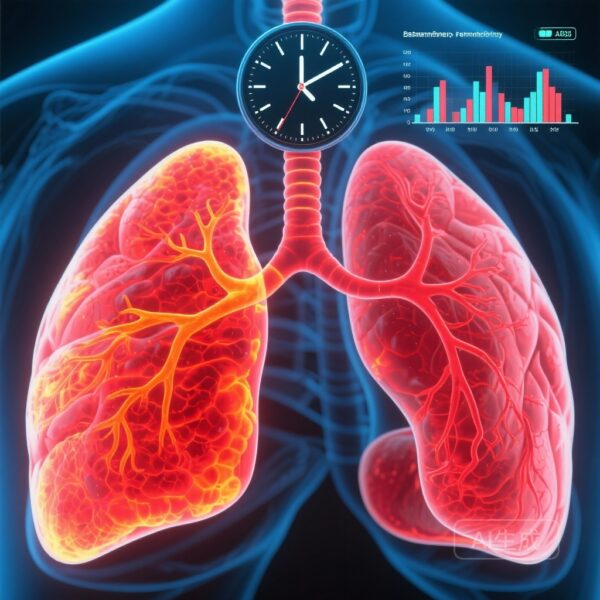
A rigorous multicenter study from Japan utilizes marginal structural modeling to demonstrate that Ventilator-Associated Events (VAEs) are independent drivers of mortality, not just surrogates for patient severity, reinforcing their value as

Prev
3 / 5
12345
Next
Ask MedXY AI

Most popular

Intimate Health
Five Benefits for Women Continuing Sexual Activity After Menopause
Intimate Health
Why Some Women Have a Strong Sex Drive—And Why Men Shouldn't Worry About It
Nursing & care
How often should a couple have sex?
General Surgery
Optimizing Postoperative Opioid Prescriptions After Intra-Abdominal Cancer Surgery: Comparing the 5x-Multiplier and 3-Tier Models
Intimate Health
Classic Intimacy Recommendations: How to Help Women Reach Orgasm and Enjoy Mutual Pleasure