Highlight
This prospective 7-year cohort study systematically assesses neurological outcomes in adult survivors of Ebola virus disease (EVD) in Liberia. It reveals a broad spectrum of neurological manifestations including cognitive dysfunction, headaches, mood disturbances, and sensory abnormalities. While many symptoms improve over time, a subset persists long-term, indicating substantial neurological morbidity post-EVD.
Study Background
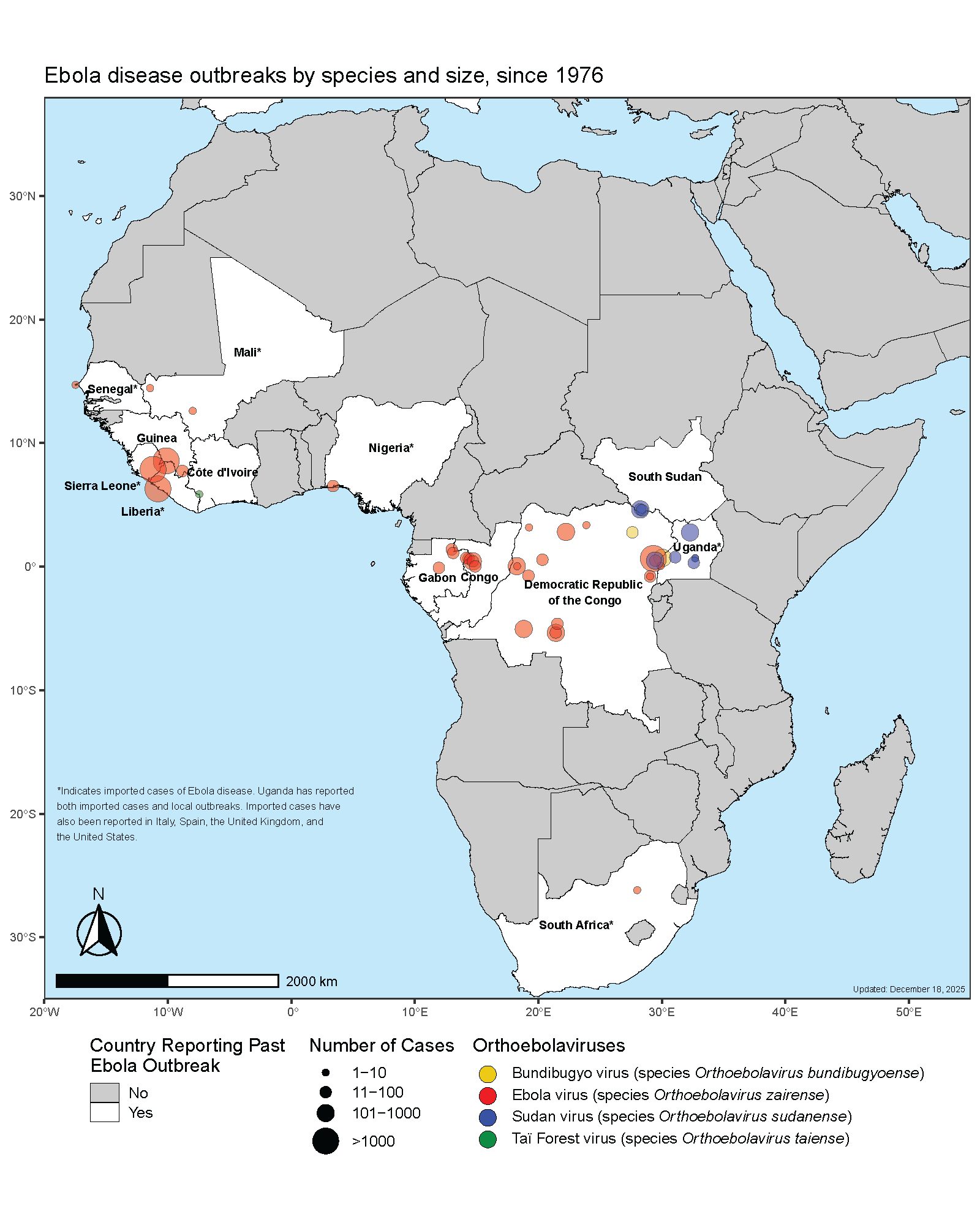
Ebola virus disease is a severe viral hemorrhagic fever that results in multi-organ involvement with high acute mortality. Survivors from past outbreaks have reported varied neurological symptoms, but comprehensive longitudinal neurological assessment has been limited due to infrastructural and resource constraints in the affected regions. Understanding lasting neurological sequelae is crucial to inform survivor care, reduce disability, and guide public health response.
Neurological manifestations during acute EVD include headaches, altered mental status, meningoencephalitis, and stroke-like presentations, though these are rarely characterized in detail. Prior studies have often lacked control groups, longitudinal follow-up, or standardized neurologic evaluation methods, leading to substantial gaps in knowledge.
Study Design
The Neurology Study of the Ebola Natural History Study (PREVAIL III) was a prospective longitudinal cohort study conducted from September 2015 to March 2023 at John F. Kennedy Medical Center in Monrovia, Liberia. It enrolled 148 adult Ebola antibody-positive survivors and 81 antibody-negative contacts as controls. Neurological assessments were performed biannually by trained neurologists using structured questionnaires and standardized neurological examinations.
Neurological examination scores were devised specifically for this study to quantify cumulative abnormalities, including a general neurological examination score and a central nervous system (CNS) specific score. Statistical analyses applied generalized linear mixed-effects models adjusting for age and sex, alongside overdispersed Poisson models to assess differences in examination scores between groups.
Key Findings
During the acute infection phase, survivors frequently reported headaches, altered mental status, and rarely stroke-like or meningoencephalitic syndromes. Longitudinal follow-up over seven years showed survivors experienced extensive neurological sequelae involving the entire neuraxis:
- Cognitive dysfunction: 56.1% of survivors reported various deficits including memory loss and trouble concentrating.
- Persistent headaches: Present in 66.2% of survivors.
- Neuropsychiatric symptoms: Depression affected nearly half (49.3%), with irritability and sleep abnormalities also common.
- Fatigue and sexual dysfunction: Reported by over 30% of survivors.
- Neurological signs on examination: Cranial nerve abnormalities (40.5%), tremor (20.3%), and sensory deficits (30.4%) were observed.
Compared with antibody-negative contacts, survivors had significantly higher prevalence of memory loss (57.4% vs 26.2%), irritability (36.5% vs 14.8%), and trouble concentrating (29.6% vs 9.8%) at the final evaluation (all P < .01). Despite overall improvement in neurological status over time, a substantial proportion of survivors continued to experience persistent symptoms years after acute illness.
Neurological examination scores were consistently higher among survivors, reflecting ongoing CNS involvement. These findings highlight a long-term neurological burden that may contribute to increased healthcare utilization and socioeconomic impact in Ebola-affected populations.
Expert Commentary
This study represents one of the most comprehensive and methodologically rigorous longitudinal analyses of neurological outcomes in adult EVD survivors. By including antibody-negative contacts and controlling for confounders such as age and sex, the authors strengthen the validity of their findings.
The observed cognitive and neuropsychiatric impairments support emerging evidence that Ebola virus infection may induce direct neuroinflammatory or neurodegenerative processes, or alternatively, secondary effects due to systemic illness and psychological trauma. The study also underscores the need for neurologists and multidisciplinary teams to engage in survivor care long-term.
Limitations include potential selection bias from survivors able to access Jamaican F. Kennedy Medical Center and incomplete follow-up in some participants due to geographic or socioeconomic factors. Additionally, the neurological examination scoring system, although novel, requires external validation.
Conclusion
Ebola virus disease survivors suffer a wide range of neurological complications that can persist for years, substantially affecting quality of life and functional status. While neurological symptoms generally improve over prolonged follow-up, persistent cognitive dysfunction and mood disturbances indicate the necessity for consistent neurological monitoring and supportive interventions in this vulnerable population.
These findings have important implications for healthcare policies in Ebola-endemic regions, emphasizing integrating neurological assessment into survivor programs. Further research should explore underlying pathophysiological mechanisms and therapeutic approaches to mitigate long-term neurological sequelae of Ebola virus infection.
Funding and ClinicalTrials.gov
The study was conducted under the Partnership for Research on Vaccines and Infectious Diseases in Liberia (PREVAIL). The analysis timeframe was April 2023 to September 2025. Specific funding sources were not detailed in the provided abstract.
The trial was registered as part of the PREVAIL III study; further details can be accessed through clinical trial registries.
References
- Billioux BJ, Reilly C, van Ryn C, et al. Neurological Manifestations in Adult Survivors of Ebola Virus Disease. JAMA Neurol. 2026;doi:10.1001/jamaneurol.2026.42268636.
- Wilson ME, Wauquier N, Howes D, et al. The neurological complications of Ebola virus disease. Nat Rev Neurol. 2021;17(3):166-177.
- Vetter P, Fischer WA 2nd, Schibler M, et al. Sequelae of Ebola virus disease: The emergency of comprehensive follow-up programs. Lancet Infect Dis. 2020;20(6): e138-e139.