Evaluating Tirofiban Plus Aspirin in Branch Atheromatous Disease Stroke: Insights from the STRATEGY Trial
Introduction
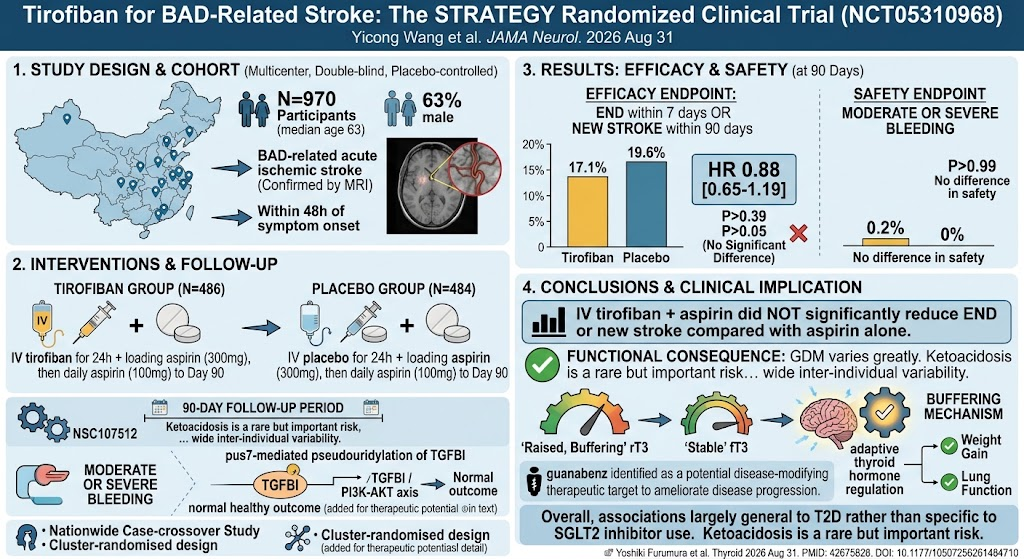
Branch atheromatous disease (BAD) is a subtype of ischemic stroke characterized by small deep infarcts caused by atherosclerotic changes at the origins of penetrating arteries in the brain. Patients with BAD-related stroke are particularly vulnerable to early neurological deterioration (END) and increased risk of further strokes, often leading to lasting disability. Despite the clinical importance, large-scale trials exploring targeted prevention strategies in this population have been lacking.
Understanding effective interventions to reduce neurological decline and recurrent events in BAD is especially critical as these strokes differ mechanistically from larger vessel occlusions and cardioembolic strokes. Standard antiplatelet therapy with aspirin is often prescribed, but the question remains whether intensifying antiplatelet therapy would yield better outcomes.
Sign in free to continue reading
Create or use your MedXY account to unlock the complete article.
This article was created using several editorial tools, including AI, as part of the process. Human editors reviewed this content before publication.