Highlights
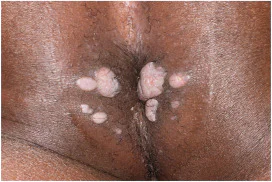
Condyloma lata presents with consistent, reproducible histopathologic features that distinguish it from other secondary syphilis manifestations and mimickers, such as squamous cell carcinoma.
Recognition of characteristic clinical and histologic patterns—including verrucous plaques, pseudoepitheliomatous hyperplasia, lichenoid lymphoplasmacytic infiltrate, and abundant spirochetes—is critical to accurate diagnosis.
Extragenital condyloma lata lesions can be clinically unsuspected and are at risk for misdiagnosis, highlighting the importance of histopathologic evaluation.
Comprehensive understanding of condyloma lata aids clinicians and pathologists in diagnosing secondary syphilis reliably, even in the absence of systemic cutaneous signs.