U.S. Health Warning: Rare Bourbon Virus Detected in New York as Cyclosporiasis Outbreak Spreads Across 45 States
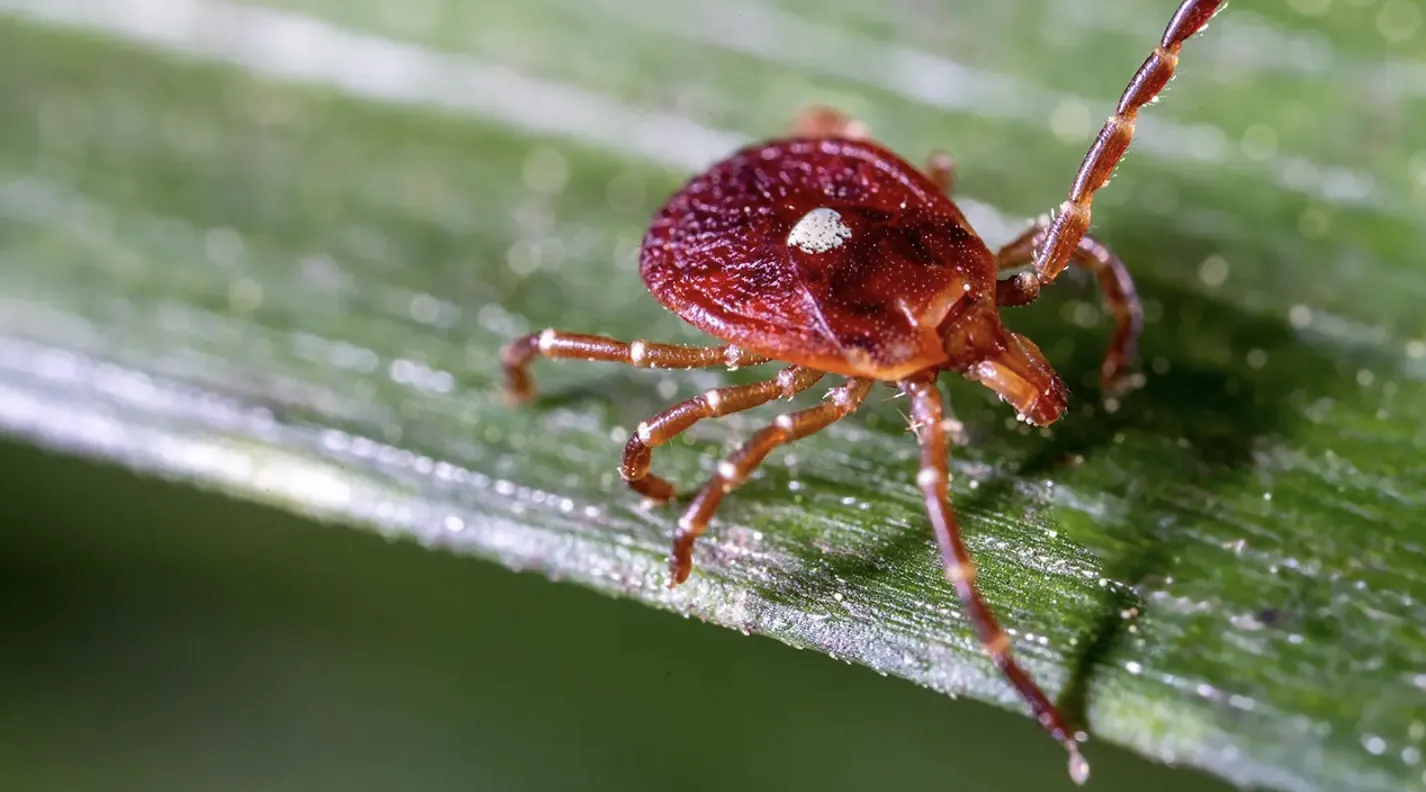
Health authorities in New York State have confirmed the region’s first case of Bourbon virus, a rare and potentially deadly tick-borne infection for which there is currently no vaccine or specific antiviral treatment. Concurrently, a widespread parasite outbreak linked to contaminated food and water has spread across 45 U.S. states, resulting in its first recorded fatalities.
Rare Bourbon Virus Confirmed in New York
Stony Brook Medicine recently reported that the Bourbon virus was identified in New York State for the first time. The virus is primarily transmitted by the aggressive Lone Star tick (Amblyomma americanum). Researchers warn that as the tick's range expands throughout the summer and into future years, cases may rise, posing significant diagnostic challenges for clinical healthcare providers.
First discovered in Kansas in 2014, the Bourbon virus has only six documented human cases globally, but it has already been linked to at least two deaths. Public health researchers suspect the actual number of infections may be higher due to underdiagnosis and a lack of commercially available diagnostic testing.
Key Symptoms of Bourbon Virus Infection:
High fever
Severe fatigue
Skin rash
Headaches and body aches
Nausea and vomiting
Because no commercial diagnostic tests currently exist, physicians face significant difficulty in identifying the infection early.
Cyclosporiasis Outbreak Affects 45 States; Imported Lettuce Implicated
Simultaneously, the U.S. is battling a massive outbreak of cyclosporiasis, an intestinal parasite infection caused by Cyclospora cayetanensis. The Michigan Department of Health and Human Services confirmed two deaths linked to the infection; both patients suffered from severe underlying medical conditions, which were likely exacerbated by severe diarrhea and dehydration.
According to the U.S. Centers for Disease Control and Prevention (CDC):
The outbreak has affected 45 states, with nearly 7,000 laboratory-confirmed cases.
Michigan is among the hardest-hit areas, reporting over 11,000 suspected cases and 193 hospitalizations, though many cases remain unconfirmed by laboratory testing.
U.S. health officials have linked this year's outbreak to imported lettuce from Mexico. The responsible supplier has issued product recalls, and several national fast-food chains have pulled affected produce from their menus. U.K. health authorities have also issued alerts following confirmed cases among returning overseas travelers.
The CDC emphasizes that while washing produce under running water is essential, standard washing alone may not completely eliminate Cyclospora oocysts. Thoroughly heating produce to at least 70°C (158°F) is required to effectively kill the parasite.
Expert Medical Commentary & Public Health Recommendations
1. Epidemiological Assessment
Bourbon Virus (Thogotovirus Family): This virus remains extremely rare, but its emergence in New York highlights the north-northward migration of the Lone Star tick driven by shifting climate patterns and ecological habitat changes. Because clinical symptoms mimic other common arboviral or tick-borne illnesses (such as Lyme disease, Anaplasmosis, or Ehrlichiosis), clinical suspicion must remain high when patients present with fever, leukopenia, and thrombocytopenia without a clear cause.
Cyclospora cayetanensis: Unlike bacterial pathogens like E. coli or Salmonella, Cyclospora oocysts require days to weeks outside the host in favorable environmental conditions to become infectious. This makes direct person-to-person transmission rare, but makes fresh produce irrigated or washed with contaminated water a classic vehicle for large-scale multi-state outbreaks.
2. Clinical Action & Preventive Recommendations
A. Tick-Borne Disease Prevention (Bourbon Virus)
Personal Protective Measures: When outdoors in woody or brushy areas, wear long sleeves, tuck trousers into socks, and apply EPA-registered insect repellents containing DEET (20–30%) or Picaridin.
Permethrin Treatment: Treat outdoor clothing and gear with 0.5% permethrin.
Post-Exposure Protocol: Perform thorough full-body tick checks after returning indoors. Showering within two hours of coming indoors significantly reduces tick-borne infection risk. If a tick is attached, remove it immediately using fine-tipped tweezers by pulling straight up.
B. Food Safety & Parasitic Infection Prevention (Cyclosporiasis)
Thermal Inactivation: Cyclospora oocysts are unusually resistant to chemical disinfectants (including chlorine bleach). Heating food to 70°C (158°F) for at least one minute is the most reliable method for neutralizing the parasite.
High-Risk Produce Management: Individuals with underlying immunocompromising conditions, elderly individuals, or pregnant women should avoid raw or unpasteurized leafy greens and imported berries during active recall notices.
Hydration & Medical Care: The primary clinical danger of cyclosporiasis is prolonged, severe watery diarrhea leading to dehydration and electrolyte imbalance. Patients experiencing persistent gastrointestinal distress for more than several days should seek medical evaluation for targeted antiparasitic therapy (e.g., Trimethoprim-sulfamethoxazole / TMP-SMX).
This article was created using several editorial tools, including AI, as part of the process. Human editors reviewed this content before publication.