Harnessing Kynurenic Acid and the Gut-Brain Axis to Improve Stroke Recovery
Study Background
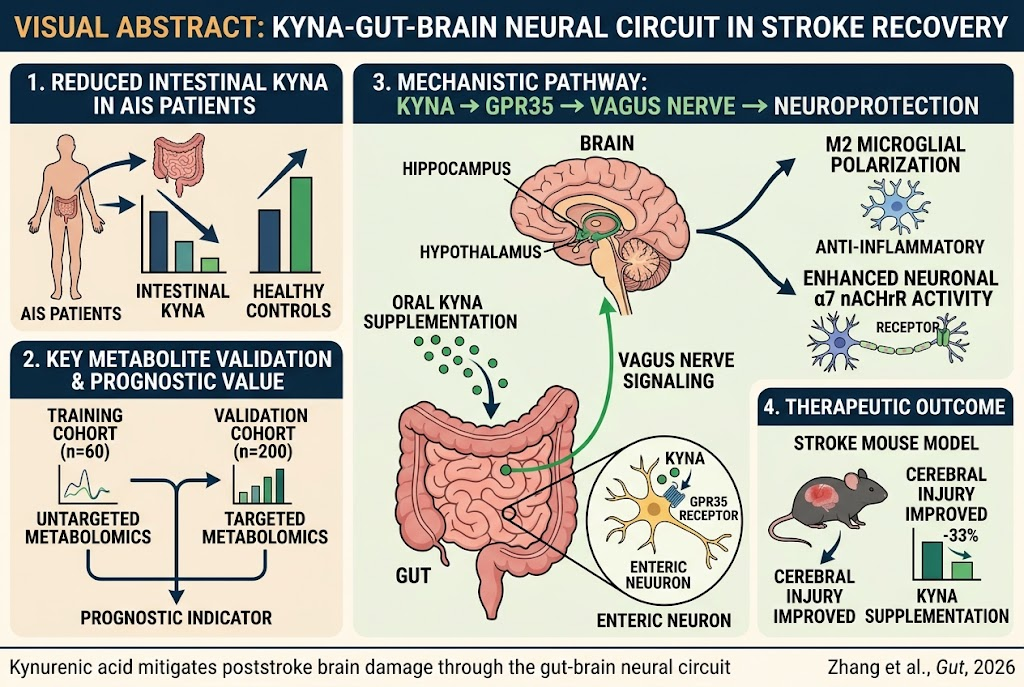
Stroke is a leading cause of death and long-term disability worldwide, predominantly caused by acute ischemic events that initiate complex neuroinflammatory and neurodegenerative processes. Although stroke primarily damages brain tissue, emerging evidence highlights the significant influence of peripheral systems, including the gastrointestinal tract, on poststroke recovery. The gut-brain axis—the bidirectional communication network integrating neural, immune, and metabolic signals between the gut and central nervous system—has gained substantial interest as a therapeutic target. However, precisely how intestinal metabolites regulate brain repair mechanisms after stroke remains incompletely understood. Here, the focus is on kynurenic acid (KYNA), a gut-derived tryptophan metabolite with neuroactive and immunomodulatory properties, hypothesized to modulate stroke recovery through a novel gut-brain neural pathway.
Study Design
Sign in free to continue reading
Create or use your MedXY account to unlock the complete article.
This article was created using several editorial tools, including AI, as part of the process. Human editors reviewed this content before publication.