We use cookies

Our website uses essential cookies and, with your consent, additional cookies to measure performance and improve our services. Cookie Policy.

You can change your choice at any time.

MMedXYNews
HomeVideos
MedXY AI/MedXY News/Tag: neurology
MedXY News
EnglishTag

neurology

Ask MedXY AI
type 2 diabetesclinical trialheart failureimmunotherapyobesitycardiovascular riskatrial fibrillationbiomarkerscritical careclinical trialsHypertensionartificial intelligenceCardiologyoncologypublic healthtype 1 diabetesdiabetesMortalityAlzheimer's diseasecardiovascular diseasebreast cancerepidemiology

Latest news

Tag

Digital Vestibular Rehabilitation After Acute Vertigo: What a Negative Superiority Trial Means
Clinical Updatesacute vertigoacute vestibular syndrome

Digital Vestibular Rehabilitation After Acute Vertigo: What a Negative Superiority Trial Means

By MedXY|Jun 16, 2026

A 2026 PLOS One superiority trial found that internet-based vestibular rehabilitation was not superior to structured written instructions after acute vertigo. The result is clinically useful because the comparator was active, adherence was


Rural-Urban Disparities in Epilepsy Outcomes in the United States
NeurologyEEGepilepsy
© 2026 MedXY
Contact usAbout usPrivacy PolicyMedXY story

Rural-Urban Disparities in Epilepsy Outcomes in the United States

By MedXY|Jun 5, 2026

A national U.S. study found that patients with epilepsy from rural counties had worse hospital outcomes, including higher mortality, more status epilepticus, longer stays, and less EEG use, highlighting access-related disparities.

Acetazolamide Fails to Improve Gait in Idiopathic Normal Pressure Hydrocephalus: Swedish DRAIN Trial
Internal Medicineacetazolamidegait disorder

Acetazolamide Fails to Improve Gait in Idiopathic Normal Pressure Hydrocephalus: Swedish DRAIN Trial

By MedXY|Jun 5, 2026

In a Swedish randomized trial, low-dose acetazolamide did not improve gait in patients with idiopathic normal pressure hydrocephalus and caused more side effects than placebo, arguing against routine use as medical therapy.

Fixed-Dose Tavapadon for Early Parkinson Disease: A Randomized Clinical Trial
NeurologyDopamine Agonistneurology

Fixed-Dose Tavapadon for Early Parkinson Disease: A Randomized Clinical Trial

By MedXY|May 20, 2026

In a phase 3 trial, once-daily tavapadon improved motor symptoms in people with early Parkinson disease and was generally well tolerated, with nausea, headache, and dizziness as the most common side effects.

Treatment Discontinuation in Patients With Myelin Oligodendrocyte Glycoprotein Antibody-Associated Disease
NeurologyMOGADneurology

Treatment Discontinuation in Patients With Myelin Oligodendrocyte Glycoprotein Antibody-Associated Disease

By MedXY|May 13, 2026

In adults with MOGAD, stopping maintenance therapy was associated with a low 1-year relapse risk, especially after longer treatment and a longer relapse-free interval. The findings support individualized decisions and close follow-up after

Hidden Triggers: Recent Infections Linked to a 2.6-Fold Increase in Cryptogenic Stroke Risk in Young Adults
Infectious DiseasesCoagulation Biomarkersinfectious diseases

Hidden Triggers: Recent Infections Linked to a 2.6-Fold Increase in Cryptogenic Stroke Risk in Young Adults

By MedXY|Mar 30, 2026

The SECRETO study reveals that infections within the preceding week significantly increase the risk of cryptogenic ischemic stroke in patients aged 18–49, with elevated von Willebrand Factor and Factor VIII levels serving as critical biomar

Beyond the Target: Why SBP Trajectories Predict Functional Recovery in Acute Intracerebral Hemorrhage
NeurologyBlood Pressure Managementclinical trials

Beyond the Target: Why SBP Trajectories Predict Functional Recovery in Acute Intracerebral Hemorrhage

By MedXY|Mar 20, 2026

A pooled analysis of 11,269 patients from the INTERACT and ATACH-II trials reveals that 24-hour systolic blood pressure trajectories, rather than just single targets, significantly influence functional outcomes after intracerebral hemorrhag

The NIHSS Bias: Why Right-Sided Middle Cerebral Artery Strokes Carry Higher Mortality and Complication Risks
Emergency Medicineacute ischemic strokehealth equity

The NIHSS Bias: Why Right-Sided Middle Cerebral Artery Strokes Carry Higher Mortality and Complication Risks

By MedXY|Mar 15, 2026

A retrospective study of 489,360 patients reveals that right-sided middle cerebral artery strokes are associated with significantly higher inpatient mortality and complications compared to left-sided strokes, likely due to inherent scoring

Motor Vehicle Accidents vs. Falls: Does the Mechanism of TBI Predict Long-Term Recovery?
Emergency Medicineclinical researchneurology

Motor Vehicle Accidents vs. Falls: Does the Mechanism of TBI Predict Long-Term Recovery?

By MedXY|Mar 11, 2026

A large-scale longitudinal study reveals that motor vehicle accidents cause significantly worse acute traumatic brain injury outcomes compared to falls. However, by one year post-injury, disability levels and community participation converg

Spinal Cord Tau and Protein Copathologies Associated With Chronic Traumatic Encephalopathy: A Detailed Clinical-Pathological Analysis
NeurologyCTEneurodegeneration

Spinal Cord Tau and Protein Copathologies Associated With Chronic Traumatic Encephalopathy: A Detailed Clinical-Pathological Analysis

By MedXY|Mar 11, 2026

This retrospective study identifies a high prevalence of spinal cord p-tau and protein copathologies in patients with Chronic Traumatic Encephalopathy (CTE), suggesting the existence of a ‘trauma-related encephalomyelopathy’ lin

Impact of the FKBP5 Gene on Stroke Recovery: A Comparative Study in Mice and Humans
NeurologyFKBP5genetics

Impact of the FKBP5 Gene on Stroke Recovery: A Comparative Study in Mice and Humans

By MedXY|Mar 10, 2026

This translational study demonstrates that the FKBP5 protein, a regulator of the stress response, significantly influences stroke outcomes. Lower FKBP5 levels correlate with smaller brain lesions in mice, while high-expression genetic varia

Genetic Breakthrough: How SNUPN Gene Variants Lead to Spinocerebellar Atrophy
Neurologygeneticsneurology

Genetic Breakthrough: How SNUPN Gene Variants Lead to Spinocerebellar Atrophy

By MedXY|Mar 6, 2026

Researchers have discovered that mutations in the SNUPN gene cause spinocerebellar atrophy by disrupting RNA splicing in Purkinje cells, expanding the understanding of neurodevelopmental disorders beyond muscular conditions.

Antiepileptogenesis After Stroke: Assessing the Impact of Eslicarbazepine Acetate on Seizure Prevention
Neurologyclinical trialepilepsy

Antiepileptogenesis After Stroke: Assessing the Impact of Eslicarbazepine Acetate on Seizure Prevention

By MedXY|Mar 6, 2026

This article examines a Phase 2a trial investigating eslicarbazepine acetate for preventing post-stroke epilepsy. While the primary endpoint was not met due to recruitment challenges, the study provides a critical framework for future antie

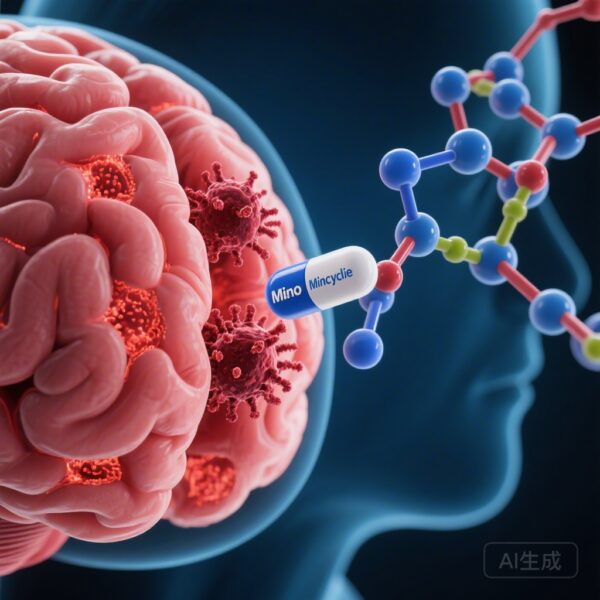
Minocycline Significantly Improves Functional Recovery in Acute Ischaemic Stroke: Evidence from the EMPHASIS Trial
Internal Medicineneurologyneuroprotection

Minocycline Significantly Improves Functional Recovery in Acute Ischaemic Stroke: Evidence from the EMPHASIS Trial

By MedXY|Mar 2, 2026

The EMPHASIS trial reveals that oral minocycline initiated within 72 hours of an acute ischaemic stroke significantly enhances functional independence at 90 days. This multicentre study provides robust evidence for a well-tolerated, accessi

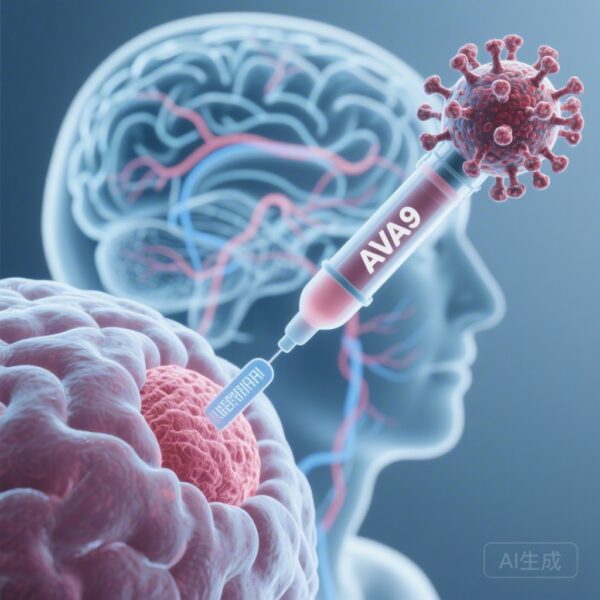
AAV9 Gene Therapy Shows Clinical Promise in Stabilizing Type II GM1 Gangliosidosis
Neurologygene therapyneurology

AAV9 Gene Therapy Shows Clinical Promise in Stabilizing Type II GM1 Gangliosidosis

By MedXY|Feb 23, 2026

A Phase 1-2 trial of AAV9-GLB1 gene therapy in children with Type II GM1 gangliosidosis demonstrates significant biochemical improvements and stabilization of neurodevelopmental decline, marking a pivotal step toward treating this fatal lys

Predicting the Path to Dementia: Five-Year Progression from Mild to Major Vascular Cognitive Impairment Following Ischemic Stroke
Internal Medicineischemic strokeneurology

Predicting the Path to Dementia: Five-Year Progression from Mild to Major Vascular Cognitive Impairment Following Ischemic Stroke

By MedXY|Feb 17, 2026

A five-year prospective study reveals that 13.6% of stroke patients with mild cognitive impairment progress to major VCI, identifying age, diabetes, atrial fibrillation, and small vessel disease as key predictors for long-term cognitive dec

Moderate Caffeinated Coffee and Tea Intake Linked to 18% Lower Dementia Risk in Decades-Long Study
Neurologycaffeinecognitive health

Moderate Caffeinated Coffee and Tea Intake Linked to 18% Lower Dementia Risk in Decades-Long Study

By MedXY|Feb 10, 2026

A prospective study of over 130,000 adults reveals that consuming 2-3 cups of caffeinated coffee or 1-2 cups of tea daily significantly reduces dementia risk and cognitive decline, whereas decaffeinated coffee shows no protective effect.

Restoring Movement: How Polylaminin is Revolutionizing Spinal Cord Injury Treatment
Neurologyneurologyregenerative medicine

Restoring Movement: How Polylaminin is Revolutionizing Spinal Cord Injury Treatment

By MedXY|Feb 7, 2026

Brazilian scientists have developed Polylaminin, a protein derived from human placenta that stimulates nerve regeneration. In early trials, six paralyzed patients regained the ability to walk, prompting official Phase I clinical trials to b

Apixaban Shows No Increased Risk of MRI-Detected Intracranial Hemorrhage Compared to Aspirin in Atrial Cardiopathy
NeurologyAtrial CardiopathyMRI

Apixaban Shows No Increased Risk of MRI-Detected Intracranial Hemorrhage Compared to Aspirin in Atrial Cardiopathy

By MedXY|Feb 5, 2026

An exploratory analysis from the ARCADIA-MRI substudy reveals that apixaban carries a similar risk of incident intracranial hemorrhages, microbleeds, and superficial siderosis compared to aspirin in patients with atrial cardiopathy and cryp

Predicting Stroke Recurrence: MRI Markers Outperform Location in Risk-Stratifying Patients with ICH and Atrial Fibrillation
Cardiologyatrial fibrillationNeuroimaging

Predicting Stroke Recurrence: MRI Markers Outperform Location in Risk-Stratifying Patients with ICH and Atrial Fibrillation

By MedXY|Jan 21, 2026

A secondary analysis of the PRESTIGE-AF trial reveals that specific MRI markers, including cortical superficial siderosis and macrohemorrhages, are more potent predictors of recurrent intracerebral hemorrhage than hematoma location alone, o

1 / 2
12
Next
Ask MedXY AI

Most popular

Intimate Health
Five Benefits for Women Continuing Sexual Activity After Menopause
Intimate Health
Why Some Women Have a Strong Sex Drive—And Why Men Shouldn't Worry About It
Nursing & care
How often should a couple have sex?
Intimate Health
Classic Intimacy Recommendations: How to Help Women Reach Orgasm and Enjoy Mutual Pleasure
Intimate Health
What Makes a Woman "Physiologically Addicted" Is Never Money, But These Two Relationship Qualities