Diabetes Tech Roundup: Dexcom Acquisition, Stelo AI, Omnipod 5 Update, and iLet Real-World Data
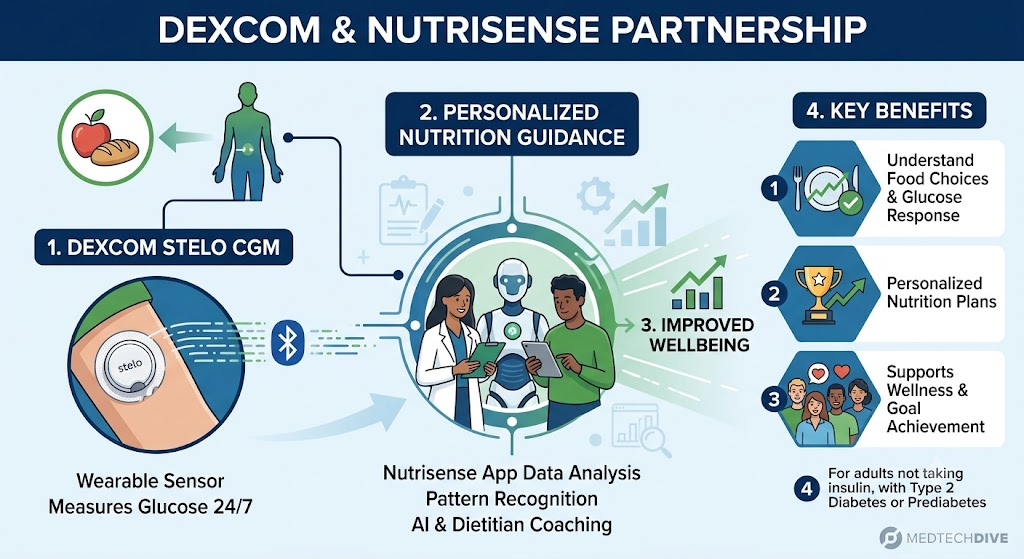
Dexcom has acquired Nutrisense, a wellness app that combines Stelo CGM data with dietitian coaching; terms not disclosed.
FDA-cleared updates to the Stelo app will introduce pattern recognition, AI coaching, and personalized summaries later this summer.
Insulet's Omnipod 5 algorithm update adds a 100 mg/dL target glucose option and alarm improvements to reduce automated mode interruptions.
Omnipod 5 is now compatible with Abbott's Libre 3 Plus sensor.
Beta Bionics released a real-world data dashboard showing HbA1c reductions among iLet Bionic Pancreas users; ongoing updates planned.
What Happened
Multiple companies in the diabetes technology space announced significant developments this week, spanning acquisitions, regulatory clearances, product updates, and real-world outcome data. Dexcom acquired Nutrisense, received FDA clearance for AI-driven updates to its Stelo continuous glucose monitor (CGM) app, Insulet upgraded the Omnipod 5 insulin pump algorithm, and Beta Bionics released real-world data for the iLet Bionic Pancreas. The announcements come ahead of the American Diabetes Association's Scientific Sessions.
Dexcom Acquires Nutrisense
On Thursday, Dexcom announced it has purchased Nutrisense, a company that offers a subscription-based wellness app integrating CGM data with glucose tracking and registered dietitian coaching sessions. The program uses Dexcom's over-the-counter CGM Stelo and is intended for adults who do not use insulin or have problematic hypoglycemia. Dexcom said the acquisition will strengthen its ability to provide personalized nutrition guidance and connect food choices to glucose responses. Financial terms were not disclosed.
Stelo App Update with AI Coaching
Dexcom also announced that the U.S. Food and Drug Administration (FDA) has cleared modifications to the Stelo mobile app. The update, expected to roll out later this summer, adds pattern recognition features, artificial intelligence (AI) coaching, and personalized daily and weekly summaries. Stelo is cleared for adults not taking insulin, including those with Type 2 diabetes, prediabetes, or those using it for general wellness. The new features aim to provide actionable insights without the complexity of insulin-dependent management.
Insulet Updates Omnipod 5 Algorithm
On Wednesday, Insulet announced an algorithm update for its Omnipod 5 automated insulin delivery system. The key change is the addition of a lower target glucose setting of 100 mg/dL, giving users and clinicians more flexibility in tailoring therapy. Additionally, the algorithm now handles alarms more intelligently, allowing users to remain in automated mode with fewer interruptions. Insulet also expanded sensor compatibility: the Omnipod 5 now works with Abbott's Libre 3 Plus continuous glucose monitor, in addition to existing Dexcom sensors.
Beta Bionics Shares Real-World iLet Data
Beta Bionics, ahead of the ADA Scientific Sessions, released a real-world outcomes dashboard for its iLet Bionic Pancreas, an automated insulin delivery system. The company reported that among users with a provider-reported baseline hemoglobin A1c and at least two weeks of system use, average HbA1c decreased after starting iLet therapy. The dashboard is intended to be updated over time and includes de-identified aggregate data. The company noted that the data reflect real-world use and are not from a controlled clinical trial.
Why It Could Matter
These developments reflect a broader trend in diabetes care: integrating continuous glucose monitoring with personalized digital coaching, improving automated insulin delivery algorithms to achieve tighter glucose targets, and providing real-world evidence to support device adoption. The Dexcom–Nutrisense acquisition suggests a strategic push toward direct-to-consumer wellness applications for CGM, while the Stelo app updates may make glucose data more actionable for the large population of people with non-insulin-treated diabetes. Insulet's lower glucose target could enable more aggressive glycemic management, and broader sensor compatibility increases patient choice. Beta Bionics' real-world data may help clinicians and patients understand expected outcomes with the iLet system outside of trial settings.
Important Limitations
These announcements are based on company press releases and have not been independently verified. The Nutrisense acquisition's financial and strategic details remain undisclosed. The Stelo app updates have received FDA clearance, but real-world effectiveness and user adherence data are not yet available. Insulet's algorithm changes have been announced but not yet evaluated in peer-reviewed studies. Beta Bionics' real-world data are uncontrolled and may be subject to selection bias; the company plans to update the dashboard but has not released comparative effectiveness data. None of these updates replace the need for clinician oversight in diabetes management.
Regulatory and Implementation Context
Dexcom's Stelo app modifications were cleared by the FDA via a supplement to the existing clearance; Stelo remains indicated only for adults not using insulin. Insulet's Omnipod 5 is currently FDA-cleared for people with diabetes aged 6 years and older; the algorithm update expands target range options but does not change the device's regulatory status. Omnipod 5's compatibility with Libre 3 Plus requires the sensor to be prescribed and integrated per Insulet's instructions. Beta Bionics' iLet holds FDA clearance for automated insulin delivery; the real-world data dashboard is a company initiative and not a regulatory submission.
What Comes Next
Dexcom will integrate Nutrisense operations and roll out the Stelo app update in the coming months. Insulet expects the Omnipod 5 algorithm update to be available to users through the mobile app and controller. Beta Bionics will continue to update its real-world data dashboard, potentially presenting more detailed findings at the ADA Scientific Sessions. Clinicians and patients should watch for independent evaluations and long-term outcome studies for each of these technologies.
This article was created using several editorial tools, including AI, as part of the process. Human editors reviewed this content before publication.