We use cookies

Our website uses essential cookies and, with your consent, additional cookies to measure performance and improve our services. Cookie Policy.

You can change your choice at any time.

MMedXYNews
HomeVideos
© 2026 MedXY
Contact usAbout usPrivacy PolicyMedXY story
MedXY AI/MedXY News/Tag: myocardial infarction
MedXY News
EnglishTag

myocardial infarction

Ask MedXY AI
type 2 diabetesclinical trialheart failureimmunotherapyobesitycardiovascular riskatrial fibrillationbiomarkerscritical careclinical trialsHypertensionartificial intelligenceCardiologyoncologypublic healthtype 1 diabetesdiabetesMortalityAlzheimer's diseasecardiovascular diseasebreast cancerepidemiology

Latest news

Tag

Breaking the Brake: How Annexin A2 Inhibition Restores Mitophagy and Salvages the Infarcted Heart
CardiologyAnnexin A2mitophagy

Breaking the Brake: How Annexin A2 Inhibition Restores Mitophagy and Salvages the Infarcted Heart

By MedXY|Mar 25, 2026

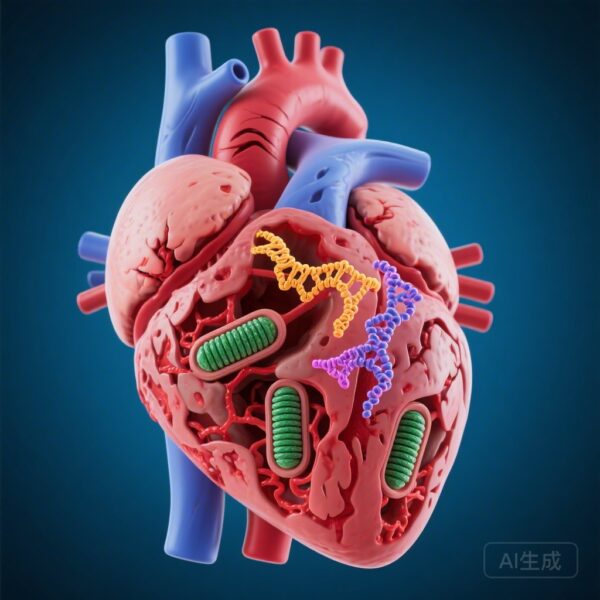
This study identifies Annexin A2 as a critical negative regulator of PHB2-mediated mitophagy in myocardial infarction. By promoting PHB2 degradation via the TRIM29 ligase, ANXA2 exacerbates cardiac injury. Inhibiting ANXA2 restores mitochon


Unlocking Mitochondrial Resilience: How Annexin A2 Inhibition Protects the Infarcted Heart
CardiologyAnnexin A2mitophagy

Unlocking Mitochondrial Resilience: How Annexin A2 Inhibition Protects the Infarcted Heart

By MedXY|Mar 21, 2026

Researchers identify Annexin A2 as a key inhibitor of mitophagy in the heart. By blocking the mitophagy receptor PHB2, ANXA2 exacerbates cardiac injury after myocardial infarction. This study demonstrates that targeting ANXA2 restores mitoc

Varenicline and Ventricular Ectopy After Myocardial Infarction: A Randomized Phase 2 Study
CardiologyCardiologyElectrophysiology

Varenicline and Ventricular Ectopy After Myocardial Infarction: A Randomized Phase 2 Study

By MedXY|Mar 9, 2026

This phase 2 trial demonstrates that varenicline, a partial nAChR agonist, significantly reduces premature ventricular complexes and nonsustained ventricular tachycardia in post-myocardial infarction patients, offering a novel therapeutic t

Low-Dose Rivaroxaban to Prevent Left Ventricular Thrombosis After Anterior Myocardial Infarction: The APERITIF Randomized Clinical Trial
CardiologyCardiologyclinical trial

Low-Dose Rivaroxaban to Prevent Left Ventricular Thrombosis After Anterior Myocardial Infarction: The APERITIF Randomized Clinical Trial

By MedXY|Mar 9, 2026

The APERITIF trial explored adding low-dose rivaroxaban to standard dual antiplatelet therapy to prevent heart clots after an anterior heart attack. While the addition did not significantly reduce thrombus formation, it did increase minor b

ALDH2 rs671 Variant and Thrombotic Risk: Unveiling a New Target for Precision Antiplatelet Therapy in East Asian Populations
CardiologyHoạt hóa Tiểu cầumyocardial infarction

ALDH2 rs671 Variant and Thrombotic Risk: Unveiling a New Target for Precision Antiplatelet Therapy in East Asian Populations

By MedXY|Mar 3, 2026

Recent research reveals that the common ALDH2 rs671 genetic variant significantly enhances platelet activation and arterial thrombosis through aldehyde accumulation, reactive oxygen species, and ACAD10-mediated mitophagy, identifying ALDH2

Long-Term Prognosis of Acute Myocardial Infarction Caused by Isolated Diffuse Coronary Artery Ectasia
CardiologyCardiologyCoronary Artery Ectasia

Long-Term Prognosis of Acute Myocardial Infarction Caused by Isolated Diffuse Coronary Artery Ectasia

By MedXY|Mar 2, 2026

Patients with myocardial infarction due to isolated coronary artery ectasia face a significantly higher risk of recurrent MI and stent thrombosis compared to those without ectasia, highlighting the need for specialized long-term management.

Isolated Coronary Artery Ectasia: A High-Risk Phenotype Associated with Doubled Recurrent Infarction Rates
CardiologyCoronary Artery Ectasiamyocardial infarction

Isolated Coronary Artery Ectasia: A High-Risk Phenotype Associated with Doubled Recurrent Infarction Rates

By MedXY|Mar 2, 2026

A retrospective study reveals that patients with myocardial infarction caused by isolated coronary artery ectasia face significantly higher risks of recurrence and stent thrombosis compared to those without ectasia, highlighting a critical

PRMT9 and Heart Recovery: A New Frontier in Macrophage Modulation and STAT1 Degradation
Cardiologyheart failureinflammation

PRMT9 and Heart Recovery: A New Frontier in Macrophage Modulation and STAT1 Degradation

By MedXY|Mar 2, 2026

Researchers have discovered that the protein PRMT9 plays a vital role in healing the heart after a myocardial infarction by controlling inflammatory macrophages. By promoting the degradation of the STAT1 protein, PRMT9 reduces tissue damage

Orchestrating Cardiac Repair: The CCL1-CCR8 Axis as a Master Regulator of Regulatory T Cell Recruitment Post-Myocardial Infarction
Cardiologymyocardial infarctionRegulatory T cells

Orchestrating Cardiac Repair: The CCL1-CCR8 Axis as a Master Regulator of Regulatory T Cell Recruitment Post-Myocardial Infarction

By MedXY|Mar 2, 2026

This review explores the discovery of a two-phase specialization process where CCR8+ regulatory T cells, recruited via the macrophage-derived CCL1 axis, mitigate inflammation and promote cardiac repair following myocardial infarction.

Is Prasugrel the New Gold Standard? Ticagrelor Fails Noninferiority in High-Risk Diabetic and STEMI Populations
Cardiologydiabetesmyocardial infarction

Is Prasugrel the New Gold Standard? Ticagrelor Fails Noninferiority in High-Risk Diabetic and STEMI Populations

By MedXY|Feb 20, 2026

Recent data from the TUXEDO-2 and ISAR-REACT 5 trials suggest prasugrel may provide superior outcomes over ticagrelor in high-risk PCI patients, including those with diabetes and STEMI.

Complete Revascularization Benefits Older MI Patients Regardless of Renal Function: Insights from the FIRE Trial
Cardiologychronic kidney diseasegeriatric cardiology

Complete Revascularization Benefits Older MI Patients Regardless of Renal Function: Insights from the FIRE Trial

By MedXY|Jan 17, 2026

A sub-analysis of the FIRE trial demonstrates that physiology-guided complete revascularization significantly reduces major adverse cardiovascular events in patients aged 75 and older, irrespective of baseline kidney function, without incre

Beyond the Heart: Why Metabolic Gains Are the True Drivers of GLP-1RA Cardioprotection
Cardiologycardiometabolic healthGLP-1 receptor agonists

Beyond the Heart: Why Metabolic Gains Are the True Drivers of GLP-1RA Cardioprotection

By MedXY|Dec 30, 2025

A robust Mendelian randomization study demonstrates that the reduced risk of myocardial infarction associated with GLP-1 receptor agonists is primarily mediated by improvements in HbA1c, BMI, and lipid profiles, rather than direct cardiac e

Refining Risk: Clinical and Angiographic Predictors of Postprocedural Troponin Elevation in Elective PCI
CardiologyCardiologymyocardial infarction

Refining Risk: Clinical and Angiographic Predictors of Postprocedural Troponin Elevation in Elective PCI

By MedXY|Dec 30, 2025

A comprehensive analysis of over 10,000 patients identifies key risk factors for post-PCI troponin increase, highlighting the protective role of intravascular imaging and the prognostic impact of different myocardial infarction definitions.

Troponin Assay Transitions: Increased Clinical Burden Without Improved Cardiovascular Outcomes
Cardiologyacute coronary syndromeCardiac troponin

Troponin Assay Transitions: Increased Clinical Burden Without Improved Cardiovascular Outcomes

By MedXY|Dec 24, 2025

Switching from high-sensitivity troponin I to T significantly increases diagnoses of myocardial injury and hospital admissions without improving long-term cardiovascular outcomes, while low-threshold troponin I remains a safe tool for rapid

Low-Dose Colchicine Reduces Myocardial Infarction and Stroke Risk in Cardiovascular Disease Patients
Cardiologycardiovascular diseasecolchicine

Low-Dose Colchicine Reduces Myocardial Infarction and Stroke Risk in Cardiovascular Disease Patients

By MedXY|Dec 16, 2025

A large meta-analysis shows colchicine can lower MI and stroke risk without raising serious adverse events, but GI side effects remain a concern.

Intracoronary Wharton’s Jelly Mesenchymal Stem Cells After STEMI Reduce Incident Heart Failure: Phase 3 PREVENT-TAHA8 Results
Cardiologyheart failuremyocardial infarction

Intracoronary Wharton’s Jelly Mesenchymal Stem Cells After STEMI Reduce Incident Heart Failure: Phase 3 PREVENT-TAHA8 Results

By MedXY|Nov 21, 2025

A phase 3 randomized trial found intracoronary infusion of allogeneic Wharton’s jelly mesenchymal stem cells (WJ-MSCs) after STEMI reduced new-onset heart failure and HF readmissions and improved LVEF versus standard care over a median 33-m

Myocardial Infarction and Late-Onset Epilepsy: Unraveling Bidirectional Vascular Risks in Aging Populations
Cardiologyepidemiologymyocardial infarction

Myocardial Infarction and Late-Onset Epilepsy: Unraveling Bidirectional Vascular Risks in Aging Populations

By MedXY|Nov 14, 2025

Emerging cohort evidence reveals myocardial infarction significantly elevates late-onset epilepsy risk, with late-onset epilepsy also predicting subsequent myocardial infarction and vascular mortality, underscoring shared systemic vascular

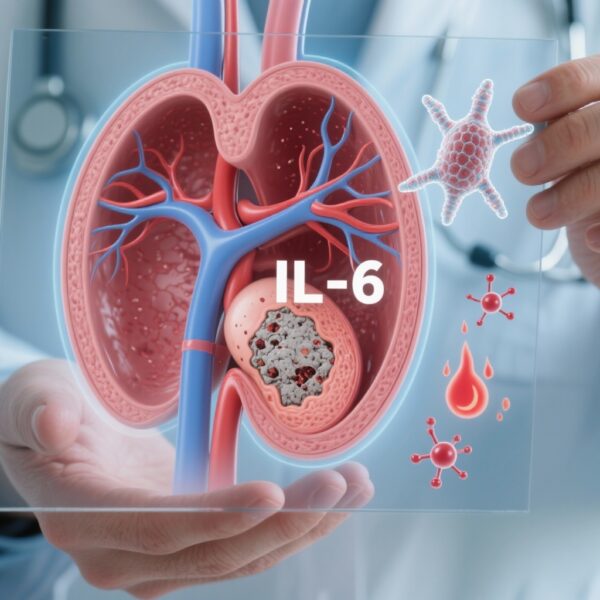
LOX‑1 Blockade After MI Reduced sLOX‑1 and IL‑6 but Not Coronary Noncalcified Plaque: Lessons from GOLDILOX‑TIMI 69
Cardiologyinflammationmyocardial infarction

LOX‑1 Blockade After MI Reduced sLOX‑1 and IL‑6 but Not Coronary Noncalcified Plaque: Lessons from GOLDILOX‑TIMI 69

By MedXY|Nov 12, 2025

In a randomized phase 2 trial, the anti‑LOX‑1 antibody MEDI6570 lowered circulating sLOX‑1 and IL‑6 but failed to reduce noncalcified coronary plaque volume versus placebo in post‑MI patients with residual inflammation.

No Routine Benefit from Beta‑Blockers After Myocardial Infarction with Preserved Ejection Fraction: Individual‑Patient Meta‑analysis of Five Randomized Trials
Cardiologybeta-blockersmyocardial infarction

No Routine Benefit from Beta‑Blockers After Myocardial Infarction with Preserved Ejection Fraction: Individual‑Patient Meta‑analysis of Five Randomized Trials

By MedXY|Nov 10, 2025

An individual‑patient meta‑analysis of five randomized trials (n=17,801) found that beta‑blocker therapy did not reduce death, recurrent MI, or heart failure in patients with recent myocardial infarction and LVEF ≥50% without other indicati

Dietary Patterns and Intracranial Atherosclerosis Risk in Elderly Patients With Hypertension or Myocardial Infarction: An Evidence-Based Review
CardiologydietHypertension

Dietary Patterns and Intracranial Atherosclerosis Risk in Elderly Patients With Hypertension or Myocardial Infarction: An Evidence-Based Review

By MedXY|Oct 21, 2025

Healthy dietary patterns may reduce intracranial atherosclerosis severity in older adults with hypertension or prior myocardial infarction, suggesting diet’s conditional protective role in vascular brain disease.

Prev
2 / 3
123
Next
Ask MedXY AI

Most popular

Intimate Health
Five Benefits for Women Continuing Sexual Activity After Menopause
Intimate Health
Why Some Women Have a Strong Sex Drive—And Why Men Shouldn't Worry About It
Nursing & care
How often should a couple have sex?
Intimate Health
Classic Intimacy Recommendations: How to Help Women Reach Orgasm and Enjoy Mutual Pleasure
Intimate Health
What Makes a Woman "Physiologically Addicted" Is Never Money, But These Two Relationship Qualities