Berberine - Uses, benefit and Side Effects
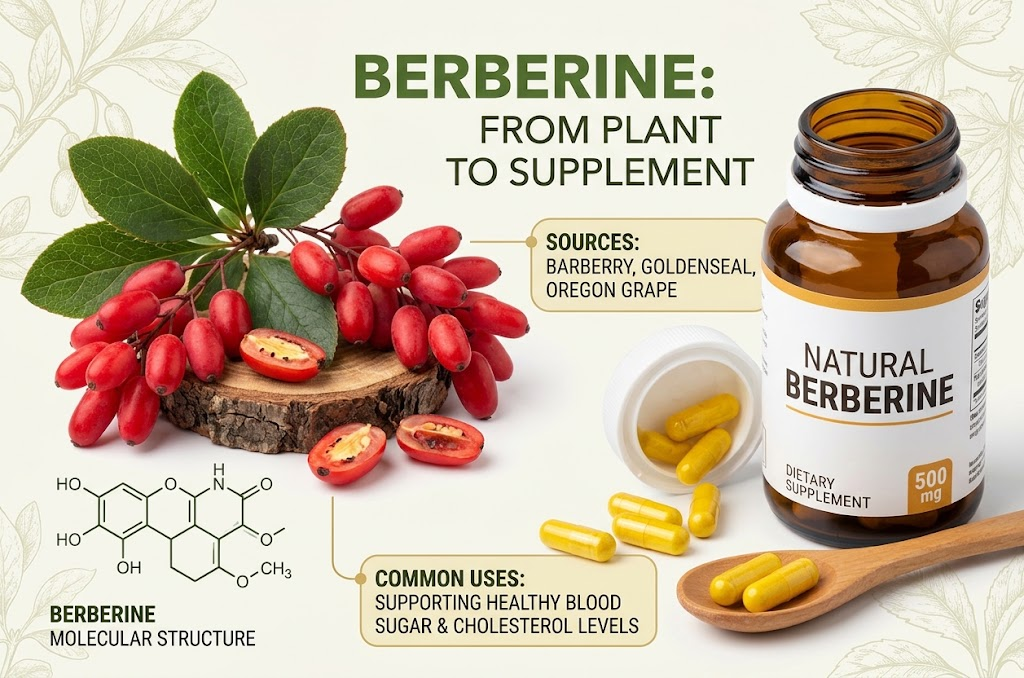
Berberine is a naturally occurring chemical compound extracted from various plants within the Berberis genus, including goldenseal, barberry, and Oregon grape. Available as an over-the-counter dietary supplement in forms such as berberine hydrochloride (HCl), phytosome, and sulfate, it is widely explored for several health applications.
Key Uses & Potential Benefits
Although the FDA has not reviewed berberine for safety or effectiveness and its exact mechanisms remain an area of ongoing research, it is believed to act as an antioxidant. Common reasons individuals use berberine include:
Blood Sugar Management: Commonly taken to support healthy blood sugar levels and assist with diabetes management.
Cholesterol Control: Used with the goal of helping to lower blood cholesterol levels.
Weight Management: Frequently taken as a supplement to support weight loss efforts.
Common Side Effects
Berberine can cause mild to moderate gastrointestinal discomfort, depending on the dosage and individual sensitivity. Typical side effects include:
Nausea and upset stomach
Constipation or diarrhea
Serious Risks & Allergic Reactions
While less frequent, severe allergic reactions can occur. Immediate medical attention is required if you experience symptoms such as breathing difficulties, swelling of the face, lips, throat, or tongue, severe skin rash, hives, or a racing heartbeat.
Crucial Warnings & Precautions
Infants & Children: Berberine is unsafe for infants as it can lead to kernicterus, a serious brain condition caused by elevated bilirubin levels.
Pregnancy & Breastfeeding: Due to potential risks to fetal development and infant safety, berberine should be avoided during pregnancy and while nursing.
Medication Interactions: Berberine can alter how the body metabolizes other drugs. Always consult a healthcare provider before combining berberine with prescription or OTC medications.
More articles
Recent Advances in Dihydroberberine Research: Pharmacokinetics, Mechanisms, and Clinical Potential
The benefits and side effects of berberine supplement
Disclaimer: Berberine is a dietary supplement and is not intended to diagnose, treat, cure, or prevent any disease. Always speak with a healthcare professional before starting any new supplement.
This article was created using several editorial tools, including AI, as part of the process. Human editors reviewed this content before publication.